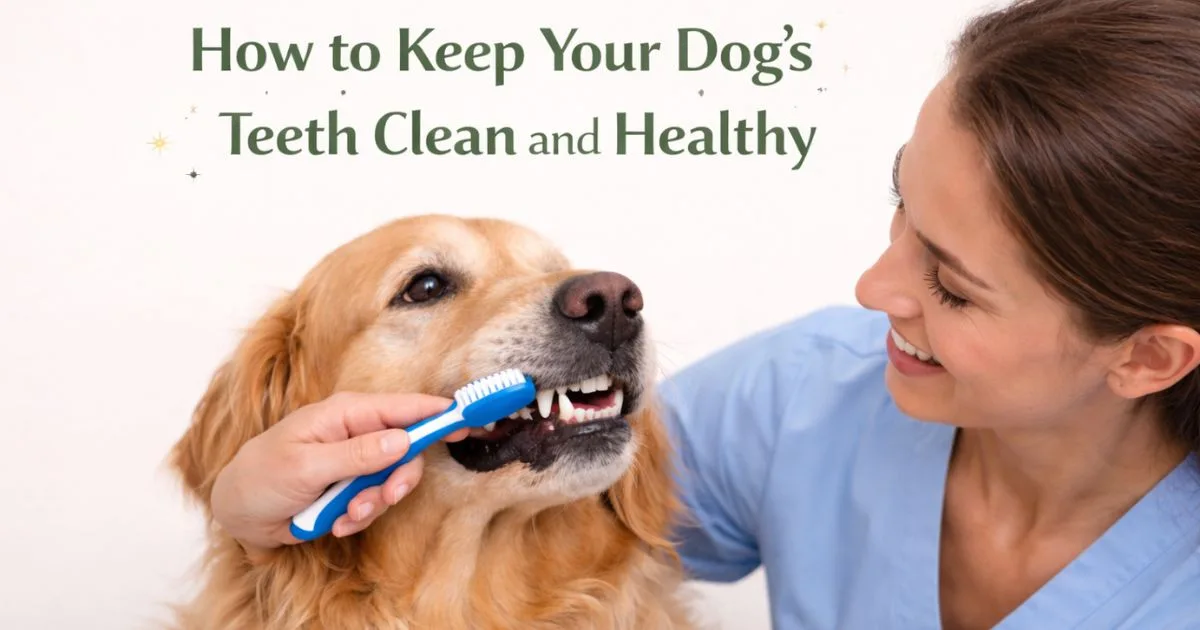
Keeping your dog’s teeth clean and healthy is one of the most important things you can do for their overall well-being. It’s easy to overlook dental care, but poor oral hygiene can lead to serious issues like bad breath, gum disease, and even tooth loss, all of which can affect your dog’s quality of life. The good news? Preventing these problems doesn’t have to be complicated, and it’s easier than you might think to keep your dog’s teeth in top shape.
Imagine your dog with a fresh, bright smile every day—sounds great, right? Maintaining your dog’s dental health isn’t just about brushing their teeth; it’s about creating a simple routine that fits seamlessly into their daily life. With a few dedicated steps and the right tools, you can make dental care a fun, rewarding experience for both you and your dog. In this guide, I’ll walk you through practical, easy-to-follow steps to ensure your dog’s teeth stay clean and healthy, so they can enjoy a lifetime of happy moments and wagging tails! Let’s dive in and make your dog’s dental health a priority today!
Why Is Dental Care So Important for Dogs?
Dental health is one of the most overlooked aspects of pet care, but it plays a critical role in your dog’s health. Without proper oral hygiene, your dog could face a range of issues, including:
- Gum disease: Early signs like bad breath or red, swollen gums could signal gingivitis, an infection of the gums.
- Tooth loss: Plaque turns into tartar, which can lead to painful tooth decay or even tooth loss if untreated.
- Other health risks: Oral bacteria can enter the bloodstream, increasing the risk of heart disease, kidney problems, and liver infections.
Preventing dental disease is far easier and cheaper than treating it, which is why it’s so important to integrate dental care into your regular pet care routine.
Common Care Mistakes
Many dog owners only brush their dog’s teeth occasionally, not realizing that this isn’t enough. Brushing once a week doesn’t cut it when it comes to preventing plaque buildup and keeping gum disease at bay.
Solution: Ideally, aim to brush your dog’s teeth every day or at least 3-4 times a week. You can start with short sessions, gradually increasing the time as your dog gets used to it.
Using Human Toothpaste
Human toothpaste contains fluoride and xylitol, which are harmful to dogs. Even if your dog doesn’t swallow it, it’s still risky.
Solution: Always use toothpaste made specifically for dogs. These come in flavors like peanut butter or chicken, which your dog will love, and they’re safe to swallow.
Ignoring Bad Breath
A little doggie breath is normal, but if it’s foul or rotten, it could be a sign of serious dental issues like gum disease or infected teeth.
Solution: Don’t just cover up bad breath with treats. If your dog’s breath smells foul, it’s time for a dental check-up.
Practical Steps to Keep Your Dog’s Teeth Clean
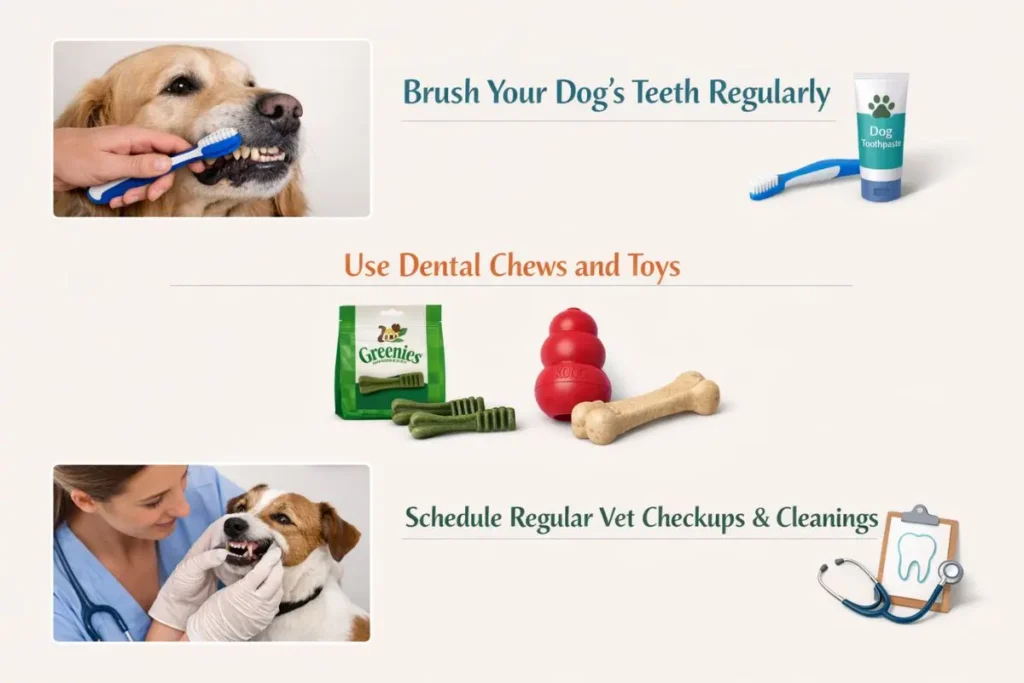
Brush Your Dog’s Teeth Regularly
Brushing is the most effective way to prevent plaque from turning into tartar, which can lead to serious dental issues.
What You’ll Need:
- Soft-bristled dog toothbrush: Fits comfortably in your dog’s mouth.
- Pet-safe toothpaste: Never use human toothpaste, as it can harm your dog.
How to Brush:
- Start slow: Allow your dog to get used to the toothbrush by letting them sniff it and taste the toothpaste.
- Gently lift the lips and brush in circular motions along the gum line, focusing on the back teeth where plaque builds up.
- Reward and praise: After brushing, offer praise or a treat so your dog associates it with something positive.
Pro Tip: If your dog doesn’t enjoy brushing, use a finger brush or dental wipes as a gentler alternative.
Use Dental Chews and Toys
Dental chews and toys are a great way to keep your dog’s teeth clean without much effort. They help break down plaque as your dog chews.
What to Look For:
- Dental chews: Look for products like Greenies or Virbac C.E.T. chews, designed specifically to reduce plaque and tartar.
- Chew toys: Opt for durable rubber or nylon toys like Kong or Nylabone that are designed to clean teeth.
Tip: Choose chews that match your dog’s size and chewing strength. For aggressive chewers, go for extra-durable chews.
Pro Tip: Rotate between different types of dental chews to keep things interesting for your dog.
Schedule Regular Vet Checkups and Cleanings
Even with at-home care, a vet checkup is necessary for a professional assessment of your dog’s teeth.
How Often to Visit:
- Annual checkups: Your vet should perform a dental exam once a year.
- Professional cleanings: If plaque or tartar is too heavy to remove at home, your vet might recommend a cleaning under anesthesia.
Pro Tip: Talk to your vet about the signs of oral health issues, such as tooth sensitivity, excessive drooling, or difficulty eating.
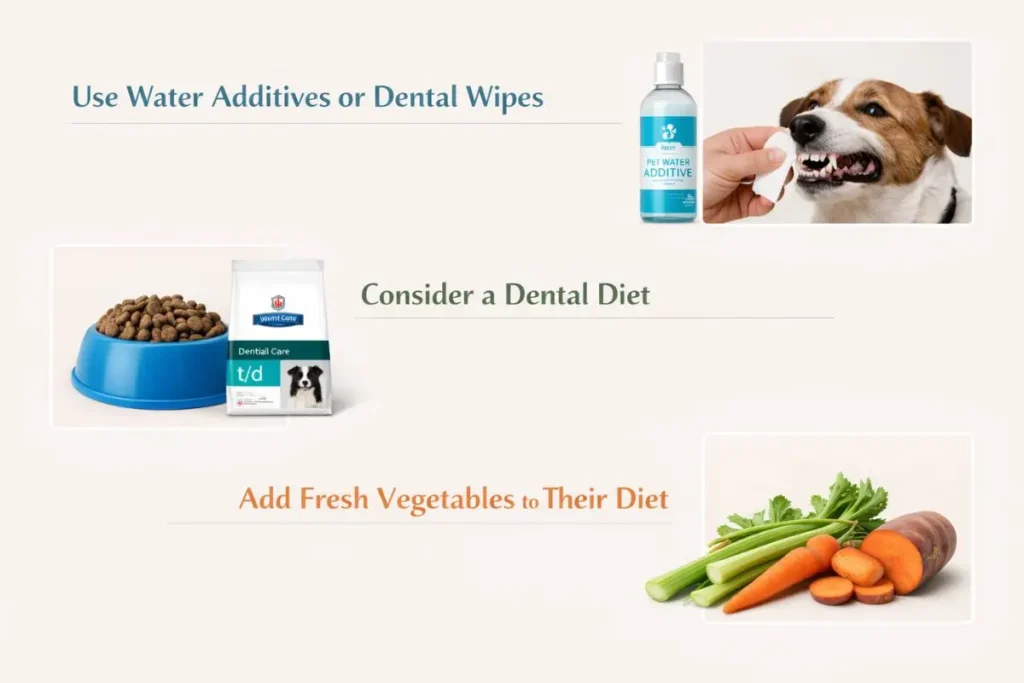
Use Water Additives or Dental Wipes
For dogs who are resistant to brushing, water additives or dental wipes are excellent alternatives.
- Water additives: Simply add these to your dog’s drinking water to help reduce plaque and freshen their breath.
- Dental wipes: A quick and easy way to clean your dog’s teeth, especially for those who aren’t fans of brushing.
Pro Tip: Dental wipes can be a great supplement to brushing or for dogs who need a quick clean between meals.
Consider a Dental Diet
Some special dental diets are formulated to reduce plaque buildup and promote healthier teeth by encouraging more chewing.
What to Look For:
- Dental-specific food: Look for brands with larger kibbles or specific textures that help clean teeth while chewing.
Pro Tip: Ask your vet if a dental diet is suitable for your dog, especially if they have signs of plaque buildup or sensitive teeth.
Add Fresh Vegetables to Their Diet
Some crunchy vegetables can naturally help clean your dog’s teeth. Foods like carrots, celery, and sweet potatoes can be great low-calorie options that promote chewing and help remove plaque.
Why It Works: The fibrous texture of vegetables acts like a natural toothbrush, scraping plaque off your dog’s teeth as they chew.
Pro Tip: Always supervise your dog while they’re chewing vegetables to ensure they don’t accidentally swallow large chunks.
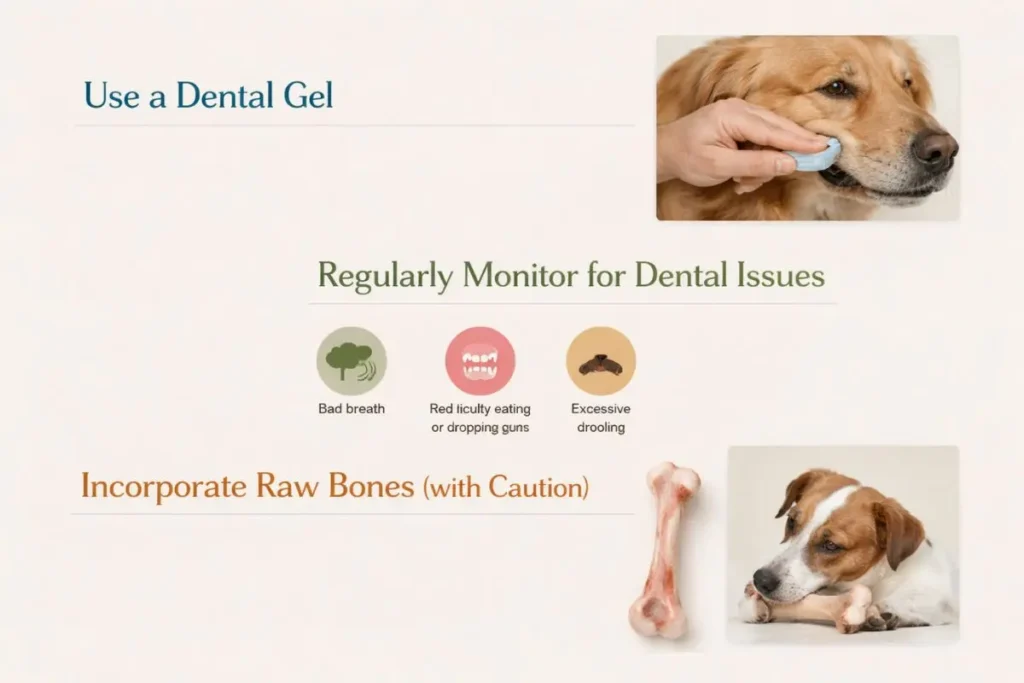
Use a Dental Gel
Dental gels are another easy and effective option to supplement your dog’s dental care routine. These gels are applied directly to your dog’s teeth and help break down plaque and tartar.
What You’ll Need:
- Dog-safe dental gel: Choose a gel that contains enzymes to fight plaque and tartar.
How to Use:
- Apply a small amount of gel to your dog’s teeth and gums, following the product’s instructions.
Pro Tip: Dental gels can be used alongside brushing or as a standalone product if your dog resists tooth brushing.
Regularly Monitor for Dental Issues
Keeping an eye on your dog’s oral health can help you catch problems early, making treatment easier and less expensive.
Signs to Watch For:
- Bad breath: A sign of bacteria buildup or gum disease.
- Red or swollen gums: Indicates gingivitis or early-stage gum disease.
- Difficulty eating or dropping food: Could be a sign of painful or infected teeth.
- Excessive drooling: Often linked to oral discomfort or tooth infection.
Pro Tip: Regularly check your dog’s mouth, lifting their lips to inspect their teeth and gums. The earlier you catch issues, the easier they are to address.
Incorporate Raw Bones (with Caution)
If your dog’s teeth can handle it, raw bones (under supervision) can help clean their teeth and provide them with a satisfying chew experience. They help scrape plaque and tartar as your dog chews on them.
Important Caution: Never give your dog cooked bones, as these can splinter and cause injuries. Always choose bones that are large enough to prevent choking.
Pro Tip: Raw marrow bones or recreational bones are safe and typically more durable. Always supervise your dog while they chew on bones.