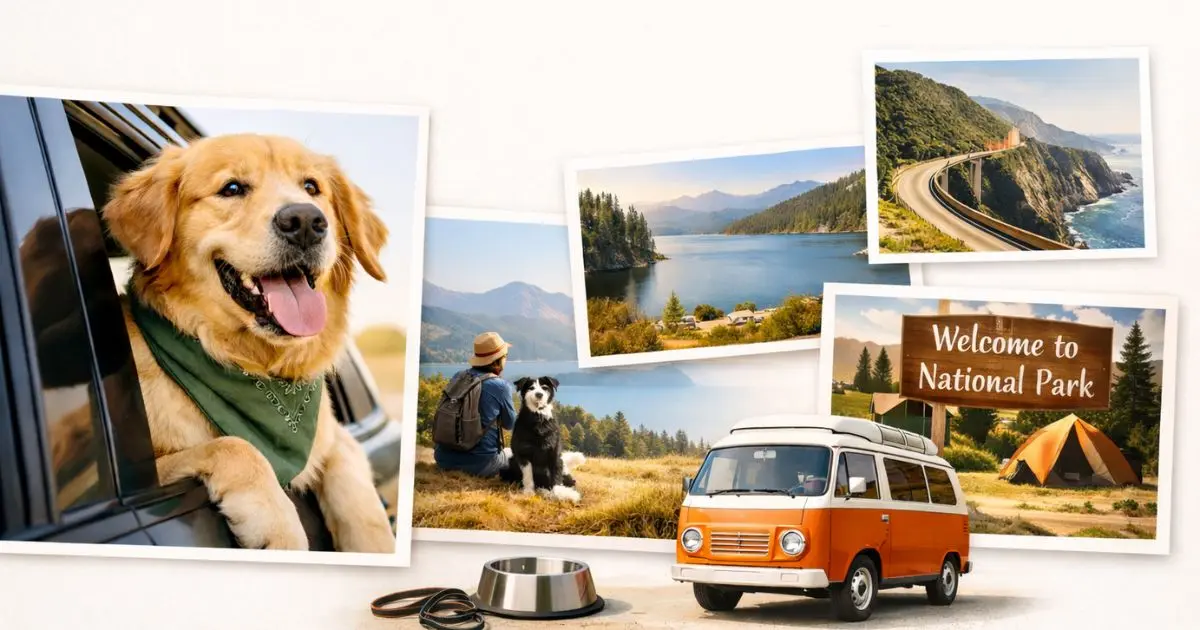
Unforgettable Dog-Friendly Road Trips are the ultimate dream for pet lovers who want to explore the open road without leaving their furry companions behind. For many travelers, planning dog-friendly road trips means finding destinations, routes, and stops that welcome pets and make the journey just as enjoyable for dogs as it is for humans.
From scenic highways and cozy pet-friendly stays to outdoor adventures your pup will love, these experiences create lifelong memories. This guide is designed for pet lovers who believe travel is better with paws in the backseat and tails wagging at every stop along the way.
Common Problems
Motion Sickness
Just like humans, dogs can get motion sick, which can make a long road trip difficult for both you and your dog. If your dog is prone to car sickness, it can result in nausea, drooling, or vomiting, which is unpleasant for everyone.
Separation Anxiety
Dogs can also experience separation anxiety, especially when confined in a vehicle for long periods. They may bark, whine, or even try to escape the car if left alone for too long.
Leash Pulling and Excitable Behavior
When you stop for a break or visit a pet-friendly location, your dog might get excited and start pulling on the leash, making it hard for you to control them. This is especially common in puppies or dogs who aren’t used to long car rides.
Finding Dog-Friendly Stops
One of the biggest challenges during a road trip is finding places where your dog is welcome. You want to explore new locations, but not all parks, restaurants, or attractions are pet friendly.
How to Solve These Common Problems
Preventing Motion Sickness
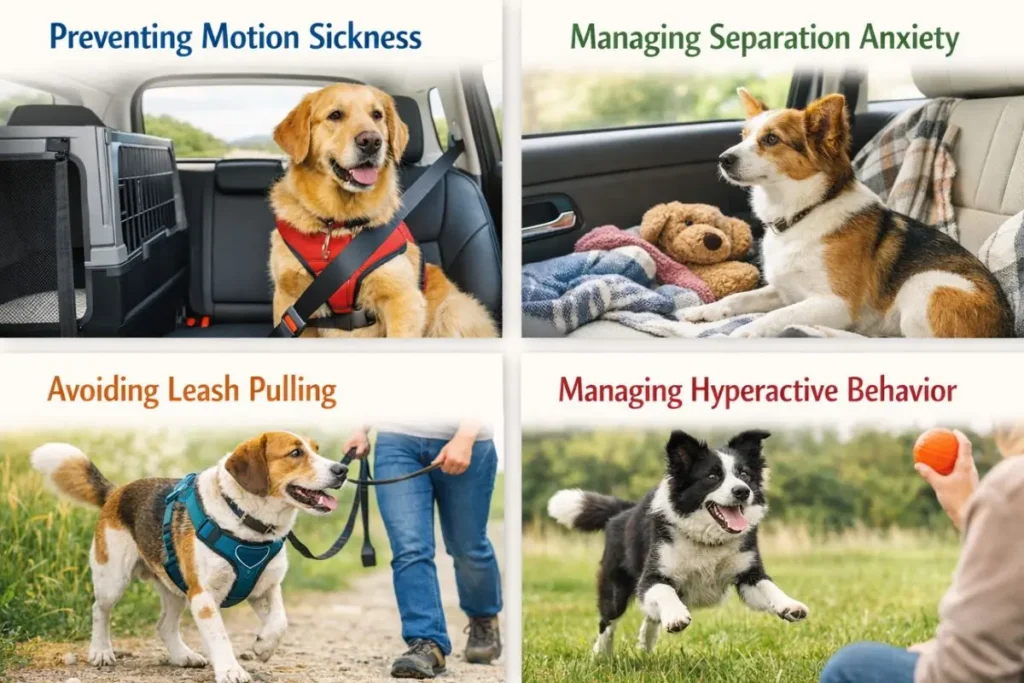
Motion sickness can make your dog uncomfortable and even cause nausea and vomiting during long car rides. To prevent motion sickness, you should gradually accustom your dog to the car. Start with shorter trips and increase the length progressively. This allows your dog to get used to the motion without feeling overwhelmed. It’s important not to feed your dog a heavy meal just before the trip as it can increase the likelihood of nausea. Providing a comfortable space for your dog in the vehicle, such as a travel crate or a pet seat belt, ensures their stability and comfort. If motion sickness persists, consult your vet for anti-nausea medications or other remedies to help your dog feel more at ease during travel.
Managing Separation Anxiety
Separation anxiety occurs when your dog feels stressed or fearful when left alone. This can be a real challenge during long road trips, especially if your dog is used to being with you all the time. The solution is to take frequent breaks—stop every 2 to 3 hours for a walk, bathroom break, or playtime. This gives your dog a chance to release energy and reduces their anxiety. Bring along comforting items like your dog’s favorite blanket, toys, or a piece of your clothing that smells like you. Familiar scents can help your dog feel safer. For more severe cases, you can ask your vet about calming medications or anxiety-relief products like calming vests or pheromone sprays.
Avoiding Leash Pulling
Leash pulling is common when your dog is excited during road trips or outdoor stops. It’s important to train your dog to walk calmly on a leash before the trip. Practice loose-leash walking by keeping the leash relaxed and rewarding your dog with treats or praise when they walk by your side. Consistency is key: regularly reinforce the behavior you want to see. If your dog continues to pull, consider using a no-pull harness or a front-clip leash that helps prevent pulling by redirecting their movement. Regular practice before the trip will ensure they are calmer and easier to manage while on the road or at pit stops.
Managing Hyperactive Behavior
Dogs tend to get excited during travel, especially when they haven’t had much exercise during the journey. This pent-up energy often leads to hyperactive behavior like jumping, barking, or excessive pulling on the leash. To prevent this, make sure to exercise your dog before the trip by taking them for a long walk or play session. During the trip, take frequent breaks for bathroom stops and mini exercise sessions—short walks or games of fetch to burn off energy. If your dog tends to get too excited in the car, try desensitizing them to car rides by taking short trips to fun destinations so they associate the car with positive experiences.
Dealing with Inadequate Bathroom Breaks
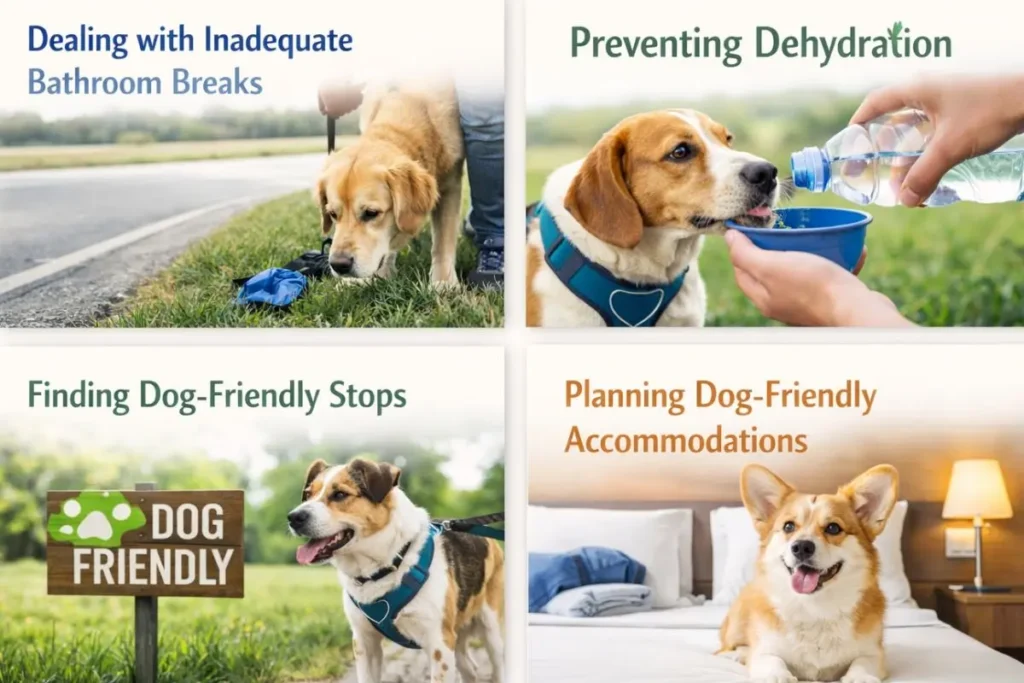
A common mistake dog owners make during road trips is not stopping often enough for bathroom breaks. It’s crucial to plan for regular bathroom stops every 2 to 3 hours. This ensures your dog isn’t uncomfortable or stressed from holding their bladder for too long. Bring waste bags with you so you can clean up after your dog when you stop. For older dogs or those with health conditions, more frequent bathroom breaks may be needed. Always keep an eye on your dog’s behavior—if they seem restless or start sniffing around, it’s a sign they need to go.
Preventing Dehydration
Long car trips, especially during the summer, can lead to dehydration for your dog if you’re not careful. To avoid this, ensure your dog has easy access to fresh water during the trip. Use a spill-proof travel bowl or a dog water bottle designed for travel to make it easy for them to drink while in the car. Stop for water breaks regularly—especially if you’re driving for several hours at a stretch. Hydration is key, so don’t forget to offer your dog water every time you stop. Keep in mind that some dogs may not drink as much while traveling due to nerves, so try offering water at different times during the day.
Finding Dog-Friendly Stops
One of the most common problems dog owners face during a road trip is not knowing where to stop. Many public spaces, parks, and restaurants don’t allow pets, which can be frustrating. To solve this problem, research pet-friendly locations along your route before you leave. Use apps like BringFido or PetFriendly to find parks, beaches, restaurants, and hotels that welcome dogs. You can also check for pet-friendly trails, hiking spots, and nature reserves that allow dogs to explore with you. Call ahead to confirm the pet policies of accommodations and places you plan to visit to avoid last-minute surprises.
Planning Dog-Friendly Accommodations
When traveling with your dog, finding places that will accommodate your pet is a top priority. Avoid the mistake of assuming all hotels or rental homes are pet-friendly. Plan your accommodations in advance by using booking websites that specialize in dog-friendly hotels, like PetHotels.com or Airbnb’s pet-friendly filter. Many major hotel chains like La Quinta or Kimpton Hotels offer rooms that are specifically designed for pet owners. Always check the pet policy—some places may have extra fees for pets, weight limits, or breed restrictions. By researching ahead of time, you can avoid the hassle of finding a place to stay at the last minute.
Must-Visit Dog-Friendly Locations
National Parks
Many national parks are dog-friendly, allowing dogs to enjoy the outdoors with you. Parks like Acadia National Park in Maine and Great Smoky Mountains in Tennessee offer beautiful landscapes and pet-friendly hiking trails.
Pet-Friendly Beaches
For a relaxing day by the water, head to a pet-friendly beach. Locations like Carmel Beach in California or Fort De Soto Park in Florida offer spacious areas where your dog can run free and enjoy the sand.
Dog-Friendly Hotels
Along the way, make sure to book accommodations that welcome pets. Chains like Kimpton Hotels and La Quinta are known for their pet-friendly policies, so you won’t have to worry about your dog staying behind.
Pet-Friendly Trails
If your dog loves hiking, many trails across the country are perfect for pups. The Appalachian Trail and Red Rock Canyon in Nevada both feature dog-friendly paths with stunning views.
Common Mistakes
1: Not Planning for Comfort
Many owners make the mistake of not considering their dog’s comfort. Long periods of sitting in a car or staying in unfamiliar environments can lead to stress.
Fix: Pack comfort items like your dog’s favorite blanket, a portable water bowl, and toys. Also, remember to bring enough food for the journey.
2: Underestimating the Need for Exercise
Dogs need to burn off energy, and long hours of travel can lead to pent-up frustration, which often results in bad behavior.
Fix: Plan for frequent stops to let your dog exercise, even if it’s just for 10-15 minutes at a time. This helps them stay relaxed and well-behaved.
3: Forgetting to Check Pet Policies
Not checking pet policies before booking accommodations or activities can result in disappointment or frustration.
Fix: Always call ahead or check online to ensure the places you’re planning to visit are truly pet-friendly. Some may have restrictions on breed or size, so it’s good to confirm before you arrive.