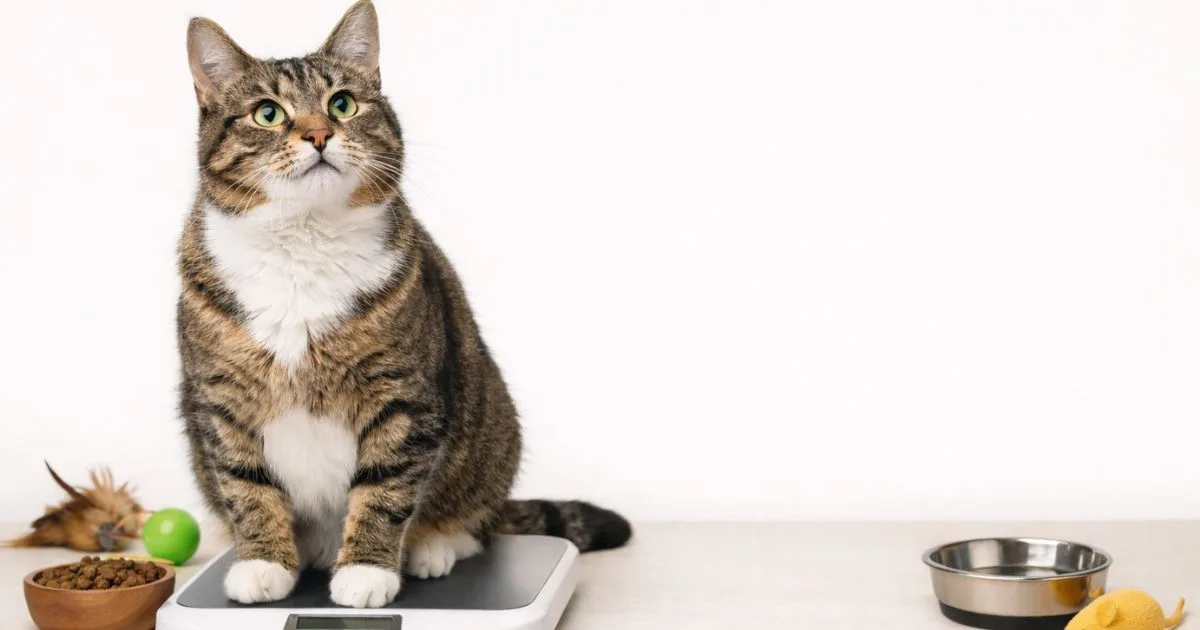
Maintaining a healthy weight for your cat is crucial to their overall well-being and longevity. Cats, like humans, can suffer from obesity, which increases their risk of serious health issues such as diabetes, arthritis, and heart disease. To help your cat maintain a healthy weight, it’s essential to focus on several key factors: providing balanced nutrition, controlling portion sizes, promoting regular physical activity, and monitoring their weight regularly.
Feeding your cat the right amount of high-quality, age-appropriate food will help avoid overfeeding, a leading cause of obesity. Additionally, encouraging daily exercise through interactive play will keep them active and burn off excess calories. Regular vet check-ups and weight monitoring are also important for adjusting their diet and exercise plan to maintain optimal health. By taking these steps, you ensure your cat’s health and well-being while preventing weight-related health issues in the long term.
Why Maintaining a Healthy Weight is Important
Obesity in cats is a growing problem, and it’s not just about appearance—it’s about health. Overweight cats are more likely to develop serious conditions, including heart disease, arthritis, and diabetes. Maintaining a healthy weight helps your cat stay active, reduce stress on their joints, and live a longer, happier life.
But how do you know if your cat is overweight? It’s simple: you should be able to feel your cat’s ribs without pressing too hard, and their waistline should be visible when you look at them from above. If your cat’s weight is outside the ideal range for their breed, it’s time to make some adjustments.
12 Essential Tips Cat Healthy Weight Safely
If your cat is overweight, you’re not alone. Many cat parents are concerned about their cat’s health and want to help them shed a few pounds. However, it’s important to approach weight loss carefully to ensure your cat’s well-being. A gradual, controlled weight loss plan is key to avoiding potential health risks, like liver problems or nutritional deficiencies. Here are 12 safe and effective tips to help your cat lose weight while ensuring they stay happy and healthy.

Consult Your Veterinarian First
Before making any changes to your cat’s diet or exercise routine, always consult with your vet. They will assess your cat’s health and help set a safe weight loss target. Your veterinarian will guide you on the best diet and exercise regimen, and monitor your cat’s progress to avoid any health risks that can come with rapid weight loss.
Measure Portion Sizes
Proper portion control is essential to help your cat lose weight. Instead of free-feeding, measure your cat’s food using a measuring cup. Your vet can guide you on the right amount based on your cat’s weight. Generally, you should aim to feed your cat approximately 20 calories per pound of body weight per day to promote gradual weight loss.
Switch to Weight Control Food
Switching to a weight-control formula designed for cats can help reduce their calorie intake without compromising essential nutrients. These specialized foods often contain higher levels of fiber and protein, which help your cat feel fuller for longer, aiding in weight loss while keeping them satisfied. Be sure to choose high-quality food with balanced ingredients.
Use Low-Calorie Treats
Treats can be a hidden source of excess calories in your cat’s diet. Opt for low-calorie treats, such as freeze-dried chicken or commercial diet treats, to minimize calorie intake. You can also break up regular treats into smaller portions or use a portion of your cat’s daily food as treats. This will help you stay within their calorie limits while still rewarding them.
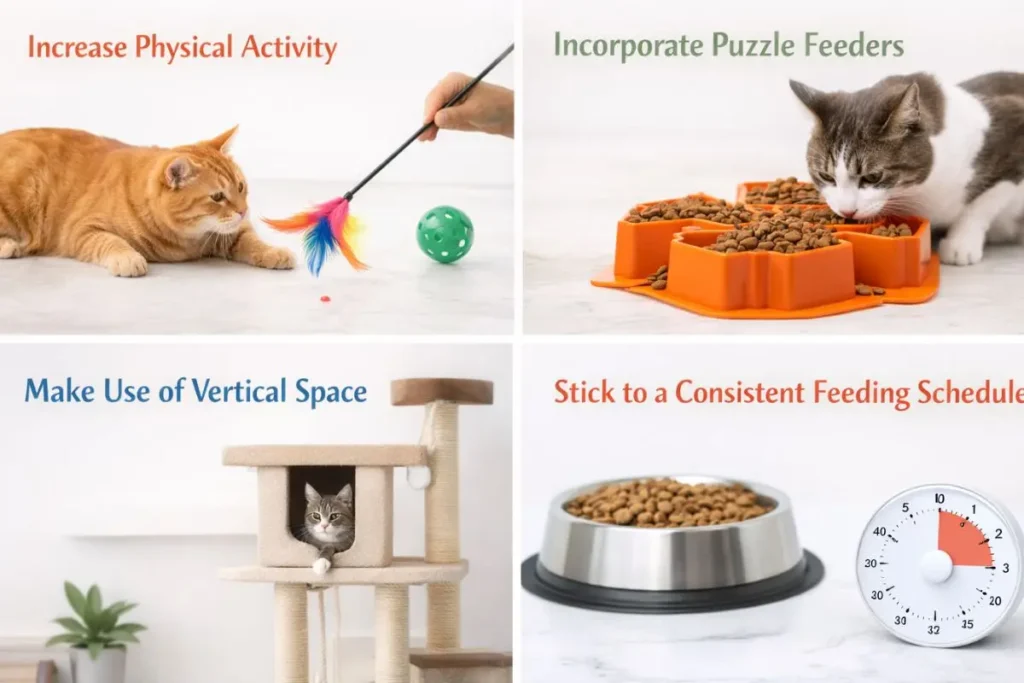
Increase Physical Activity
Encouraging more play and exercise is essential for weight loss. Set aside at least 15-20 minutes per day for interactive play. Use toys like feather wands, balls, and laser pointers to encourage movement. The more active your cat is, the more calories they’ll burn, which can aid in weight loss while keeping them mentally stimulated.
Incorporate Puzzle Feeders
Puzzle feeders are excellent tools to promote both physical and mental exercise. These devices require your cat to work for their food, which can slow down eating, increase activity, and keep them engaged. By making mealtime interactive, puzzle feeders help reduce the chances of overeating while encouraging your cat to stay active.
Make Use of Vertical Space
Cats are natural climbers, so take advantage of that behavior by installing cat trees, shelves, or climbing structures around your home. These vertical spaces provide opportunities for your cat to exercise by jumping and climbing. This helps build muscle strength and burn calories, and it adds a fun and enriching environment for them.
Stick to a Consistent Feeding Schedule
Establishing a regular feeding routine helps regulate your cat’s metabolism and prevents overeating. Instead of leaving food out all day, divide your cat’s daily portion into two or three meals. Consistent meal times help prevent mindless eating and ensure they’re getting the right amount of food without overindulging.
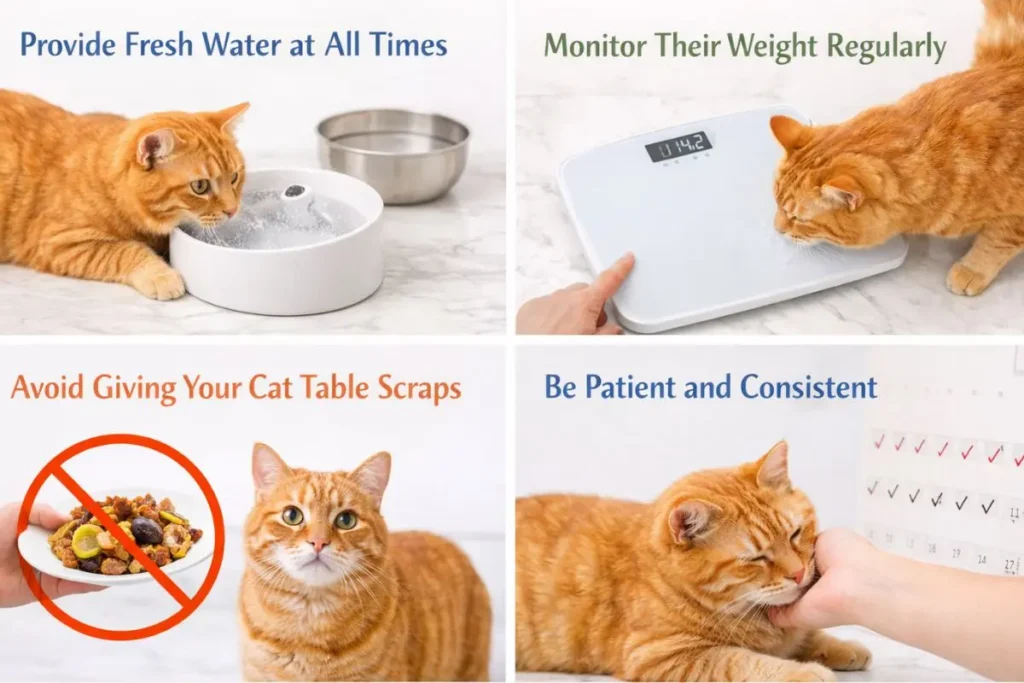
Provide Fresh Water at All Times
Dehydration can often be mistaken for hunger. Ensure your cat always has access to fresh water to help them stay hydrated. You can even encourage water consumption with a pet water fountain, as many cats prefer drinking running water. Proper hydration can also reduce unnecessary snacking.
Monitor Their Weight Regularly
Keep track of your cat’s progress by weighing them every two weeks. Monitoring their weight allows you to see if they are losing weight at a safe pace. Weight loss should be gradual, around 1-2% of their body weight per week, so avoid quick fixes or crash diets, which can harm your cat’s health.
Avoid Giving Your Cat Table Scraps
Human food can be high in fat, salt, and sugar, which are harmful to your cat’s health. Avoid feeding your cat table scraps or leftover human food. Stick to a balanced, nutritionally complete cat food to meet your cat’s specific dietary needs. Occasional lean meats like plain chicken or turkey are fine in small amounts but should never replace regular meals.
Be Patient and Consistent
Weight loss takes time, so be patient and consistent with your efforts. Safe weight loss should happen slowly, aiming for a loss of 1-2% of their body weight per week. This gradual approach helps preserve lean muscle mass and ensures your cat’s overall health is maintained throughout the process.
Common Mistakes
Many well-meaning cat owners unknowingly contribute to their cat’s weight issues. Here are a few common mistakes to watch out for:
Free Feeding
Free feeding, or leaving food out all day, can lead to overeating. Many cats will eat just because food is available, not because they’re hungry. The solution? Scheduled feeding times. Measure your cat’s daily food portion and serve it in two or three small meals a day.
Treats and Table Scraps
While it’s tempting to spoil your cat with treats, too many of them can add unnecessary calories. Avoid feeding your cat human food or offering treats too often. Instead, use low-calorie treats or break up larger treats into smaller pieces.
Not Getting Enough Playtime
Cats need exercise, and if they’re not getting enough, it’s easy for them to pack on the pounds. Interactive playtime helps burn off excess calories while keeping your cat mentally stimulated. Toys like feather wands, laser pointers, and puzzle feeders are great options.