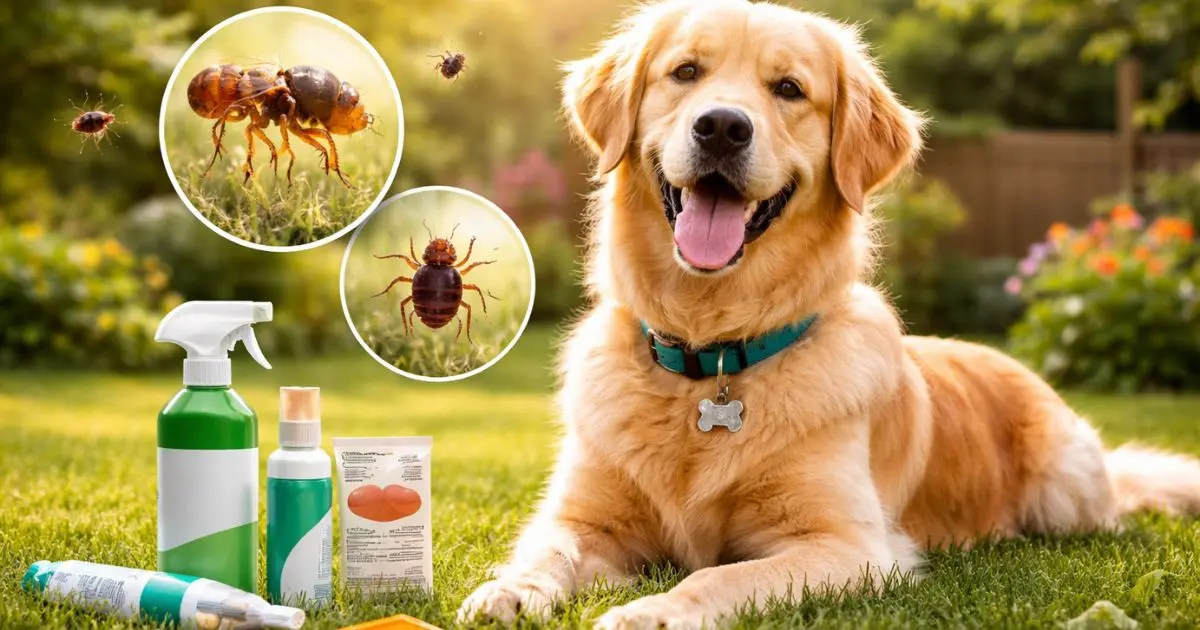
Fleas and ticks are among the most common pests that affect dogs in the USA. These tiny parasites can cause a range of health problems, from skin irritation to serious diseases. In this article, we’ll explore how to protect your dog from fleas and ticks using simple yet effective tips. Whether you live in a warm or cold climate, understanding how to prevent and treat flea and tick infestations is essential for your dog’s well-being.
Why Are Fleas and Ticks Dangerous for Dogs?
Fleas and ticks are more than just uncomfortable for your dog. Fleas can cause itching, skin infections, and even tapeworms, while ticks are known to spread diseases like Lyme disease and Ehrlichiosis. These parasites thrive in warm environments and can be hard to spot before they’ve caused damage.
As a responsible dog parent, it’s essential to take steps to protect your dog and stop these parasites in their tracks.
Understanding Fleas and Ticks
Fleas and ticks are both external parasites, but they are very different in their behavior and effects on your dog. Fleas are tiny, wingless insects that jump from one animal to another. They are most commonly found in your dog’s fur, biting and feeding on their blood. Fleas are very resilient and can live for several weeks on your dog, laying eggs that eventually fall off and hatch in the environment, spreading the problem throughout your home.
In contrast, ticks are arachnids, related to spiders, and they latch onto your dog’s skin to feed on their blood. Unlike fleas, ticks do not jump but attach themselves by burrowing their mouthparts into the skin of your dog. They can stay attached for days or even weeks, gradually expanding in size as they feed. The danger with ticks is their ability to transmit serious diseases through their bites, including Lyme disease, ehrlichiosis, and babesiosis.
Signs Your Dog Has Fleas or Ticks
It’s important to recognize the signs of fleas and ticks early on. If your dog is constantly scratching, biting, or licking their skin, this could be a sign of a flea or tick infestation. Fleas can cause intense itching and irritation, which may lead to hair loss and open sores on your dog’s skin. Ticks, however, are usually harder to spot because they attach to your dog’s skin and can be hidden under fur.
Look out for tiny black or brown specks on your dog’s skin that might move – these are often fleas. On the other hand, ticks are larger and can vary in color. They may appear as small, dark bumps on your dog’s skin, often around the ears, underarms, or in the groin area. If you notice any of these signs, it’s crucial to act quickly to prevent further damage to your dog’s health.

Regularly Check Your Dog for Fleas and Ticks
Step-by-Step Checking Guide:
- Use a Flea Comb: Gently comb through your dog’s fur, especially near the neck, behind the ears, and under the armpits. Fleas are tiny but can often be seen moving around or caught in the comb.
- Check for Ticks: Ticks are often found in areas where the skin folds, such as around the ears, under the legs, or along the belly. They can appear as small, dark bumps, sometimes as large as a peanut.
Common Mistakes:
- Not Checking Regularly: Fleas and ticks can hide, especially in thick coats. Many dog owners forget to check frequently, which can lead to infestations. Make it a habit to check your dog after walks or outdoor play.
Pro Tip:
If your dog has longer fur, you can use a flashlight to help spot ticks more easily. Shine the light through the fur—ticks will often appear as dark specks on the skin.
Use Flea and Tick Preventatives
There are many products available to keep your dog protected from fleas and ticks. Some of the most common options include:
- Topical Treatments: These treatments, like Frontline or Advantage, are applied to your dog’s skin, often between the shoulder blades. They work by killing fleas and ticks on contact.
- Oral Medications: Products like NexGard or Bravecto are pills your dog takes monthly or quarterly. They kill fleas and ticks from the inside out.
- Collars: Flea and tick collars, such as Seresto, release chemicals that kill fleas and ticks and prevent new ones from attaching.
- Shampoos and Sprays: For immediate relief or added protection, flea and tick shampoos and sprays can be useful. They’re great for cleaning your dog’s coat, especially during a flea or tick outbreak.
Common Mistakes:
- Relying on One Method: It’s a good idea to combine preventatives, like using a flea collar with topical treatments, for better protection.
- Not Choosing the Right Product: Some preventatives are designed for specific dog breeds or age groups, so always follow the recommendations on the label or ask your vet for guidance.
Keep Your Dog’s Environment Clean
Fleas and ticks don’t just live on your dog—they can infest your home and yard. To keep them at bay, follow these simple tips:
- Vacuum Regularly: Vacuum your floors, furniture, and carpets frequently to remove any fleas or eggs. Be sure to empty the vacuum bag immediately after.
- Wash Your Dog’s Bedding: Fleas love to hide in bedding, so wash your dog’s bedding regularly in hot water to kill any fleas or larvae.
- Treat the Yard: Ticks live in tall grasses and shrubs. Keep your yard well-trimmed, and consider using flea and tick yard treatments to reduce the risk.
Pro Tip:
Use a flea spray on outdoor areas where your dog likes to spend time. Just be cautious when spraying near plants or flowers, as some chemicals may be harmful to them.

Protect Your Dog from Fleas and Ticks with Regular Grooming
Frequent grooming not only keeps your dog looking great but also allows you to spot fleas or ticks early. Brush your dog’s coat regularly, especially during flea and tick season, to reduce the risk of infestations. If you’re unsure how to properly groom your dog, ask your vet or a professional groomer for tips, especially if your dog has a thick coat prone to hiding pests.
Common Grooming Mistakes:
- Skipping Grooming: Regular grooming is crucial for detecting hidden fleas and ticks. Make it a routine part of your dog’s care.
Consult Your Veterinarian for Expert Guidance
Your vet can recommend the best flea and tick prevention methods based on your dog’s breed, age, and health. For dogs with frequent outdoor exposure or those in tick-prone areas, stronger preventatives may be needed. If you notice any unusual symptoms like fever or joint swelling, contact your vet immediately to check for tick-borne illnesses like Lyme disease.
Limit Outdoor Exposure During High-Risk Times
Fleas and ticks are most active in warmer months but can be present year-round in some areas. To minimize exposure:
- Avoid Areas with Tall Grass and Dense Vegetation
- Keep Your Dog Away from Wildlife like raccoons, deer, and squirrels, which can carry fleas and ticks.
Use Natural Repellents (Optional)
If you prefer a natural approach, essential oils like cedarwood, lavender, and eucalyptus can help repel fleas and ticks. Dilute these oils and apply them to your dog’s coat or add a few drops to their collar. Always consult your vet before using essential oils, as some can be harmful to pets.
Common Mistakes Dog Owners Make
- Not Using Preventatives Year-Round: Many owners stop using preventatives in the winter, but fleas and ticks can be active year-round indoors.
- Not Combining Prevention Methods: Using just one method (e.g., a collar) might not provide full protection. Combine methods for better defense.
- Ignoring Home and Yard Maintenance: Fleas and ticks don’t just live on your dog—they can infest your home and yard, so regular cleaning and treatment are key