As a first-time cat owner, you’re likely filled with excitement and questions about how to best care for your new feline friend. One of the most important aspects of your cat’s health and well-being is ensuring they receive the right vaccines for cats. Vaccinations are crucial for preventing diseases that could severely affect your cat’s quality of life.
You may be asking yourself, “Why are vaccines for cats so crucial, and which vaccines does my cat really need?” In this post, we’ll cover everything you need to know about cat vaccinations, from understanding the core vaccines to recognizing the importance of booster shots. Whether your cat is an indoor or outdoor companion, it’s essential to ensure they are protected from preventable diseases like rabies, Feline Leukemia Virus (FeLV), and calicivirus. By learning about the necessary vaccines for cats, you can make informed decisions to keep your feline friend safe and healthy for years to come.
Why Are Vaccines Important for Cats?
Vaccines are essential in protecting your cat from diseases that can be both life-threatening and easily preventable. Think of vaccines as your cat’s armor against the dangers that exist in the environment, whether they are inside your home or outside. Even indoor cats can be exposed to infectious diseases, which is why vaccination is necessary for all cats, no matter where they live.
Common Diseases Vaccines Protect Against
Several diseases can affect cats, but thankfully, vaccines can keep them safe. Some of the most common ones that vaccines protect against include:
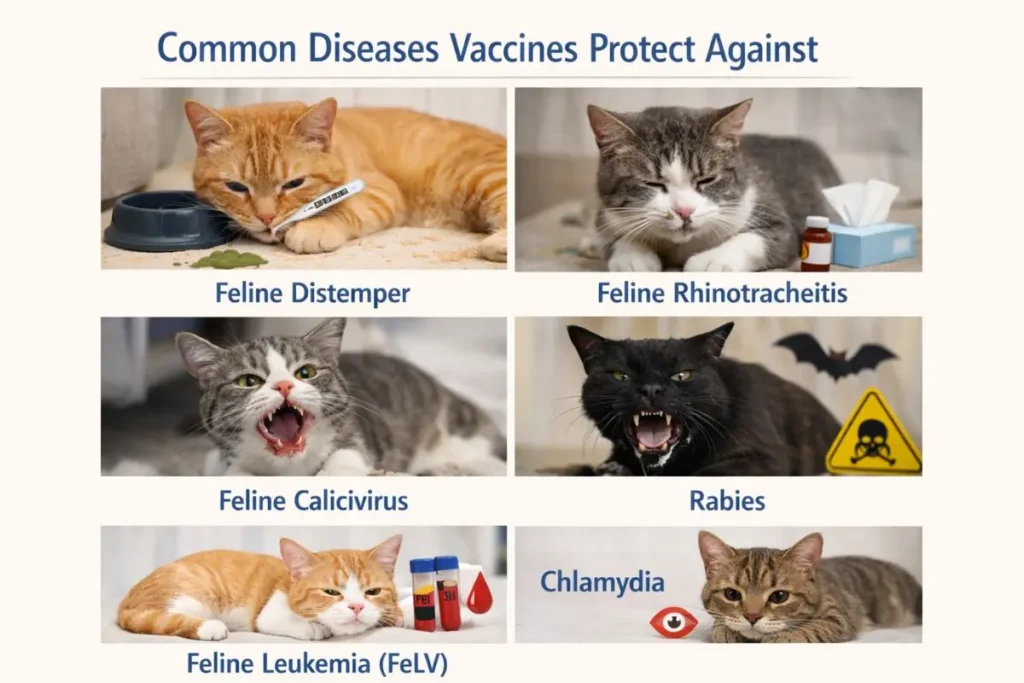
- Feline Distemper (Panleukopenia): A highly contagious viral infection that leads to severe gastrointestinal issues, dehydration, and even death.
- Feline Rhinotracheitis (Herpesvirus): A virus that causes respiratory distress, including sneezing, nasal discharge, and conjunctivitis.
- Feline Calicivirus (FCV): Another respiratory virus that causes similar symptoms as FVR but may also lead to mouth ulcers.
- Rabies: A fatal viral disease affecting the brain, which can also be transmitted to humans. It’s important to note that rabies vaccination is often required by law in many places.
Additionally, there are vaccines for diseases such as Feline Leukemia Virus (FeLV) and Chlamydia, though these are typically recommended for cats at higher risk of exposure.
Essential Vaccines for Your Cat
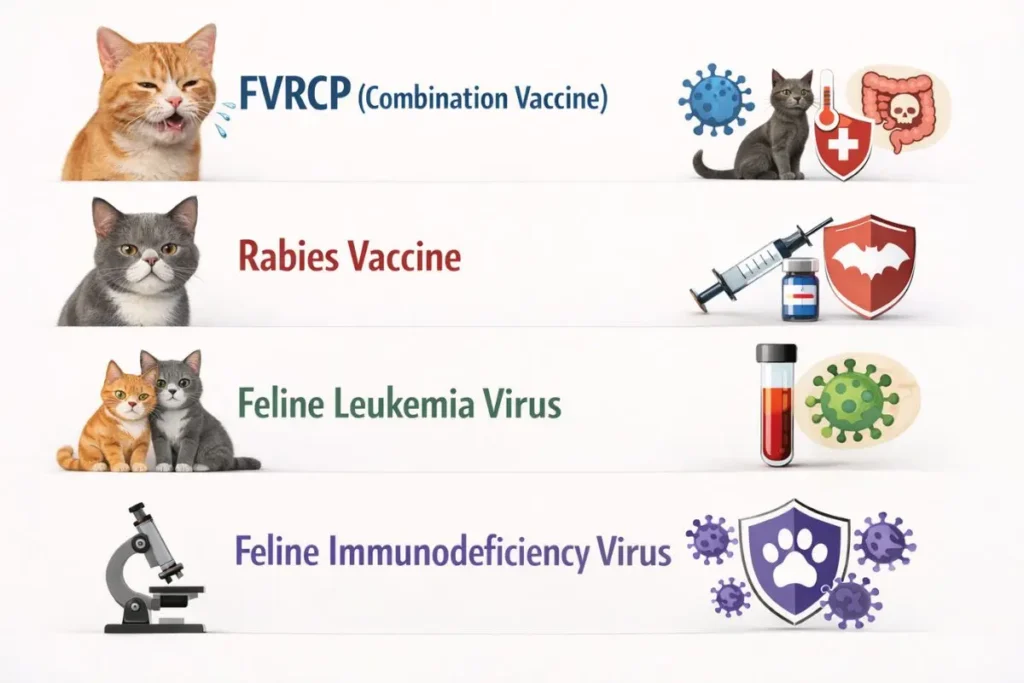
FVRCP (Combination Vaccine)
The FVRCP vaccine is a combination shot that provides protection against three important diseases:
- Feline Viral Rhinotracheitis (FVR): Caused by herpesvirus, this virus affects the respiratory system and leads to symptoms like sneezing, coughing, and nasal discharge.
- Calicivirus: Another virus that causes upper respiratory issues and oral ulcers.
- Panleukopenia (Feline Distemper): A fatal virus that attacks the digestive system and immune system, leading to vomiting, diarrhea, and dehydration.
Rabies Vaccine
The rabies vaccine protects your cat from rabies, a deadly viral infection that affects the central nervous system and can be transmitted to humans and other animals. Rabies is often required by law for cats, especially those who go outdoors.
Feline Leukemia Virus (FeLV) Vaccine
The FeLV vaccine protects against Feline Leukemia Virus, a disease that weakens the immune system, making cats susceptible to other infections and illnesses. FeLV can lead to anemia, cancers, and other life-threatening conditions. It’s particularly important for cats that spend time outdoors or live with other cats.
Feline Immunodeficiency Virus (FIV) Vaccine
The FIV vaccine protects against the Feline Immunodeficiency Virus, which is similar to HIV in humans. FIV suppresses the immune system, leaving infected cats vulnerable to other diseases. The vaccine is often recommended for cats at high risk, such as outdoor cats that might encounter FIV-positive cats.
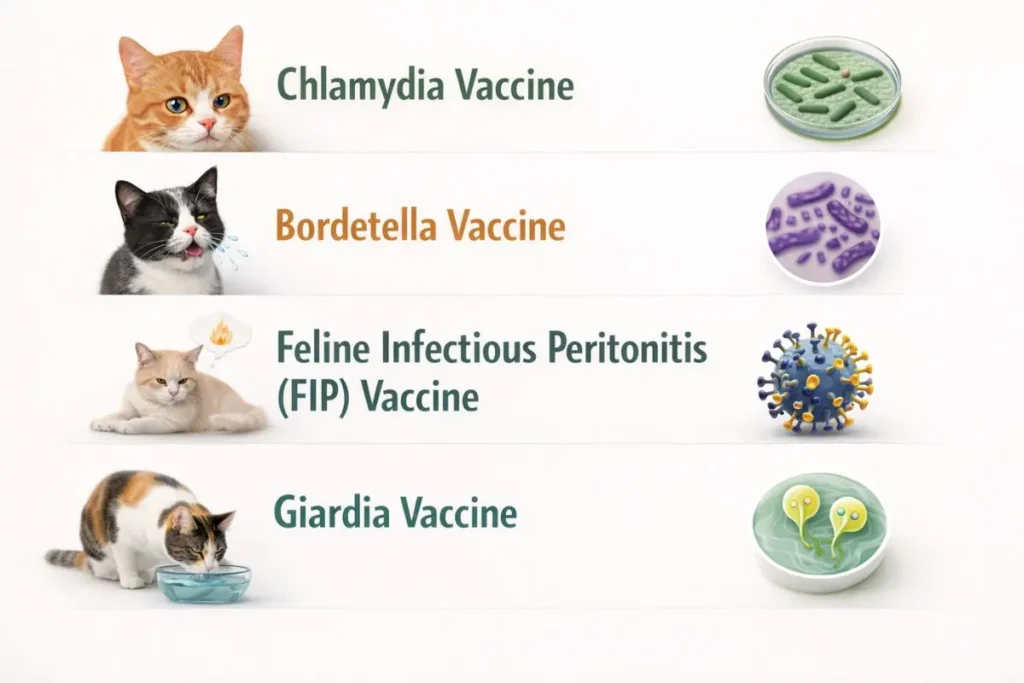
Chlamydia Vaccine
The chlamydia vaccine protects against Chlamydia felis, a bacterial infection that causes conjunctivitis (eye infections), especially in multi-cat households or shelters. This infection can lead to chronic eye problems if untreated.
Bordetella Vaccine
The Bordetella vaccine protects against Bordetella bronchiseptica, a bacterium that causes respiratory infections. Bordetella is a significant pathogen in multi-cat environments like shelters, catteries, or boarding facilities. This vaccine is recommended for cats at high risk of exposure.
Feline Infectious Peritonitis (FIP) Vaccine
The FIP vaccine is used to protect against Feline Infectious Peritonitis, a viral disease that can affect the internal organs and is typically fatal. This vaccine is recommended for cats in high-risk environments or those with weakened immune systems.
Giardia Vaccine
The Giardia vaccine helps protect cats from Giardia, a protozoan parasite that affects the gastrointestinal system, causing symptoms like diarrhea, vomiting, and dehydration. Cats that drink from unclean water sources or have access to contaminated environments may benefit from this vaccine.
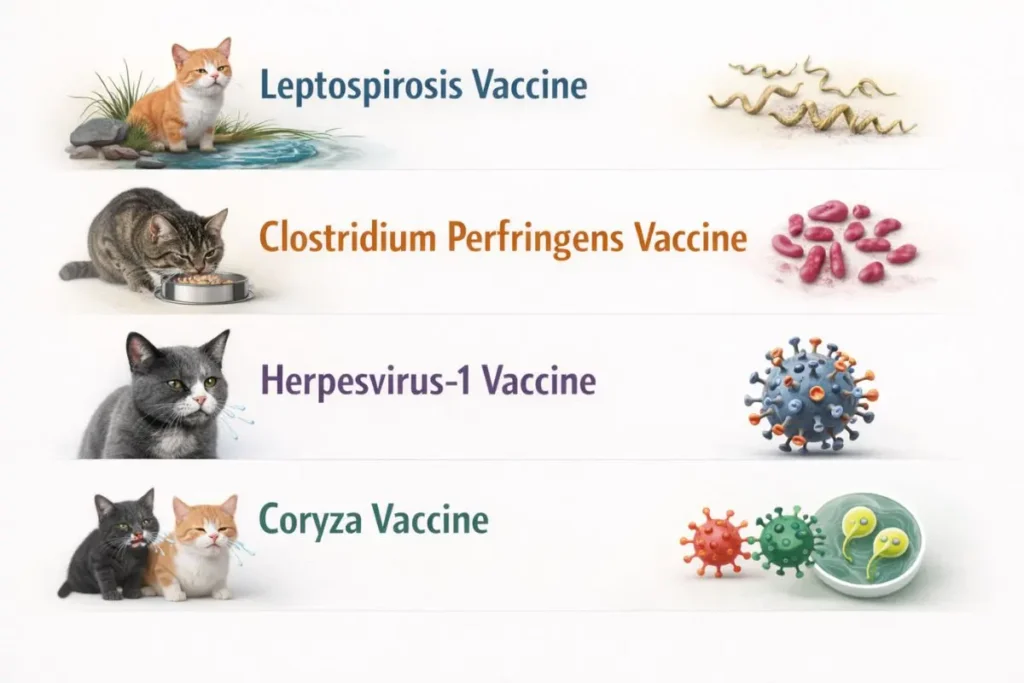
Leptospirosis Vaccine
Though more commonly associated with dogs, some vets recommend the Leptospirosis vaccine for cats that are exposed to wildlife or environments with standing water. Leptospirosis is a bacterial infection that can affect the liver and kidneys, and in rare cases, it can be transmitted to humans.
Clostridium Perfringens Vaccine
The Clostridium perfringens vaccine protects against Clostridium perfringens, a bacteria that causes gastrointestinal infections. This vaccine is generally reserved for cats at risk of exposure to contaminated food or water, as well as those with chronic gastrointestinal issues.
Herpesvirus-1 Vaccine
Though included in the FVRCP vaccine, the Herpesvirus-1 vaccine specifically targets Feline Viral Rhinotracheitis (FVR). FVR is a respiratory virus that causes sneezing, nasal discharge, and conjunctivitis. This vaccine is especially helpful for cats in high-stress environments such as shelters.
Coryza Vaccine
The Coryza vaccine helps protect cats from upper respiratory diseases, often caused by multiple pathogens such as Bordetella bronchiseptica, Mycoplasma felis, and Calicivirus. It is particularly beneficial in multi-cat households or environments like shelters or catteries, where respiratory infections can spread rapidly.
Now that you understand the importance of vaccines, let’s go over the ones your cat absolutely needs to stay healthy. There are core vaccines that all cats need, regardless of whether they are indoor or outdoor pets.
Common Mistakes
When it comes to vaccines, even well-meaning owners sometimes make mistakes that can put their cat’s health at risk. Here are some common missteps and how to avoid them:
Delaying the First Set of Shots
Many new cat owners mistakenly believe their kitten or adult cat doesn’t need vaccines right away. However, kittens are highly vulnerable to diseases, and delaying their first shots leaves them unprotected during a critical period. Always begin vaccinations as early as possible, typically starting with the first round at 6-8 weeks old.
Forgetting to Schedule Boosters
Vaccines don’t last forever. If you fail to get booster shots on time, your cat could lose the immunity provided by the initial vaccination. Make sure to set reminders for booster appointments, especially after the first round of vaccinations.
Not Vaccinating Indoor Cats
Even if your cat is strictly indoors, they still need vaccinations. Outdoor cats may have a higher risk, but diseases like rabies, calicivirus, and feline herpesvirus can still spread indoors. For your cat’s safety, stick to core vaccines such as FVRCP and rabies, even if they never leave the house.
Overlooking the Vet’s Recommendations
Every cat is different. Based on your cat’s health, lifestyle, and environment, your vet may recommend additional vaccines like FeLV or Bordetella. Always discuss your cat’s specific needs with your vet during their wellness visits.
How to Ensure Your Cat Stays Protected
To keep your cat safe and healthy, here’s what you need to do:
- Start Early: Begin vaccinations as soon as your kitten is 6-8 weeks old. Don’t delay, as the first set of shots provides essential protection against dangerous diseases.
- Stick to the Schedule: Vaccinations usually require a series of shots, followed by periodic boosters every 1-3 years. Keep track of your cat’s vaccine schedule and make sure they receive their boosters on time.
- Consult Your Vet: Your vet knows your cat’s health history and lifestyle, so ask for personalized vaccine recommendations. This is especially important for high-risk cats that may need additional vaccines.
- Keep Your Cat’s Health in Check: Monitor your cat for side effects after vaccines, such as slight lethargy or mild fever. These are normal reactions, but contact your vet if anything seems out of the ordinary.
- Practice Good Hygiene: Clean your cat’s litter box, toys, and bedding regularly to reduce the chance of infection, especially if you have multiple cats or live in a high-risk area.