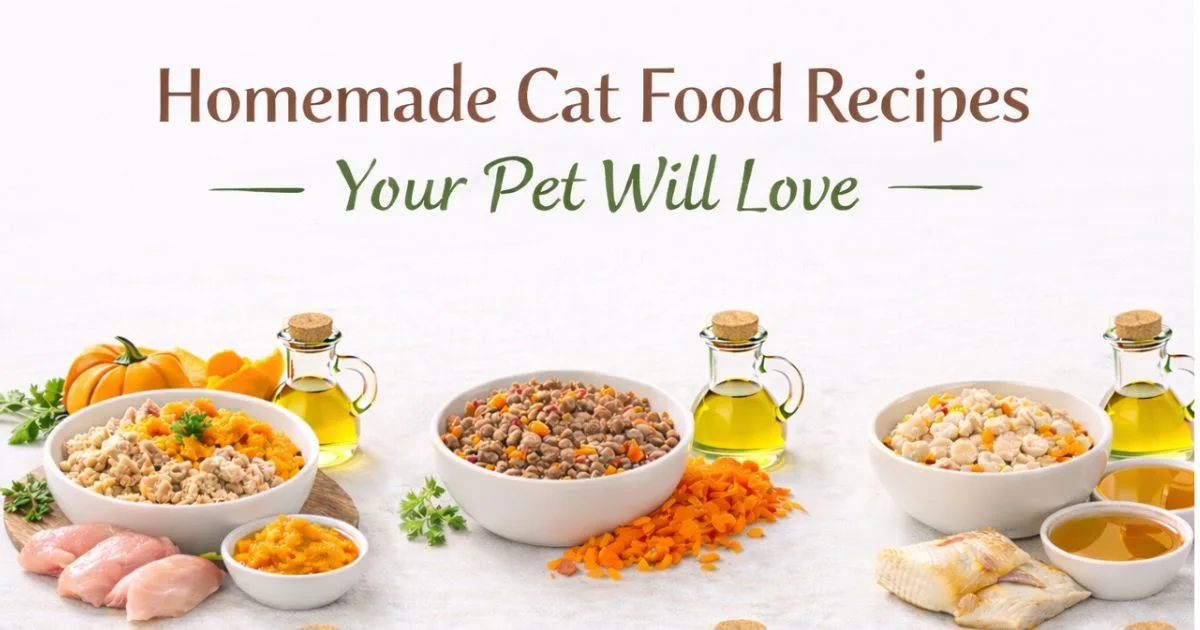
As a cat owner, you want to ensure that your pet gets the best possible cat food for optimal health and well-being, but sometimes store-bought food doesn’t cut it. Whether your cat is a picky eater, has food allergies, or you simply want to offer them fresher, more natural options, homemade cat food might be the perfect solution. Unlike commercial pet food, homemade food for cats gives you complete control over the ingredients, ensuring you’re providing the highest-quality nutrients.
Many commercial foods contain preservatives and fillers, but with homemade meals, you can focus on nutritious cat food made with fresh, wholesome ingredients. In this article, we’ll guide you through several homemade cat food recipes, explain the essential ingredients for a balanced diet, highlight common mistakes to avoid, and share tips for transitioning your cat smoothly to a healthier, homemade diet.
Why Homemade Cat Food?
Homemade cat food offers multiple benefits, which makes it an attractive option for many cat owners:
- Control Over Ingredients: When you prepare homemade food, you know exactly what your cat is eating. There are no preservatives, artificial colors, or hidden fillers like those often found in commercial cat foods.
- Better Nutrition: Cats are obligate carnivores, meaning they require animal-based protein. Homemade meals allow you to give your cat high-quality, fresh ingredients.
- Customization: If your cat has any food sensitivities or health conditions, you can tailor their diet specifically to address those needs.
Essential Ingredients for Homemade Cat Food
Before we dive into the recipes, let’s cover some basics. Cats have specific dietary needs, and it’s important to know what goes into their meals.
Key Nutrients for Cats:
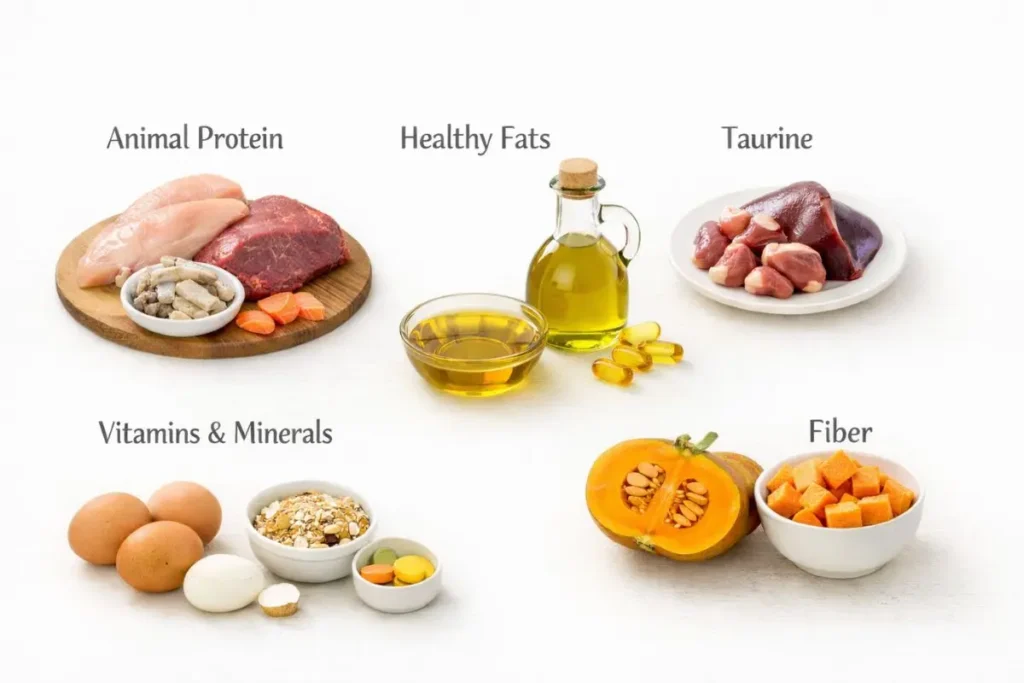
- Animal Protein: Cats require animal-based proteins (chicken, turkey, fish, etc.) for muscle maintenance and overall health.
- Healthy Fats: Fat is an essential energy source for cats, and it’s necessary for maintaining healthy skin and a shiny coat.
- Taurine: An amino acid found in meat, taurine is vital for heart and eye health. It’s often added in commercial cat food, but when making homemade food, be sure you’re using meat that provides this amino acid.
- Vitamins & Minerals: Cats need a variety of vitamins and minerals, such as calcium, vitamin A, and vitamin B. You can often meet these needs through the proper meats and organ meats.
- Fiber: While cats don’t need much fiber, it can aid digestion and prevent constipation. Sources like pumpkin and sweet potatoes are ideal.
Things You Might Forget:
- Water: Cats often don’t drink enough water, which can lead to urinary tract issues. When preparing homemade meals, adding a bit of broth or water can help ensure your cat stays hydrated.
- Supplements: Homemade food often lacks specific nutrients like taurine, calcium, and omega-3 fatty acids. Depending on your recipe, you may need to supplement these.
Easy Homemade Cat Food Recipes
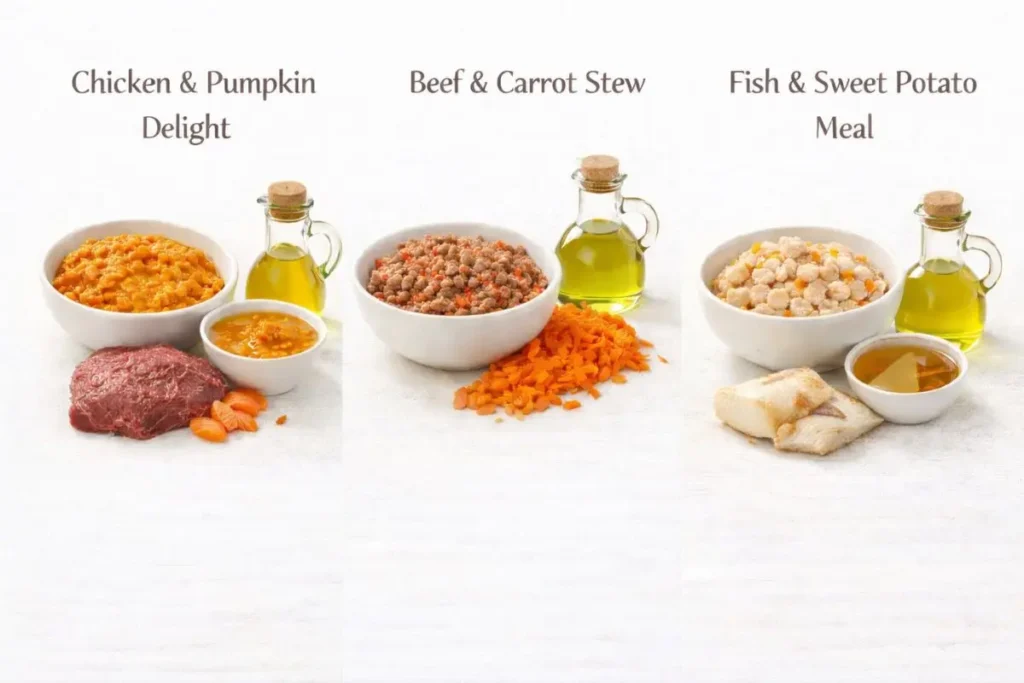
Chicken & Pumpkin Delight
A classic combination of lean protein and fiber-rich pumpkin.
Ingredients:
- 1 cup ground chicken (or turkey)
- 1/4 cup pureed pumpkin (unsweetened)
- 1 tablespoon low-sodium chicken broth
- 1 teaspoon fish oil (optional)
Instructions:
- Cook the ground chicken in a pan until browned and fully cooked.
- Stir in the pumpkin and chicken broth until mixed well.
- Allow it to cool to room temperature before serving.
- Optionally, add fish oil for omega-3 fatty acids.
Beef & Carrot Stew
Beef is an excellent source of protein and iron, while carrots offer fiber for healthy digestion.
Ingredients:
- 1 cup lean ground beef
- 1/4 cup grated carrots
- 1/4 cup water or low-sodium beef broth
- 1 teaspoon olive oil
Instructions:
- Brown the ground beef in a pan.
- Add grated carrots and beef broth, simmer for 10 minutes.
- Stir in the olive oil for extra healthy fats.
- Let it cool before serving.
Fish & Sweet Potato Meal
Packed with omega-3 fatty acids, this recipe is perfect for maintaining a healthy coat.
Ingredients:
- 1/2 cup cooked white fish (cod or tilapia)
- 1/4 cup mashed sweet potato
- 1 tablespoon olive oil
Instructions:
- Cook the fish thoroughly and break it into small pieces.
- Mash the sweet potato and combine it with the fish.
- Stir in the olive oil.
- Let it cool before serving.
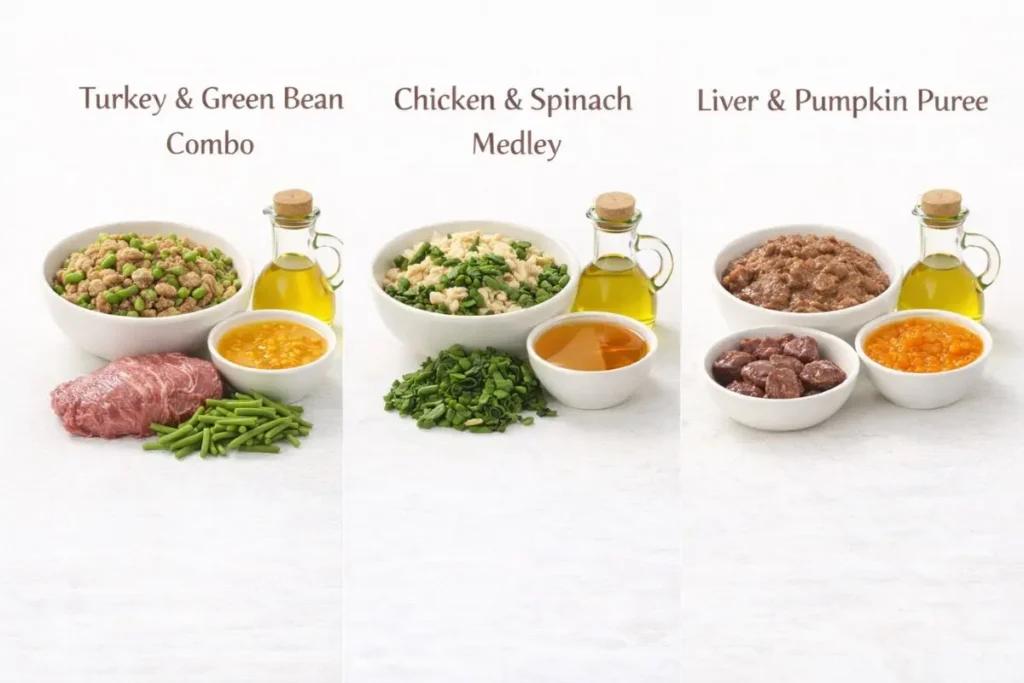
Turkey & Green Bean Combo
This recipe offers lean protein from turkey and fiber from green beans, great for weight control.
Ingredients:
- 1 cup ground turkey
- 1/4 cup chopped green beans (steamed)
- 1 tablespoon chicken broth (low sodium)
Instructions:
- Cook the turkey until browned.
- Add the chopped green beans and broth, and simmer for 5 minutes.
- Let the mixture cool and serve.
Chicken & Spinach Medley
Spinach is a great source of vitamins and minerals, and this recipe is easy to digest.
Ingredients:
- 1 cup cooked, shredded chicken
- 1/4 cup cooked spinach (finely chopped)
- 1 tablespoon chicken broth (low sodium)
- 1 teaspoon olive oil
Instructions:
- Shred the chicken and chop the spinach.
- Mix the chicken, spinach, and broth.
- Stir in the olive oil.
- Let it cool to room temperature before serving.
Liver & Pumpkin Puree
Liver is rich in essential vitamins, and pumpkin aids in digestion.
Ingredients:
- 1/2 cup cooked chicken liver
- 1/4 cup pureed pumpkin
- 1 tablespoon olive oil
Instructions:
- Cook the liver and blend it into a smooth paste.
- Mix the liver with pureed pumpkin.
- Add the olive oil and stir until well combined.
- Allow it to cool before serving.
Chicken & Rice Smoothie
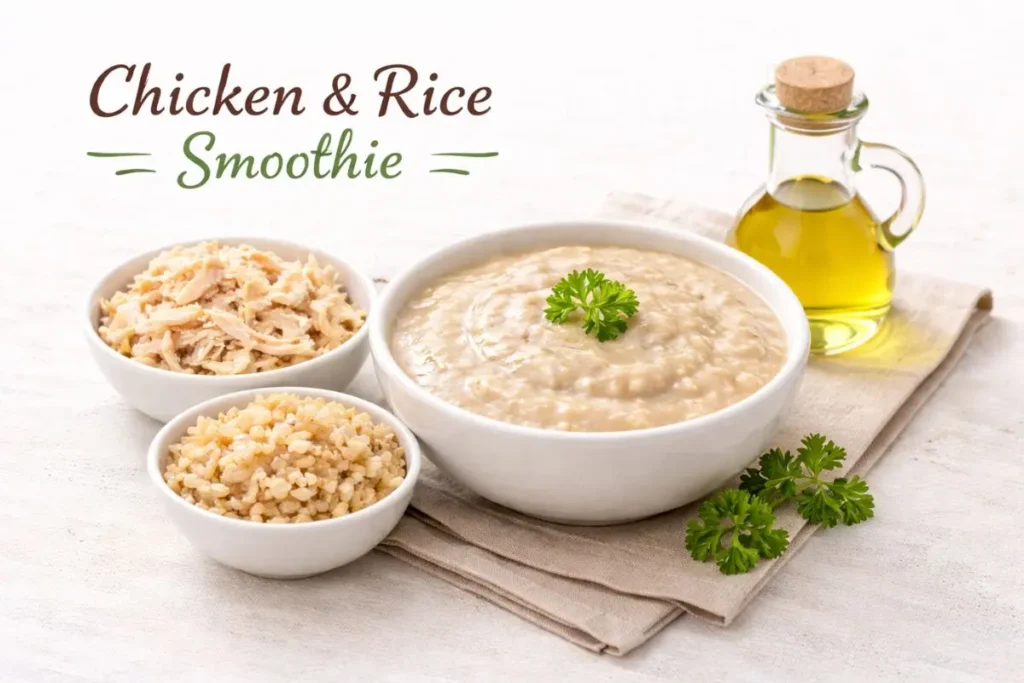
This is a simple recipe, great for sensitive stomachs.
Ingredients:
- 1/2 cup cooked chicken (shredded)
- 1/4 cup cooked rice (preferably brown)
- 1 tablespoon chicken broth (low sodium)
Instructions:
- Blend the chicken and rice in a food processor.
- Gradually add chicken broth to achieve a smooth texture.
- Serve once cooled.
Common Mistakes
While preparing homemade food can be beneficial, there are some common pitfalls that many cat owners face:
Lack of Nutritional Balance
Homemade food can sometimes lack the proper balance of protein, fat, and vitamins. Cats need specific nutrients like taurine and calcium, which may be missing from your recipe.
Solution: Consult your vet to ensure you’re meeting your cat’s nutritional needs, and consider adding supplements where necessary.
Not Preparing Enough Variety
Cats can get bored with the same food every day. A lack of variety can also lead to nutrient imbalances.
Solution: Rotate proteins (chicken, turkey, fish) and vegetables (pumpkin, carrots, green beans) to ensure a balanced diet.
Overfeeding or Underfeeding
It’s easy to misjudge portion sizes. Overfeeding can lead to obesity, while underfeeding can cause malnutrition.
Solution: Monitor your cat’s weight regularly and adjust portion sizes accordingly. You can ask your vet for a proper feeding guide based on your cat’s weight, age, and activity level.
Ignoring Hydration
Cats can be prone to urinary issues if they don’t drink enough water, especially if their diet consists mostly of dry food.
Solution: Add a little bit of broth or water to homemade meals to help your cat stay hydrated.
Transitioning Your Cat to Homemade Food
Switching to homemade food requires patience, as cats can be creatures of habit. Here’s how to make the transition smoother:
- Start Slow: Gradually mix homemade food with your cat’s current food, increasing the proportion of homemade food over 1–2 weeks.
- Watch for Reactions: Keep an eye out for any signs of food sensitivities, such as diarrhea or vomiting. If this happens, consult your vet to adjust the recipe.
- Maintain Consistency: Cats thrive on routine, so try to serve their meals at the same time every day.