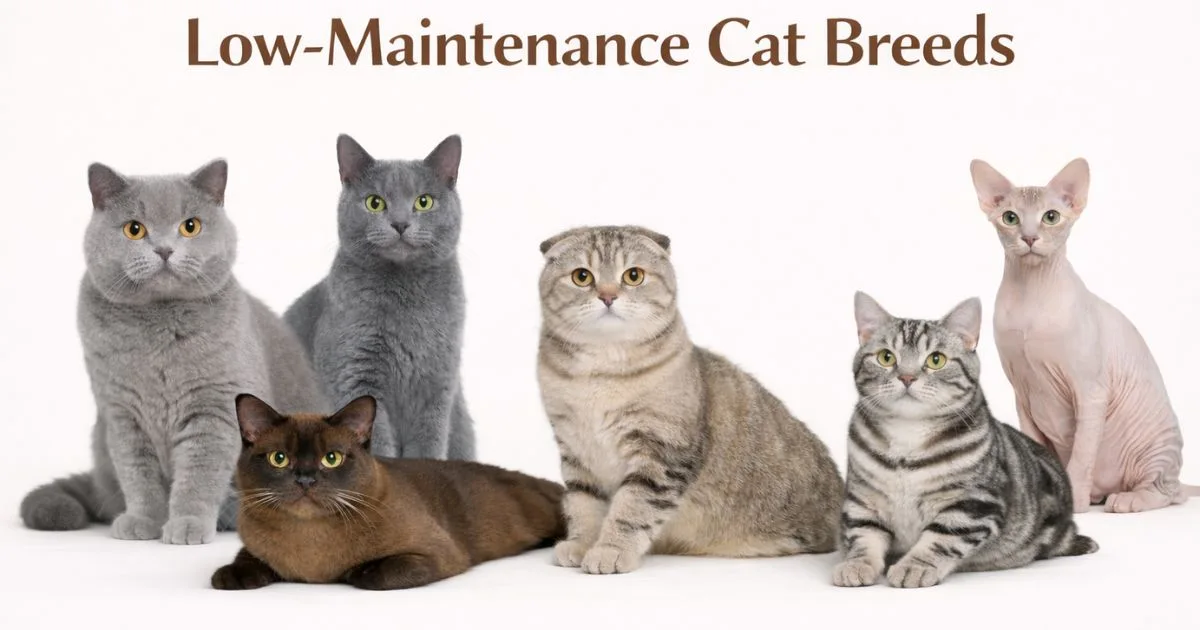
Adopting a cat for the first time can be a delightful experience, but it can also come with challenges, especially when it comes to maintenance. If you’re looking for a low-maintenance cat breed that’s easy to care for and doesn’t require frequent grooming, regular health checks, or constant attention, you’re in the right place. In this article, we’ll explore the top 10 low-maintenance cat breeds that are perfect for first-time cat owners. These cats are not only known for their easy-going nature but also for their minimal grooming needs and low-maintenance care routines, making them the perfect companions for those new to the world of cat ownership.
Whether you’re concerned about shedding, grooming, or simply don’t have the time for a high-energy cat, these breeds offer a stress-free solution. We’ll dive into the unique traits of each breed, along with helpful care tips that will make your transition into pet ownership smoother. Let’s explore which low-maintenance cat breed could be the perfect fit for your lifestyle!
What Makes a Cat Low-Maintenance?
Before we get into the specific breeds, it’s important to know what makes a cat “low-maintenance.” Here are the key characteristics:
- Low grooming needs: Cats with short or low-shedding coats require less frequent brushing.
- Independent personalities: Some cats are content being alone for periods and don’t require constant attention or supervision.
- Healthy and robust: Low-maintenance cats typically have fewer health issues, making veterinary visits less frequent.
- Calm temperament: These cats adapt well to different environments and are usually well-behaved with minimal training.
Now that you understand the traits of low-maintenance cats, let’s explore the breeds that embody these characteristics.
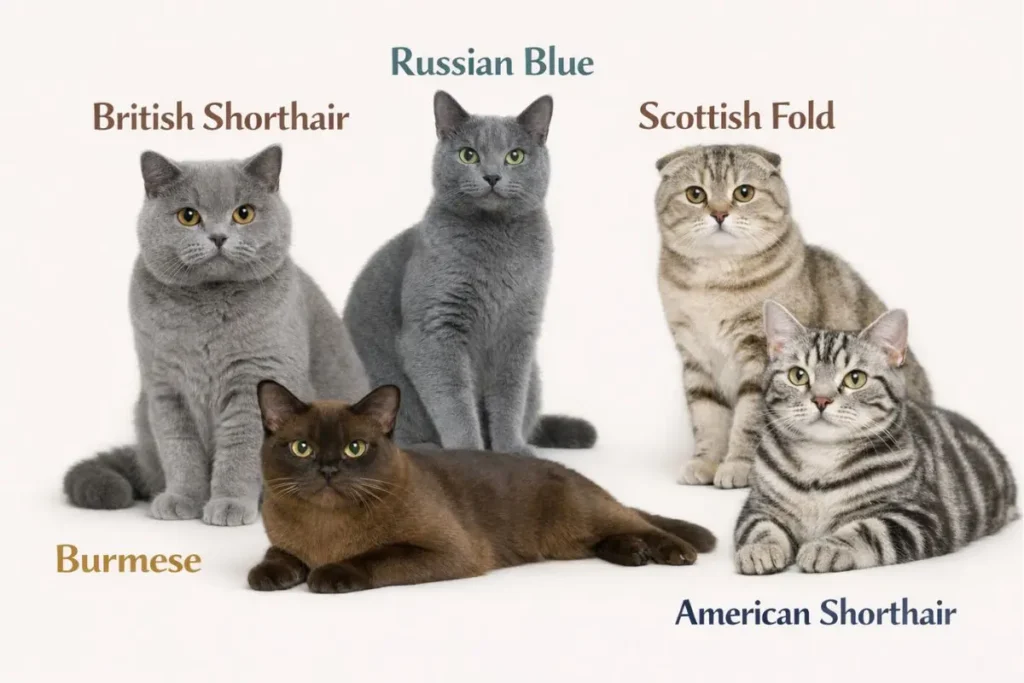
British Shorthair
Why They’re Great for First-Time Owners: British Shorthairs are easy-going, calm, and affectionate but not overly demanding. Their short, plush coats require minimal grooming, making them ideal for first-time cat owners.
What to Expect: These cats are independent but affectionate. They can handle being alone for long hours, making them perfect for owners with busy schedules. Their calm demeanor ensures they won’t create too much chaos in your home.
Care Tips:
- Grooming: Once a week brushing should suffice to maintain their coat.
- Health: British Shorthairs are generally healthy but should still have regular vet check-ups.
Russian Blue
Why They’re Great for First-Time Owners: Russian Blues are friendly, quiet, and easy to care for. Known for their stunning gray-blue coats and emerald green eyes, they are low-maintenance in terms of grooming and health.
What to Expect: Russian Blues are independent, intelligent, and can entertain themselves. While they enjoy affection, they are not overly needy, making them ideal for first-time cat owners who might be away from home during the day.
Care Tips:
- Grooming: Their short fur requires just a weekly brushing.
- Health: They are generally healthy and have few genetic health problems, but don’t skip regular vet visits.
Scottish Fold
Why They’re Great for First-Time Owners: The Scottish Fold’s unique folded ears make them one of the most adorable breeds, but their laid-back personality is what makes them low-maintenance. They enjoy human interaction but aren’t overly dependent.
What to Expect: Scottish Folds are affectionate but independent. They’re adaptable to different living situations, including apartments, and can manage being left alone for periods. Their short coat requires minimal care.
Care Tips:
- Grooming: A quick brush once a week will keep their coat looking great.
- Health: Regular ear checks are essential, as their folded ears can be prone to infections.
Burmese
Why They’re Great for First-Time Owners: Burmese cats are affectionate, low-maintenance, and thrive on human companionship, making them perfect for first-time cat parents. Their short, fine coat requires little grooming.
What to Expect: Known for their playful and friendly nature, Burmese cats are adaptable and love spending time with their owners. They are also great with children and other pets, making them excellent companions for families.
Care Tips:
- Grooming: A gentle brush every couple of weeks is sufficient.
- Health: Burmese cats are generally healthy, but like all cats, they should have a balanced diet and regular vet visits.
American Shorthair
Why They’re Great for First-Time Owners: The American Shorthair is a friendly and adaptable cat that doesn’t require much maintenance. With their short, dense coat, they shed minimally and require very little grooming.
What to Expect: American Shorthairs are calm, easygoing, and enjoy being around people, but they’re also independent enough to be left alone for a few hours. They are known for their robust health and can live a long, happy life with minimal care.
Care Tips:
- Grooming: A brushing session once a week will help keep shedding under control.
- Health: They are generally healthy, but be mindful of their diet to prevent obesity.
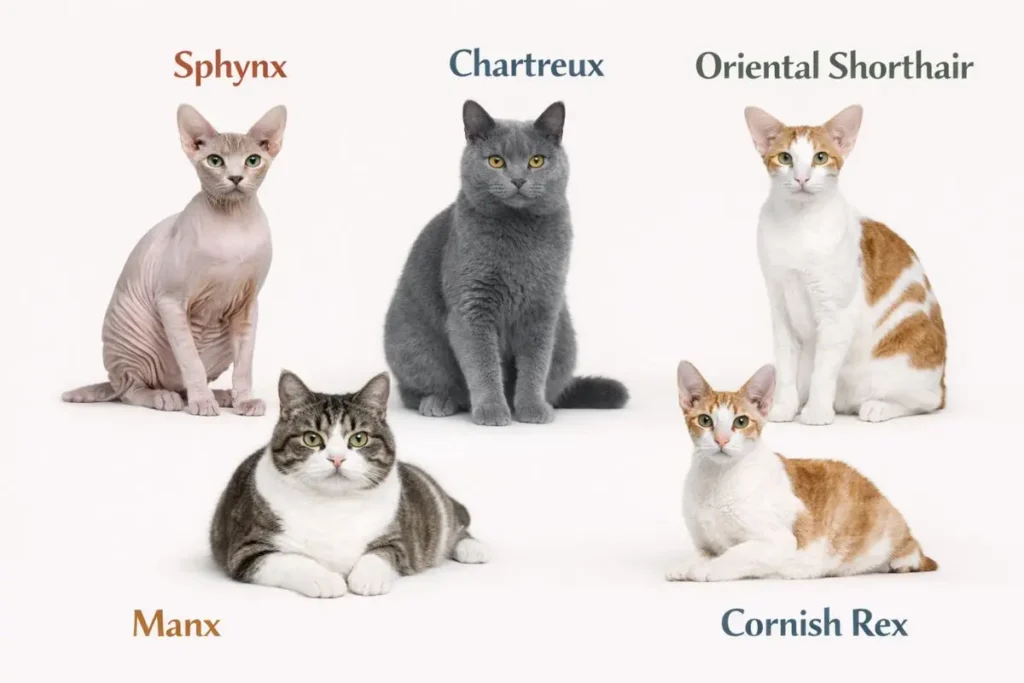
Sphynx
Why They’re Great for First-Time Owners: Though the Sphynx is a hairless breed, it’s still a low-maintenance cat in many ways. They don’t shed, but they do require regular bathing to keep their skin clean.
What to Expect: Sphynx cats are known for being affectionate, playful, and energetic. They enjoy human companionship but are not as high-maintenance as some other breeds in terms of grooming needs, despite requiring regular baths.
Care Tips:
- Grooming: Bathe them every 1-2 weeks to keep their skin clean.
- Health: Sphynx cats can be prone to certain skin conditions, so regular cleaning is necessary.
Chartreux
Why They’re Great for First-Time Owners: The Chartreux is a calm, easygoing breed with a thick coat that doesn’t require much grooming. They’re known for being independent yet affectionate, making them great for first-time owners.
What to Expect: Chartreux cats are adaptable and enjoy a peaceful home. They’re not overly demanding but are affectionate with their owners. Their thick fur doesn’t require much upkeep, and they are generally healthy.
Care Tips:
- Grooming: Brush once a week to prevent matting.
- Health: This breed is generally healthy, but regular vet check-ups are still important.
Oriental Shorthair
Why They’re Great for First-Time Owners: Oriental Shorthairs are intelligent, curious, and social, yet they are easy to maintain due to their short coat. They thrive in homes where they receive attention but are not overly clingy.
What to Expect: These cats are active and playful, making them great companions for families or individuals who enjoy an interactive pet. They don’t require a lot of grooming and are typically healthy.
Care Tips:
- Grooming: A quick weekly brush will suffice.
- Health: They are healthy but need mental stimulation to prevent boredom.
Manx
Why They’re Great for First-Time Owners: The Manx is a unique breed known for its taillessness (though some have short tails). They are playful, intelligent, and have a short coat that requires minimal grooming.
What to Expect: Manx cats are affectionate and friendly but can also be independent. They adapt well to different living situations and are perfect for first-time owners who want a playful yet easygoing cat.
Care Tips:
- Grooming: A once-a-week brushing is enough to keep their coat healthy.
- Health: They are generally healthy but should have regular vet visits for their overall well-being.
Cornish Rex
Why They’re Great for First-Time Owners: The Cornish Rex is a playful, friendly breed with a unique curly coat. Their fur sheds very little, and they are easy to care for in terms of grooming.
What to Expect: Cornish Rex cats are highly social, active, and enjoy interacting with their owners. They are very adaptable and don’t require much grooming, making them a good choice for new pet owners.
Care Tips:
- Grooming: They don’t shed much, so just an occasional rubdown with a damp cloth will keep their coat looking good.
- Health: Cornish Rex cats are generally healthy, but like all cats, they should have regular vet check-ups
Common Mistakes
Overfeeding Your Cat
New cat owners often worry about their cat’s nutrition and might end up overfeeding them. This can lead to obesity, which is harder to manage down the road. Make sure to follow portion guidelines on your cat’s food packaging or consult your vet for personalized advice.
Neglecting Litter Box Maintenance
A clean litter box is essential to keeping your cat happy and healthy. Not cleaning it frequently enough can lead to your cat avoiding the box, which can create messy situations. Scoop the box daily and change the litter regularly.
Forgetting to Provide Mental Stimulation
Even low-maintenance cats need mental stimulation. While they don’t require constant attention, it’s essential to provide toys or climbing structures to keep them entertained. This will help reduce boredom and prevent destructive behavior.