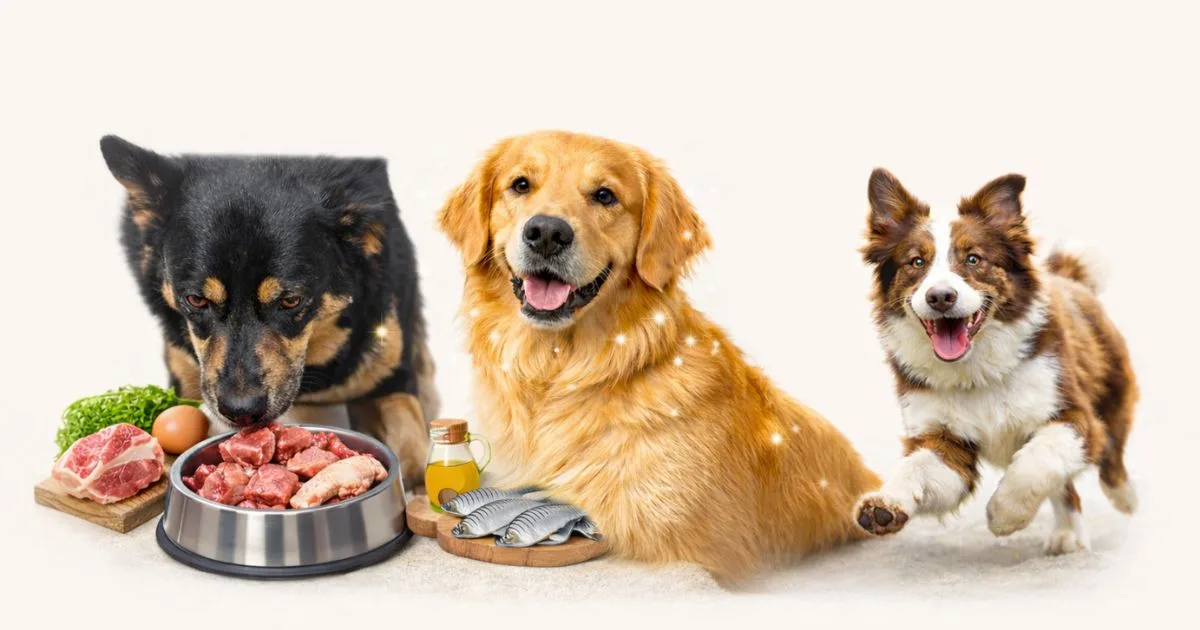
The Benefits of Raw Food Diets for Dogs are becoming increasingly popular among pet owners seeking to improve their dog’s health. Choosing the right diet for your dog is essential, and a raw food diet—natural, unprocessed food—can provide numerous advantages. This diet mimics what dogs are biologically designed to eat, promoting better digestion, a shinier coat, increased energy, and improved dental health.
Raw food diets for dogs can help alleviate common gastrointestinal issues that are often caused by fillers and preservatives in kibble. If you’re considering switching to a raw food diet, it’s important to understand both its benefits and the challenges that come with this natural approach to feeding your dog.
Benefits of a Raw Food Diet

Improved Digestion
One of the main reasons pet owners switch to a raw food diet is its effect on digestion. Dogs eating raw food tend to experience fewer gastrointestinal issues like gas, bloating, and irregular bowel movements. Unlike commercial kibble, which can contain fillers and preservatives that are harder to digest, raw food is much closer to what dogs are biologically designed to eat, making it easier for their bodies to break down and absorb.
What you might have missed: Raw food contains natural enzymes that help with digestion. These enzymes are typically destroyed in the high-heat process used to cook commercial dog foods, so your dog can benefit from better nutrient absorption when fed a raw diet.
Healthier Skin and Coat
Another key benefit of a raw food diet is the improvement in a dog’s coat and skin. Many raw food feeders report that their dogs’ coats become shinier, softer, and healthier after transitioning to a raw diet. The healthy fats found in raw meats, especially omega-3 fatty acids in fish, play a major role in enhancing skin health and promoting a glossy, full coat.
Pro tip: Fish like salmon and sardines are particularly beneficial for skin health. They are rich in omega-3 fatty acids, which reduce inflammation and support healthy skin and fur.
Increased Energy
Dogs on a raw food diet often experience increased energy levels. Raw food is nutrient-dense and provides a higher quality of nutrition compared to commercial kibble, which often contains fillers and low-quality ingredients. Dogs on raw diets are typically more active and alert, with some even becoming more playful and energetic as a result.
What to expect: The higher protein and fat content found in raw foods is designed to fuel your dog’s muscles, contributing to better overall health and stamina. Dogs fed raw diets often exhibit better endurance, allowing them to engage in more physical activities without tiring out quickly.
Better Dental Health
One of the standout benefits of raw feeding is the improvement in dental health. When dogs chew on raw bones, they are naturally cleaning their teeth. The physical action of chewing helps to scrape away plaque and tartar, promoting healthier teeth and gums. In fact, many raw feeders claim their dogs have fewer dental problems and fresher breath compared to those on processed food diets.
Additional insight: Chewing on raw bones is also a form of natural enrichment for dogs. It provides mental stimulation and helps relieve stress, which is important for dogs that may struggle with anxiety or boredom.
Common Mistakes
While a raw food diet can be beneficial, it’s important to avoid certain mistakes that can lead to health problems for your dog. The following are some common pitfalls many first-time raw feeders make.
Not Offering a Balanced Diet
A raw food diet isn’t just about feeding meat. It’s crucial to balance the different components of the diet to provide your dog with all the necessary nutrients. Raw food should include muscle meat, organs (like liver and kidney), and bones. Without organ meats, your dog may not be getting enough vitamins and minerals that are essential for their health.
Fix: A balanced raw food diet should include a variety of protein sources, such as chicken, turkey, beef, and lamb, along with bones and organ meats. Aim for approximately 70-80% muscle meat, 10-15% bones, and 5-10% organs to ensure your dog’s diet is complete.
Feeding the Wrong Bones
Not all bones are safe for dogs. Cooked bones, especially those from poultry like chicken or turkey, can splinter easily and pose a significant choking hazard or cause injuries to the digestive tract. Raw bones, on the other hand, are safer for dogs because they are softer and less likely to splinter.
Fix: Only feed raw, large bones that your dog can safely chew on. Beef bones, lamb necks, and chicken necks are good examples of raw bones that are safe for most dogs to consume. Always supervise your dog when they are eating bones to ensure they don’t accidentally swallow something too large or hard to handle.
Transitioning Too Quickly
When switching to a raw food diet, some dog owners make the mistake of abruptly switching from kibble or wet food to raw food. This sudden change can cause digestive upset, leading to diarrhea, vomiting, or constipation.
Fix: Transition your dog to raw food gradually. Start by mixing small amounts of raw food with their regular food, and slowly increase the amount of raw food while decreasing their regular food. This slow transition helps your dog’s digestive system adjust without causing stress.
Feeding the Same Meat Every Day
While a raw food diet can offer better quality protein than commercial dog food, feeding the same meat every day can lead to imbalances in nutrients. A single meat source doesn’t provide all the essential vitamins and minerals that dogs need to stay healthy, and over time, this can lead to nutritional deficiencies.
Fix: Rotate the types of meat you feed your dog to ensure variety. Include a mix of beef, lamb, turkey, chicken, and fish in your dog’s diet. You can also include organ meats like liver and kidney to increase nutrient diversity.
Tips for Successfully

Start with High-Quality Proteins
When starting a raw food diet, begin with easily digestible proteins like chicken, turkey, or beef. These meats are mild on the stomach and will help your dog transition smoothly. Once your dog adjusts, you can incorporate other proteins, such as lamb, fish, and even exotic meats like venison or rabbit.
Keep Hygiene a Priority
Feeding raw meat requires extra attention to cleanliness. Since raw food can harbor bacteria like Salmonella or E. coli, it’s essential to keep feeding areas clean and wash your hands thoroughly after handling raw food. Be sure to clean your dog’s food bowl and feeding area after each meal to prevent contamination.
What you should know: Raw food diets are much safer when hygiene practices are followed strictly. Store raw food in the refrigerator or freezer and ensure it’s fresh before feeding it to your dog.
Supplement if Necessary
While raw food can be nutritious, it may not always provide everything your dog needs. Depending on your dog’s age, activity level, or health status, you may need to add supplements to ensure they’re getting enough of certain nutrients.
Supplements to consider: Fish oil for omega-3 fatty acids, vitamin E, probiotics, and calcium supplements are common additions to a raw food diet. Talk to your vet about which supplements are appropriate for your dog.
Monitor Your Dog’s Health
Regular health check-ups are crucial when feeding a raw food diet to make sure your dog is getting all the necessary nutrients. Monitor your dog’s weight, coat condition, energy levels, and overall health. If you notice any changes, consult with a veterinarian to make sure your dog’s diet is balanced and meeting their needs.
Pro tip: Keep a journal of your dog’s diet and health to track any improvements or issues that arise. This will be helpful if you need to consult your vet or canine nutritionist.