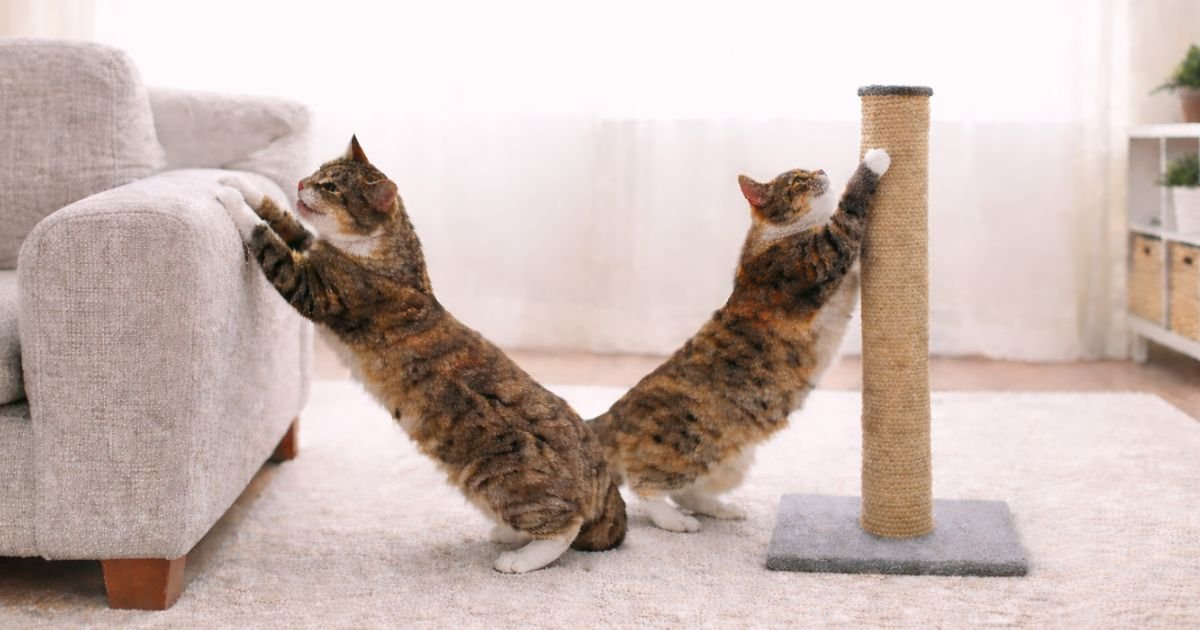
Cats are curious and playful creatures, but when their natural instinct to scratch surfaces around the house leads to damaged furniture, it can become a source of frustration. Scratching is a behavior that many cat owners struggle with, especially when it affects valuable or cherished items like sofas, chairs, or wooden tables. Fortunately, there are several ways to address the issue without causing stress to your cat.
In this article, we’ll explore why cats engage in this behavior and provide actionable tips to help you resolve the problem effectively. From offering appropriate alternatives to using positive reinforcement, we’ll guide you through the process of solving the issue.
Why Do Cats Scratch Furniture?
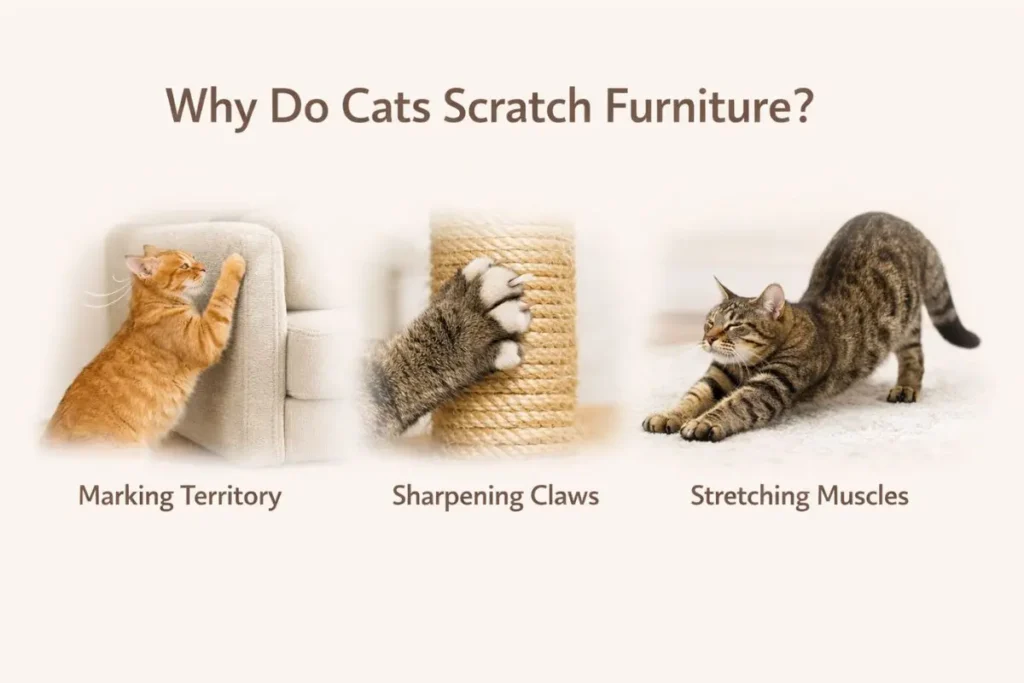
Understanding why your cat scratches is the first step toward managing the behavior. Scratching is a natural and instinctive action for cats, serving multiple purposes:
- Marking Territory: Cats have scent glands in their paws, and scratching helps them mark their territory by leaving behind a unique scent.
- Sharpening Claws: Cats need to keep their claws sharp for climbing, hunting, and self-defense. Scratching helps them remove the dead outer layer of their claws.
- Stretching Muscles: Scratching also serves as a way for cats to stretch their muscles, especially in their forelegs and back.
While it’s a natural behavior, scratching can be a problem when your cat targets your furniture.
How to Stop Your Cat from Scratching Furniture
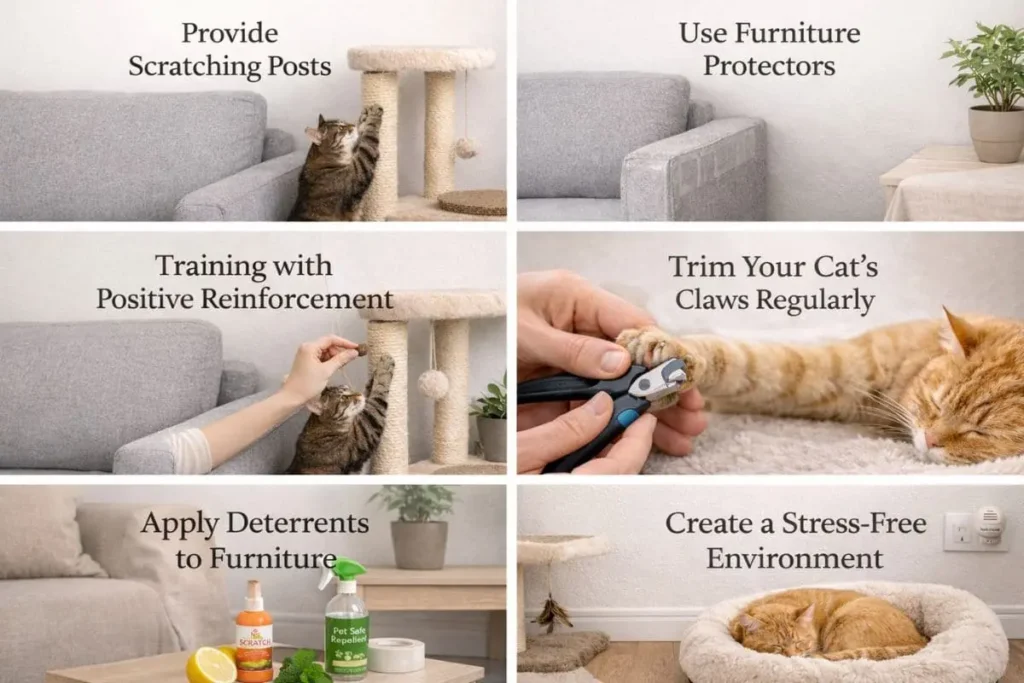
1 Provide Scratching Posts
One of the best ways to redirect your cat’s behavior is to provide an alternative surface. Invest in a sturdy, tall scratching post that allows your cat to stretch fully. Cats love the texture of sisal rope, and cardboard scratchers can also be effective for some.
Placement: Put the post near the area where your cat typically scratches. For example, if your cat scratches the armrest of the couch, place the post next to it to encourage them to use the post instead.
2 Use Furniture Protectors
Even with a scratching post, your cat might still target your furniture. In such cases, consider using furniture protectors.
Adhesive Strips: Sticky Paws adhesive strips can be placed on furniture to create a texture that your cat doesn’t like, discouraging them from scratching those areas.
Slipcovers: You can also use slipcovers or furniture protectors that act as a barrier between your cat’s claws and your furniture.
3 Training with Positive Reinforcement
Training your cat with positive reinforcement can be highly effective. When your cat uses the scratching post, reward them with treats or affection immediately. This helps reinforce the desired behavior.
Consistency: Reward your cat each time they use the post, ensuring they associate the action with a positive outcome.
Redirecting: If you catch your cat scratching furniture, gently place them on the scratching post. Avoid punishment, as cats don’t understand negative reinforcement and it could cause anxiety.
4 Trim Your Cat’s Claws Regularly
Although trimming your cat’s claws doesn’t stop them from scratching, it reduces the damage caused by their claws. Use cat-specific nail clippers and trim only the sharp tips. Avoid cutting into the pink area (the quick) to prevent injury.
Frequency: Trim your cat’s claws every 2-3 weeks, or as needed, depending on how much they scratch.
5 Apply Deterrents to Furniture
If your cat continues to scratch the furniture, you can try using cat deterrent sprays. Many cats dislike the scent of citrus, so citrus-based sprays can be effective.
How to Use: Lightly spray the areas your cat targets for scratching. The scent will deter them from returning to that spot.
6 Create a Stress-Free Environment
To create a relaxing and comfortable space for your cat at home, it’s important to consider both their physical and emotional needs. A stress-free environment is key to preventing undesirable behaviors, such as scratching. Cats may scratch out of boredom or stress, so providing them with a space that caters to their mental and physical well-being can make a big difference.
Playtime: Engage your cat with interactive toys like feather wands or laser pointers, and use puzzle feeders for mental stimulation.
Calming Aids: Consider calming products like Feliway diffusers to reduce anxiety and prevent scratching. A well-rounded environment can help your cat feel secure and relaxed.
Common Mistakes to Avoid
- Yelling or Punishing Your Cat: Cats don’t understand punishment, so yelling at them won’t help. Instead, focus on redirecting their behavior and rewarding good actions.
- Not Providing Enough Scratching Options: Offering only one scratching post can lead to boredom. Make sure to provide several options in different areas of the home to keep your cat interested.
- Ignoring Claw Maintenance: Neglecting to trim your cat’s claws can result in more damage to your furniture. Regularly trim their claws to reduce the impact of scratching.
Success Story: Oliver the Bengal
Oliver, a 3-year-old Bengal cat, was notorious for scratching the arms of his owner’s new sofa. Despite using sprays and sticky tape, he kept returning to the same spot. After setting up a tall sisal scratching post near the couch and rubbing some catnip on it, his owner rewarded him with treats every time he used it. Over the next few weeks, Oliver started using the post exclusively, and the sofa remained safe.