
Spotting the signs of illness in dogs is one of the most important skills any pet owner can have. Your dog can’t tell you when they’re feeling unwell, which means it’s up to you to be their advocate. Early detection of health problems can make all the difference, not just in avoiding costly vet bills, but in ensuring your dog lives a long, happy, and comfortable life.
Whether you’re a first-time dog owner or a seasoned pro, recognizing the subtle signs that your dog is unwell can be challenging. Dogs are masters at hiding pain and discomfort, so understanding the warning signals they give is essential for keeping them healthy. In this guide, we’ll cover the common signs of illness in dogs and provide you with practical advice on how to spot them early. By learning these signs and being proactive, you’ll ensure that your dog gets the care they need right when it counts.
Keep reading for valuable tips and step-by-step guidance to help you become more aware of your dog’s health, ensuring you can act swiftly when something doesn’t seem quite right.
Changes in Appetite or Drinking Habits

One of the first signs you may notice when your dog is feeling unwell is a change in their eating or drinking habits. A sudden loss of appetite or excessive thirst can signal a health problem.
- What to watch for:
- Reduced or increased appetite
- Drinking more water than usual
- Excessive urination or no urination at all
- Possible causes: Diabetes, kidney disease, dental issues, or gastrointestinal problems.
- Action: Track your dog’s food and water intake. If you notice changes lasting for more than a day, contact your vet.
Lethargy or Decreased Energy
Dogs are naturally active, but when they become suddenly sluggish or disinterested in their usual activities, it could be a sign that something is wrong. Lethargy or a lack of energy can sometimes indicate an underlying health issue.
- What to watch for:
- Excessive sleeping or hiding
- Lack of interest in play or exercise
- Withdrawal from social interaction
- Possible causes: Infections, heart disease, arthritis, or kidney failure.
- Action: Monitor your dog’s energy levels for a few days. If lethargy persists, it’s time to see the vet.
Coughing or Difficulty Breathing
Persistent coughing or difficulty breathing are two clear indicators that your dog may be dealing with a respiratory issue. If your dog starts wheezing, coughing, or having trouble breathing, it’s important to seek veterinary care as soon as possible.
- What to watch for:
- Dry, persistent cough
- Wheezing or labored breathing
- Rapid or shallow breathing
- Possible causes: Respiratory infections, kennel cough, pneumonia, or heart disease.
- Action: If your dog is struggling to breathe or coughing more than usual, visit the vet immediately.
Vomiting or Diarrhea
Occasional upset stomachs are normal, but when vomiting or diarrhea becomes frequent or persistent, it’s a sign that something’s wrong. This can often be a result of infections, allergies, or more severe issues.
- What to watch for:
- Frequent vomiting or diarrhea
- Blood in stool or vomit
- Lethargy or loss of appetite accompanying vomiting or diarrhea
- Possible causes: Gastrointestinal issues, infections, poisoning, or parasites.
- Action: If vomiting or diarrhea lasts longer than 24 hours or is accompanied by other symptoms, schedule a vet appointment.
Unexplained Weight Loss or Gain
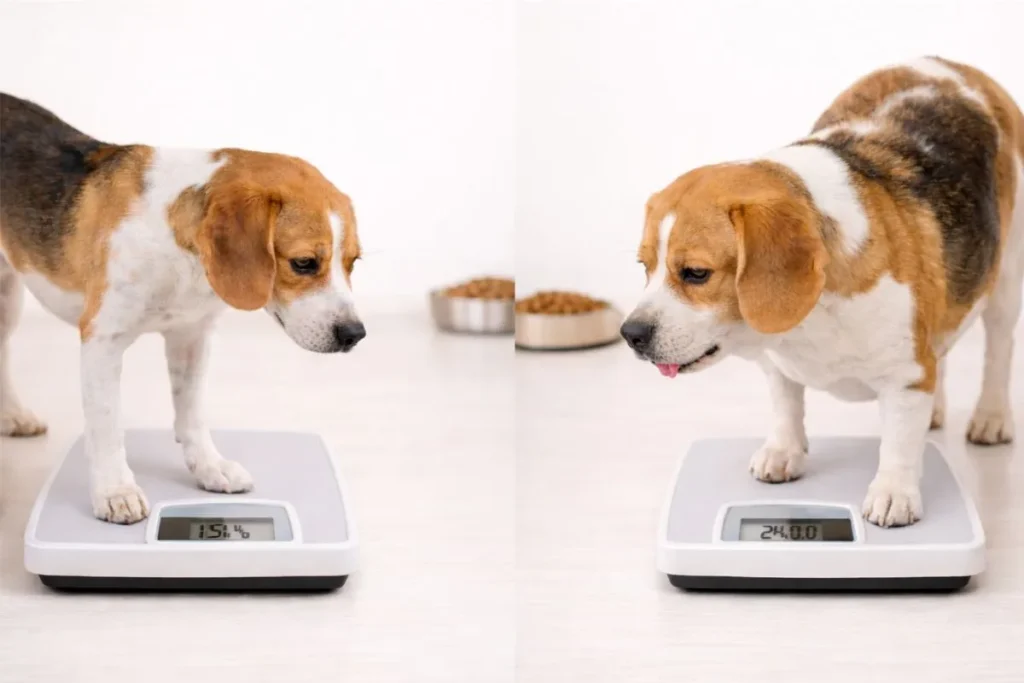
If your dog suddenly loses weight despite maintaining the same diet or starts gaining weight without any changes in their routine, it could point to a health issue.
- What to watch for:
- Sudden weight loss
- Unexplained weight gain
- Decrease in muscle tone or strength
- Possible causes: Cancer, thyroid problems, kidney disease, or diabetes.
- Action: Monitor your dog’s weight regularly. If you notice any changes, contact your vet for a thorough examination.
Changes in Coat or Skin
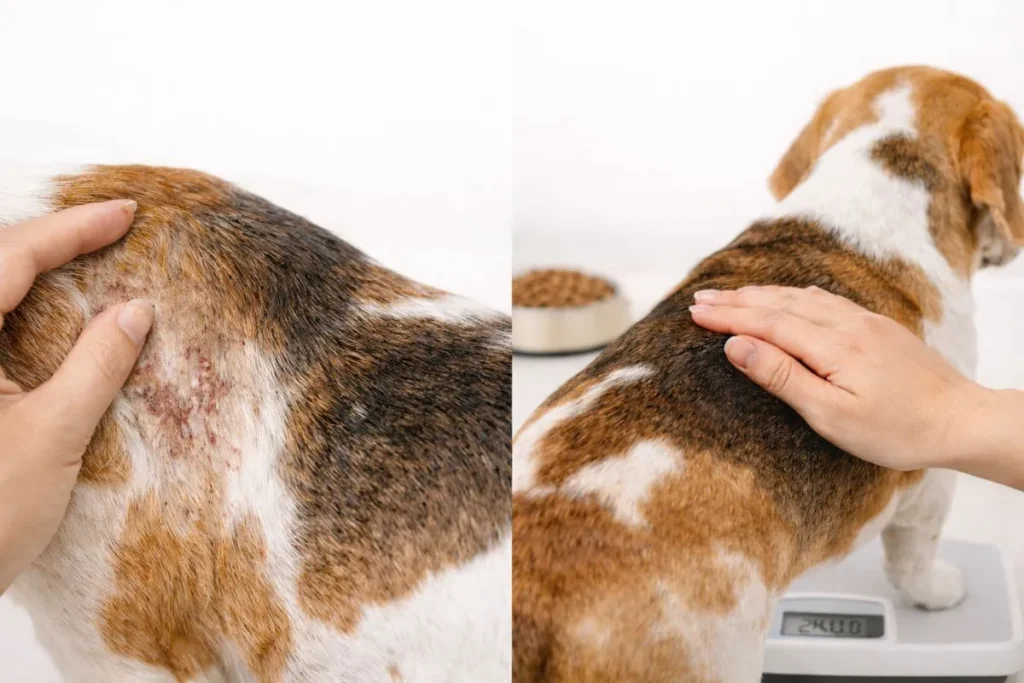
Your dog’s coat and skin can give you vital clues about their health. If you notice their coat becoming dull, losing hair, or skin issues developing, it could indicate an underlying condition.
- What to watch for:
- Hair loss, thinning, or a dull coat
- Dry, flaky skin, or inflamed areas
- Excessive itching or scratching
- Possible causes: Allergies, infections, hormonal imbalances, or parasites.
- Action: Examine your dog’s coat and skin for signs of irritation or infection. If you notice any unusual changes, schedule a visit to the vet.
Behavioral Changes
Any significant shift in your dog’s behavior can be a sign of illness. This might include increased aggression, anxiety, or a sudden lack of interest in normal activities.
- What to watch for:
- Sudden aggression or fearfulness
- Increased anxiety or whining
- Hiding or avoiding interaction with you
- Possible causes: Pain, neurological issues, or cognitive dysfunction.
- Action: Pay attention to your dog’s emotional changes. If they become unusually aggressive or withdrawn, consult your vet.
Excessive Drooling or Salivation
Excessive drooling or salivation can be a sign of nausea, dental disease, or even poisoning. While some drooling is normal for certain breeds, if it’s excessive or abnormal, it could indicate a problem.
- What to watch for:
- Excessive drooling without a known cause
- Foamy saliva or drooling in large amounts
- Vomiting or a lack of appetite accompanying the drooling
- Possible causes: Dental disease, nausea, or poisoning.
- Action: If your dog is drooling excessively, especially if they show other signs of illness, visit the vet as soon as possible.
Changes in Urination
Changes in your dog’s urination habits can be a warning sign. Difficulty urinating, or urinating more or less than usual, could indicate urinary problems or other internal conditions.
- What to watch for:
- Frequent urination or difficulty urinating
- Blood in urine
- Accidents in the house
- Possible causes: Urinary tract infections (UTIs), kidney disease, or bladder stones.
- Action: Track your dog’s bathroom habits and contact your vet if you notice any significant changes.
Bad Breath (Halitosis)
Bad breath is often a sign of oral health problems. While some dogs naturally have bad breath, sudden or persistent foul-smelling breath could be a sign of something more serious.
- What to watch for:
- Unusually foul-smelling breath
- Difficulty eating or chewing
- Drooling or swelling around the mouth
- Possible causes: Dental disease, kidney problems, or diabetes.
- Action: Examine your dog’s teeth and gums for any signs of infection or decay. If the bad breath continues, consult your vet.
Swelling or Lumps
Lumps and swelling can appear anywhere on your dog’s body, and while some are harmless, others could indicate serious health issues, like tumors.
- What to watch for:
- Unusual lumps or bumps under the skin
- Swelling around the face or body
- Pain or tenderness when touched
- Possible causes: Infections, tumors, abscesses, or cysts.
- Action: Have any unusual lumps or bumps checked by your vet. Early detection is key to treating any serious conditions.
Seizures or Tremors
Seizures or tremors are alarming signs that something is very wrong. They require immediate veterinary attention.
- What to watch for:
- Uncontrolled shaking or muscle spasms
- Loss of consciousness or convulsions
- Possible causes: Epilepsy, heatstroke, poisoning, or neurological disorders.
- Action: Seek immediate veterinary care if your dog experiences seizures or tremors.