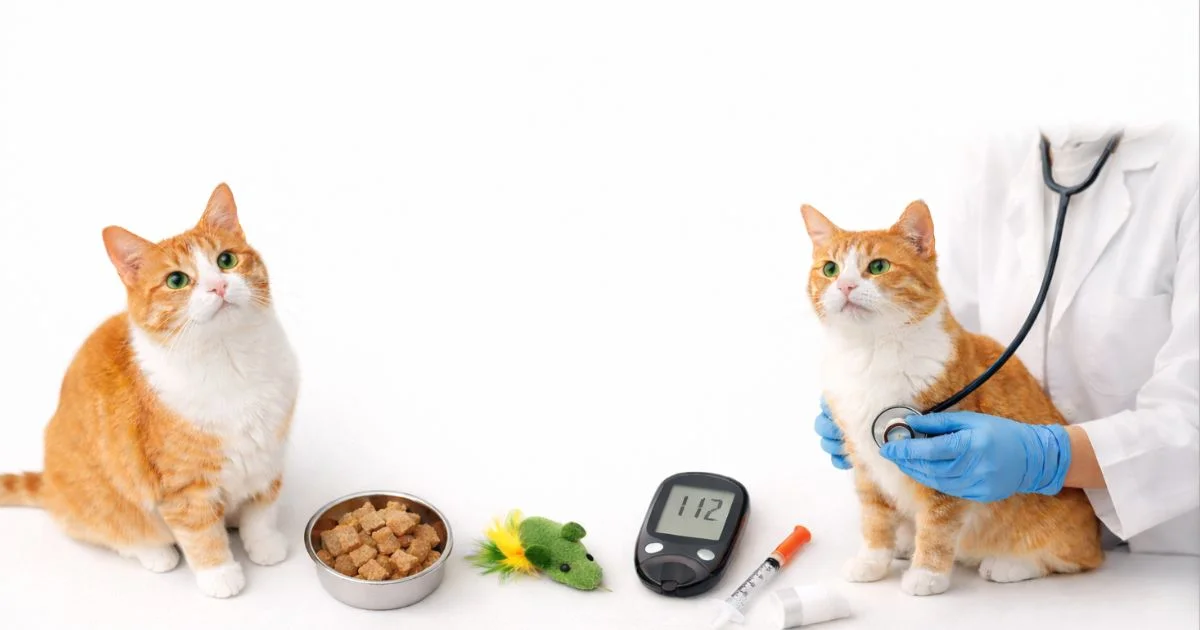
As a cat owner, spotting feline diabetes early is crucial to ensuring your pet lives a long, healthy life. Feline diabetes is a common yet serious condition that affects how your cat’s body processes glucose, leading to potential complications like kidney disease, nerve damage, and even blindness if left untreated. Understanding the early warning signs of diabetes in cats and taking preventive steps can make all the difference in your pet’s well-being.
In this post, we’ll walk you through the symptoms of feline diabetes and provide actionable steps you can take to help prevent it. With the right approach, you can keep your cat’s blood sugar levels in check and improve their overall health. Early intervention and proper care are key to managing this condition and ensuring a happy, active life for your cat.
What is Feline Diabetes?
Feline diabetes occurs when your cat’s body struggles to regulate blood sugar (glucose) levels. It’s similar to Type 2 diabetes in humans. Either the body stops making enough insulin, or the body becomes resistant to the insulin it does produce, leading to high blood sugar levels. Over time, this can cause serious damage to your cat’s organs, particularly their kidneys, heart, and nerves.
Key Symptoms of Feline Diabetes
Cats with diabetes don’t always show clear, obvious signs right away. Here are the most common symptoms you should watch for:
- Increased Thirst and Urination: One of the most common signs of feline diabetes is drinking a lot more water than usual. As your cat drinks more, they’ll urinate more, too. If you notice your cat using the litter box a lot more often, it could be a sign that something is wrong.
- Weight Loss Despite Eating More: Even if your cat seems to be eating well, they might still lose weight. This happens because their body can’t use the glucose from food properly.
- Lethargy: If your cat is sleeping more than usual or lacks the energy they used to have, it could be a result of unregulated blood sugar.
- Increased Hunger: Despite eating more, your cat may still act hungry. This is because their cells are not getting the energy they need from food.
- Poor Coat Condition: Diabetes can cause your cat’s fur to lose its shine and appear dull and greasy.
- Vomiting or Weakness: In severe cases, diabetic cats may vomit frequently or become unusually weak.
Why Early Detection is Important
Feline diabetes, if caught early, can be managed effectively through diet changes, insulin injections, and regular vet check-ups. However, untreated diabetes can lead to diabetic ketoacidosis (DKA), a life-threatening condition that can cause kidney failure, liver damage, or nerve issues. Early intervention is key to giving your cat the best chance at a healthy life.
Prevent Feline Diabetes
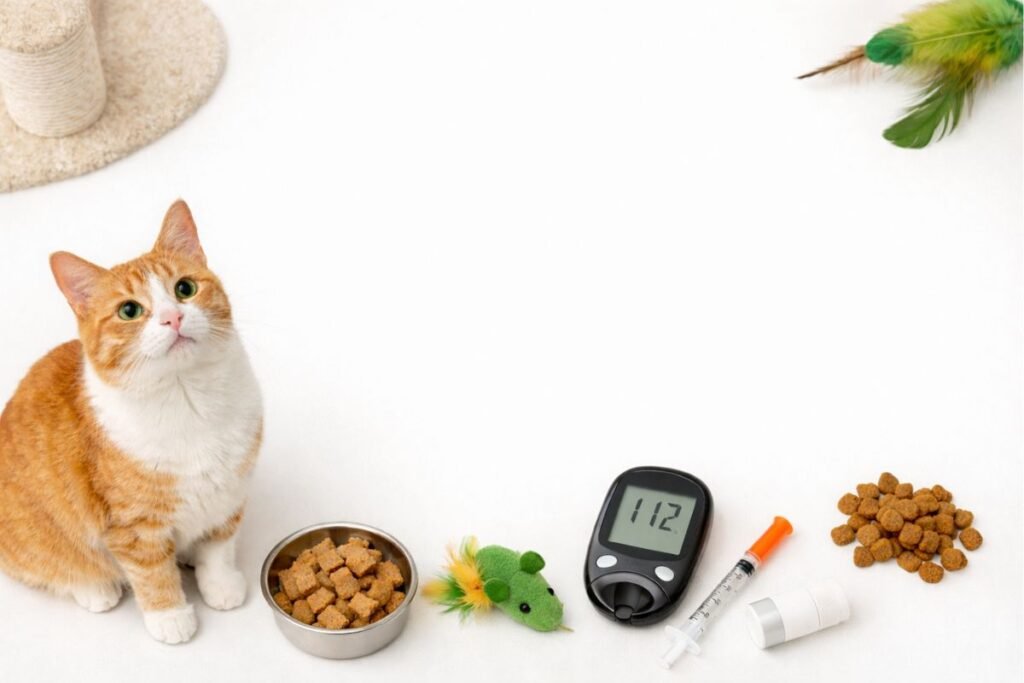
Although genetics can play a role in whether your cat develops diabetes, certain lifestyle changes can help prevent it. By ensuring your cat maintains a healthy weight and follows a balanced diet, you can reduce their risk.
Feed Your Cat a Proper Diet
A balanced diet is essential for keeping your cat’s blood sugar levels stable and managing their weight. Here’s what you can do:
- Prioritize High-Quality Protein: Cats are obligate carnivores, meaning they need animal-based protein to stay healthy. Choose food with high protein and low carbs. Wet food is usually a better option than dry food for this reason.
- Limit Carbohydrates: Cats don’t process carbs as efficiently as humans, so it’s crucial to minimize their intake. Opt for low-carb, high-protein foods.
- Watch Portion Sizes: Overfeeding can contribute to obesity, a major risk factor for diabetes. Make sure to measure your cat’s food to avoid overfeeding.
Keep Your Cat Active
Exercise is vital for maintaining a healthy weight and overall wellness. Here are ways to get your cat moving:
- Interactive Play: Play with your cat every day using toys like feather wands, laser pointers, and balls. This will help keep them active and prevent obesity.
- Climbing Areas: Cats love to climb! Provide shelves or a cat tree where they can jump and explore to keep them engaged and active.
- Encourage Exploration: If your cat is an indoor cat, provide them with opportunities to explore new areas in your home. This will stimulate them mentally and physically.
Regular Vet Visits
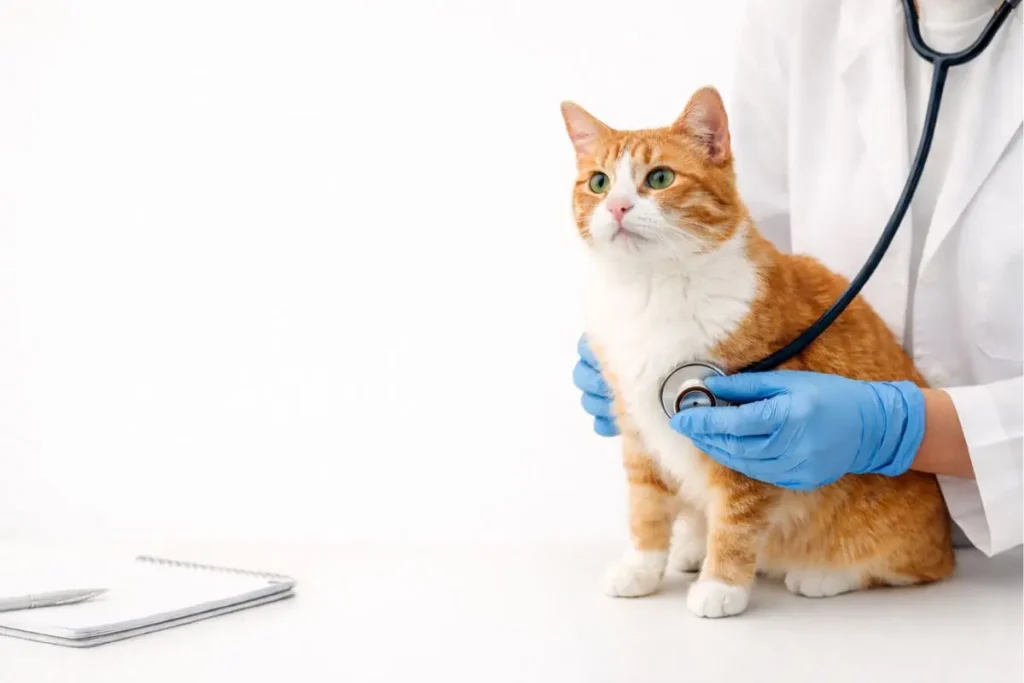
Routine vet check-ups are crucial for detecting any early signs of health issues, including diabetes. Your vet can monitor your cat’s weight, blood sugar, and overall health to ensure they are on the right track. Early blood tests can also help identify abnormalities that may indicate diabetes, allowing for early intervention.
Mistakes Cat Owners
Many cat owners unknowingly make mistakes that can put their cats at risk of developing diabetes. Here are some common mistakes and how to avoid them:
Free-Feeding
Many owners leave food out all day, allowing their cats to eat whenever they want. This practice can lead to overeating and obesity, which increases the risk of diabetes. Instead, feed your cat at regular intervals and measure their portions to prevent overfeeding.
Ignoring Early Symptoms
It’s easy to dismiss subtle signs like increased thirst or appetite, but these are often early indicators of diabetes. If you notice any unusual behavior or symptoms, it’s always best to consult your vet. Early detection can make a huge difference in managing the condition.
Feeding Too Much Dry Food
Dry food is often high in carbohydrates, which can cause blood sugar spikes. Try switching to high-quality, low-carb wet food, which is more suitable for a diabetic-friendly diet. Mixing in a little dry food is okay, but it shouldn’t make up the majority of their diet.
Mini Case Example: Luna’s Early Diagnosis
Luna, a 9-year-old indoor cat, started drinking excessive amounts of water and had frequent trips to the litter box. Her owner, worried about the sudden change, took her to the vet. After a few tests, Luna was diagnosed with diabetes. Fortunately, the condition was caught early, and with insulin shots, dietary changes, and regular vet visits, Luna’s condition improved, and she’s now leading a healthy life. Early detection made a big difference in her treatment plan.