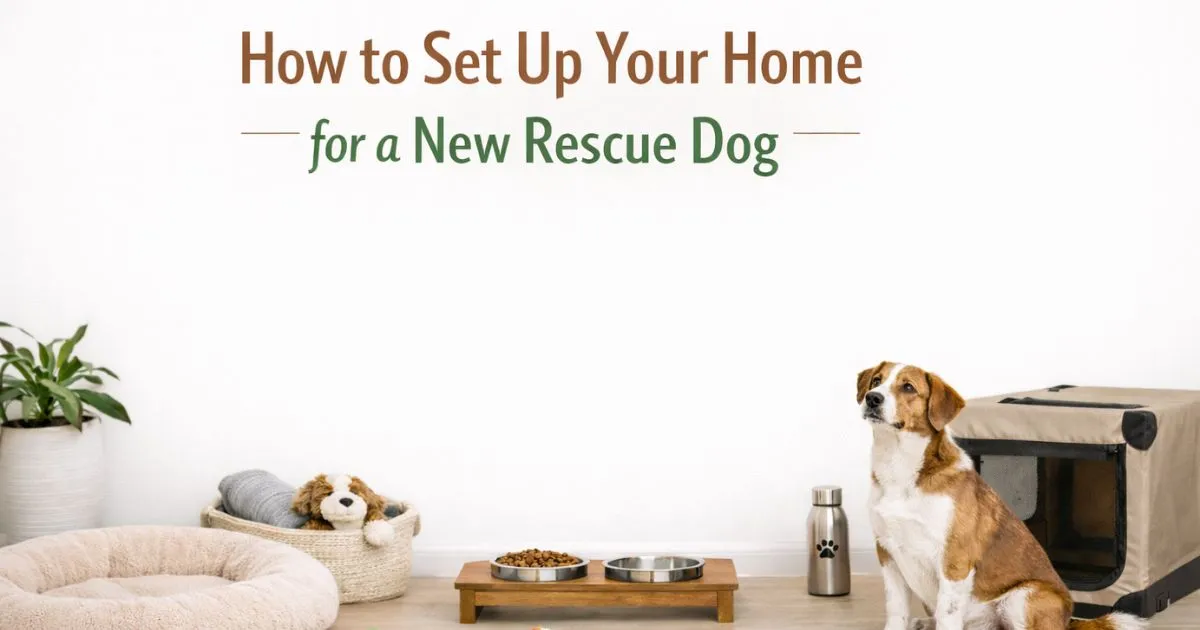
Adopting a rescue dog is a life-changing experience. While it’s incredibly rewarding, it also comes with challenges, especially if you’re a first-time dog parent. Rescue dogs often need extra care and attention as they adjust to their new home, and setting up your space in the right way is crucial to making them feel safe and comfortable. This guide will help you create an environment that promotes healing, reduces anxiety, and supports a smooth transition for your new furry friend.
Creating a Safe Space for Your New Dog
Why a Safe Space Is Essential
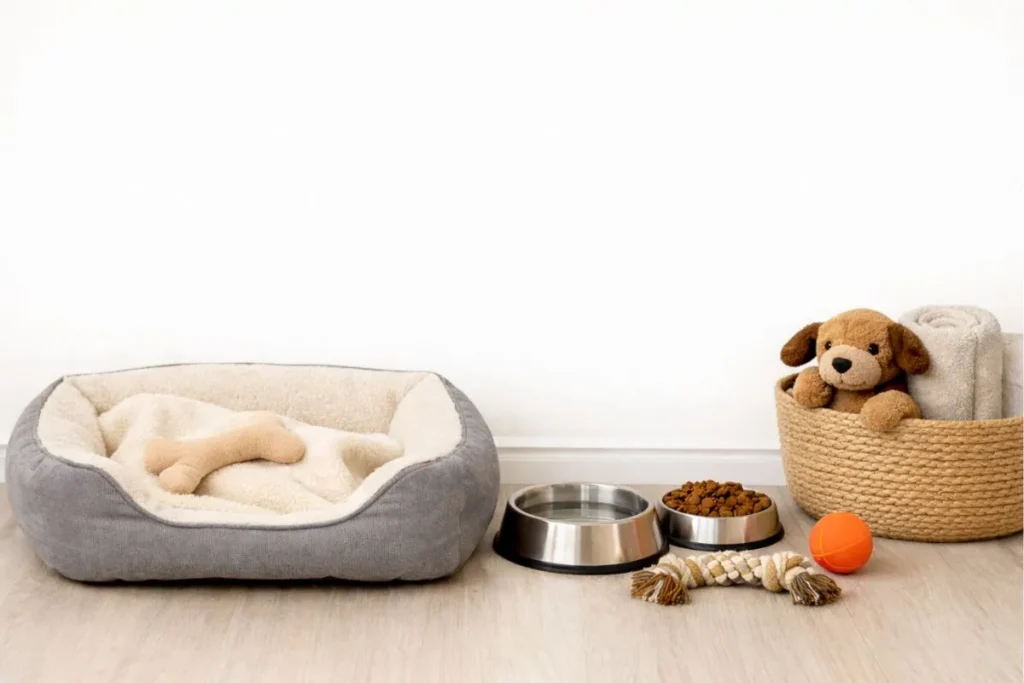
When your rescue dog first arrives, they may feel overwhelmed by the new environment. A quiet, secure space will allow them to feel safe and give them the option to retreat when they need a break.
- Where to Set It Up: Choose a low-traffic area in your home, like a spare room or a corner of the living room. This will be their personal space to unwind.
- What to Include: A comfy bed, a blanket, a water bowl, and a few toys will help your dog feel at home. Keep it simple and inviting, so they can relax and feel secure.
Allowing Time to Adjust
Remember, your dog needs time to adjust to their new surroundings. Avoid overwhelming them with too many new experiences at once. Let them come to you when they’re ready.
Establishing a Routine
Dogs thrive on routine, and a consistent schedule will help your rescue dog feel more secure. Establishing a routine from day one will ease their transition and reduce anxiety.
- Feeding Times: Stick to a regular feeding schedule so your dog knows when to expect meals.
- Bathroom Breaks: Take your dog outside frequently, especially during the first few days. Consistent bathroom breaks will help them settle in.
- Sleep Schedule: Set dog bedtime routine. Having a regular sleep schedule will help your dog adjust to their new life more quickly.
Exercise Needs by Age and Breed
Different dogs require different levels of exercise. Understanding how much physical activity your dog needs is essential for their well-being.
| Age Group | Exercise Requirement | Breed Consideration |
|---|---|---|
| Puppies (8-16 weeks) | Short walks, playtime, and socialization | Small to medium breeds need less exercise |
| Adult Dogs (1-7 years) | 30-60 minutes of daily exercise | Active breeds need more exercise than sedentary breeds |
| Seniors (8+ years) | Moderate walks, mental stimulation | Lower-impact activities for older dogs |
- Tip: Tailor the amount of exercise based on your dog’s age and breed. For example, high-energy dog breeds like Border Collies need more exercise than smaller, less active breeds.
Addressing Behavioral Issues in Rescue Dogs

Tackling Separation Anxiety
Separation anxiety is common among rescue dogs, especially if they’ve experienced abandonment or rehoming in the past. This can lead to barking, chewing, and other destructive behaviors when left alone.
- Start Slow: Begin by leaving your dog alone for short periods, gradually increasing the time you’re away. This will help them get used to the idea that you will return.
- Distractions: Give your dog a treat-filled puzzle or favorite toy to keep them occupied when you leave.
Dealing with Fear and Shyness
Many rescue dogs are fearful or shy, especially in a new environment. It’s important to be patient and allow your dog to adjust at their own pace.
- Let Them Come to You: Don’t force interaction. Allow your dog to approach you when they feel comfortable.
- Positive Reinforcement: Reward them with treats or praise when they engage with you. This builds trust and encourages positive behavior.
Mini Case Example:
Luna, a 3-year-old mixed breed, was very shy when she first arrived. Her owners gave her space and used treats to encourage positive interactions. Over time, Luna became more confident and now enjoys spending time with her new family.
Common Mistakes
Overwhelming Your Dog Too Soon
First-time dog owners often try to show their new dog everything at once—every room, every person, and every pet. This can overwhelm the dog.
- Solution: Introduce your dog to one space at a time and let them explore on their own terms. Slowly expand their territory once they’re comfortable.
Not Giving Enough Space
It’s tempting to spend all your time with your new dog to comfort them, but some dogs need space to feel secure.
- Solution: Allow your dog to retreat to their designated safe space when needed. Don’t feel guilty for giving them time alone—it’s essential for their adjustment.
Providing Mental Stimulation
In addition to physical exercise, mental stimulation is crucial for your dog’s emotional well-being. Boredom can lead to anxiety and behavioral issues, so it’s important to engage your dog’s mind.
- Interactive Toys: Puzzle toys and treat-dispensing toys are great ways to keep your dog entertained and mentally stimulated.
- Scent Games: Hide treats around the house and encourage your dog to find them. This engages their brain and provides a fun challenge.