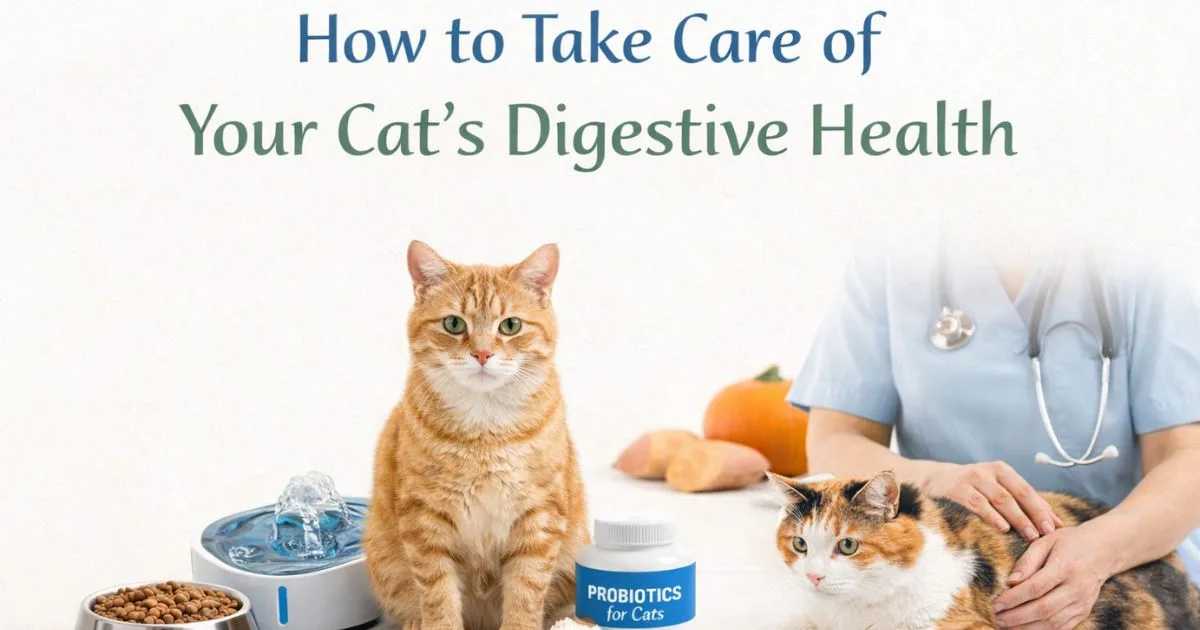
As a cat owner, your furry friend’s happiness and well-being are always a top priority. However, it can sometimes be challenging to fully understand your cat’s needs, especially when it comes to something as essential as cat digestive health. How to Take Care of Your Cat’s Digestive Health: Essential Tips for a Happy and Healthy Cat is crucial for ensuring that your cat remains comfortable and healthy. Ensuring proper digestive health is vital for your cat’s overall well-being, as digestive issues such as constipation, diarrhea, and an upset stomach can cause significant discomfort and distress. These issues not only affect your cat’s comfort but can also lead to more severe, long-term health complications if not addressed properly.
Understanding the basics of digestive health for cats—how diet, hydration, stress, and other factors play a role—is crucial for preventing these problems. In this guide, we will walk you through the best practices and effective strategies to support and maintain your cat’s digestive health, helping them live a long, active, and healthy life. How to Take Care of Your Cat’s Digestive Health: Essential Tips for a Happy and Healthy Cat is all about ensuring your cat’s digestive system stays in top shape, preventing discomfort and more serious health concerns.
Why Digestive Health Matters for Your Cat
Your cat’s digestive system plays a crucial role in their overall health. A healthy digestive system ensures that your cat is absorbing essential nutrients from their food, maintaining a healthy weight, and avoiding gastrointestinal discomfort. A poor diet or digestive problems can lead to weight loss, lethargy, dehydration, and in severe cases, life-threatening conditions. Therefore, understanding how to properly care for your cat’s digestive system is essential for maintaining their quality of life.
Cats are obligate carnivores, meaning their digestive systems are built to process animal-based proteins. This means that what your cat eats, how often they eat, and the quality of their food all affect how well their digestive system functions.
Tips for Take Care Your Cat’s
To keep your cat’s digestive system working at its best, it’s important to understand their dietary needs and overall habits. Below are 10 practical tips that will ensure your cat’s digestive health stays in top shape.
1. Provide a Balanced Diet

A well-balanced, high-quality diet is one of the most crucial factors in maintaining digestive health. Cats are obligate carnivores, meaning they require animal-based proteins to thrive. Foods that list a high-quality protein source like chicken, turkey, or fish as the first ingredient should be your go-to option.
Why it Matters:
A diet that includes the right amount of animal protein helps your cat’s digestive system break down food and absorb nutrients efficiently. Avoid foods with too many fillers, artificial additives, or by-products, as these can overwhelm your cat’s system and lead to digestive upsets.
Tip:
Look for cat food that emphasizes animal protein sources and avoids excessive fillers like corn, wheat, or soy. If your cat has a food sensitivity or allergy, talk to your vet about a specialized diet that will cater to their digestive health needs.
2. Ensure Proper Hydration
Hydration plays an essential role in your cat’s digestive health. Cats, particularly those that eat dry food, are prone to dehydration. Dehydration can lead to constipation and other digestive issues, such as sluggish digestion or more serious kidney problems.
Why it Matters:
Water is crucial for the digestive system to break down food, absorb nutrients, and flush out waste. Inadequate water intake can lead to harder stools, making it more difficult for your cat to pass them.
Tip:
Make sure to provide fresh water daily. Consider using a water fountain, as many cats prefer drinking from running water. You can also increase hydration by adding wet food to their diet or mixing water into their dry food.
3. Control Hairballs
Hairballs are a common issue, especially in long-haired breeds, and can cause digestive discomfort. As your cat grooms itself, it swallows loose hair, which can accumulate in the stomach and lead to hairballs. This can cause vomiting, constipation, or even intestinal blockages in severe cases.
Why it Matters:
Hairballs are not only unpleasant but can also lead to more serious digestive problems. If not managed, hairballs may cause discomfort, vomiting, or even intestinal blockage, requiring a vet’s intervention.
Tip:
Regular brushing, especially for long-haired cats, will reduce the amount of hair they ingest. You can also use specialized hairball control foods that contain ingredients like fiber to help move hairballs through their system.
4. Avoid Sudden Diet Changes
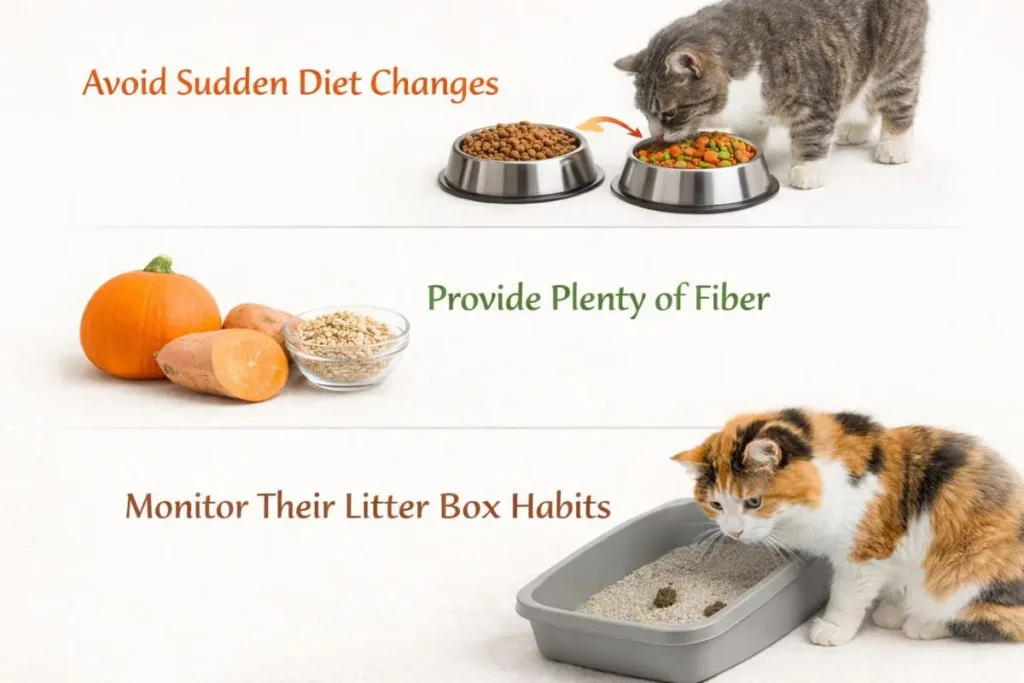
Your cat’s digestive system is sensitive to sudden dietary changes. If you switch your cat’s food abruptly, it can cause diarrhea, vomiting, or even refusal to eat. Gradual changes are necessary to allow your cat’s system to adjust properly.
Why it Matters:
Cats have sensitive digestive systems, and abrupt changes can shock the gut, leading to temporary digestive issues like diarrhea or stomach upset.
Tip:
If you need to change your cat’s food, do so gradually over a period of 5-7 days. Mix small amounts of the new food with the old food, gradually increasing the amount of the new food each day to avoid upsetting their digestive system.
5. Provide Plenty of Fiber
Fiber is essential for healthy digestion, as it helps regulate bowel movements and maintain proper gastrointestinal function. Fiber can aid in preventing constipation and ensures that food moves smoothly through the digestive tract.
Why it Matters:
Fiber plays a key role in regulating digestion, keeping stools soft, and helping your cat maintain a healthy weight. A lack of fiber can result in constipation or irregular bowel movements.
Tip:
Look for foods that contain fiber-rich ingredients like pumpkin, sweet potatoes, or oats. You can also ask your vet about adding fiber supplements to your cat’s diet if they experience constipation.
6. Monitor Their Litter Box Habits
Your cat’s litter box habits can provide you with valuable clues about their digestive health. Any significant changes in the frequency, consistency, or color of their stool may indicate a digestive issue. Monitoring these habits can help you detect problems early on.
Why it Matters:
Changes in your cat’s stool can indicate a variety of digestive problems, such as infections, parasites, or even food allergies. Early detection can help prevent more severe issues from developing.
Tip:
Regularly clean your cat’s litter box and pay attention to the size, consistency, and frequency of their stool. If you notice any significant changes, consult with your vet to rule out potential digestive problems.
7. Keep Stress to a Minimum
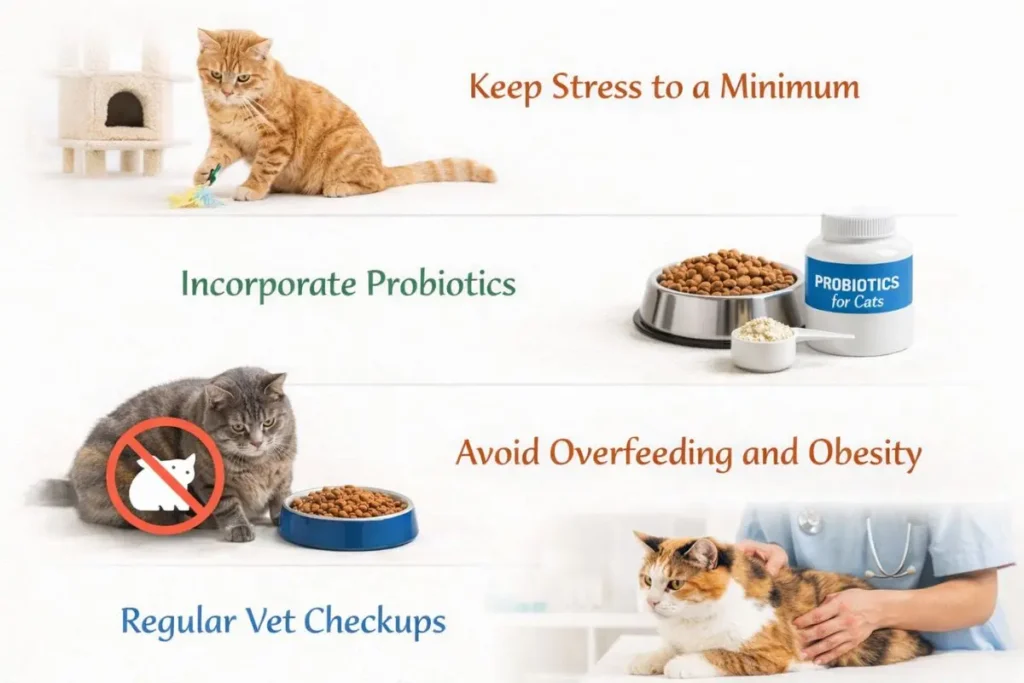
Stress can negatively affect your cat’s digestive system, causing problems like upset stomachs, diarrhea, or a loss of appetite. Cats are sensitive to environmental changes, so minimizing stress is essential for digestive health.
Why it Matters:
Chronic stress can lead to changes in appetite, diarrhea, or vomiting. If left unaddressed, stress can contribute to long-term digestive issues.
Tip:
Create a calm and consistent environment for your cat. Provide plenty of enrichment and playtime to keep them mentally stimulated and stress-free. Avoid abrupt changes in their routine and try to reduce any environmental stressors.
8. Incorporate Probiotics
Probiotics are beneficial bacteria that help balance the gut microbiome, promoting better digestion and immune function. Adding probiotics to your cat’s diet can improve their gut health and enhance the digestion of food.
Why it Matters:
A healthy gut microbiome is essential for proper digestion, nutrient absorption, and overall well-being. Probiotics help maintain a balance of good bacteria in the gut, which can prevent gastrointestinal problems.
Tip:
Ask your vet about adding a probiotic supplement to your cat’s diet. Some cat foods come with added probiotics, or your vet may recommend a separate supplement to improve your cat’s gut health.
9. Avoid Overfeeding and Obesity
Obesity is a common problem for indoor cats, and it can put extra strain on their digestive system. Overfeeding leads to obesity, which can result in digestive issues like constipation, sluggish digestion, and even diabetes.
Why it Matters:
Obesity not only affects your cat’s digestive health but also puts stress on their organs and can lead to other health problems, such as joint issues and heart disease.
Tip:
Follow the feeding guidelines on your cat’s food packaging or ask your vet for specific portion recommendations based on your cat’s age, weight, and activity level. Consider using a food puzzle or scheduled feeding times instead of free-feeding.
10. Regular Vet Checkups
Routine veterinary checkups are crucial to ensure that your cat’s digestive system is functioning properly. A vet can catch early signs of digestive issues, such as infections, food intolerances, or even more severe conditions like gastrointestinal diseases.
Why it Matters:
Cats can be good at hiding discomfort, which means digestive issues may go unnoticed for longer. Regular vet visits can help catch problems before they become serious.
Tip:
Take your cat for annual checkups and bring them to the vet immediately if you notice any signs of digestive distress, such as vomiting, diarrhea, or loss of appetite.
Common Mistakes
Feeding the Wrong Type of Food
It’s easy to assume that any food labeled “cat food” is good enough, but low-quality options can lead to digestive problems. Foods with too many fillers or artificial ingredients can upset your cat’s stomach.
Solution: Choose foods with animal-based proteins and check the label for proper nutrient ratios. If your cat has food sensitivities, consult your vet for a specialized diet.
Not Providing Enough Fiber
Cats need fiber to help with digestion, especially for bowel regularity. A diet lacking in fiber can result in constipation.
Solution: Include fiber-rich foods or consider a high-fiber prescription diet if your cat struggles with constipation.
Not Seeking Vet Care When Needed
If your cat is frequently vomiting, has diarrhea, or seems to be in pain, it’s easy to dismiss it as a minor issue. However, digestive problems can sometimes signal more serious health conditions like infections, parasites, or gastrointestinal diseases.
Solution: Always consult a vet if you notice prolonged digestive issues or other signs like lethargy, dehydration, or loss of appetite.