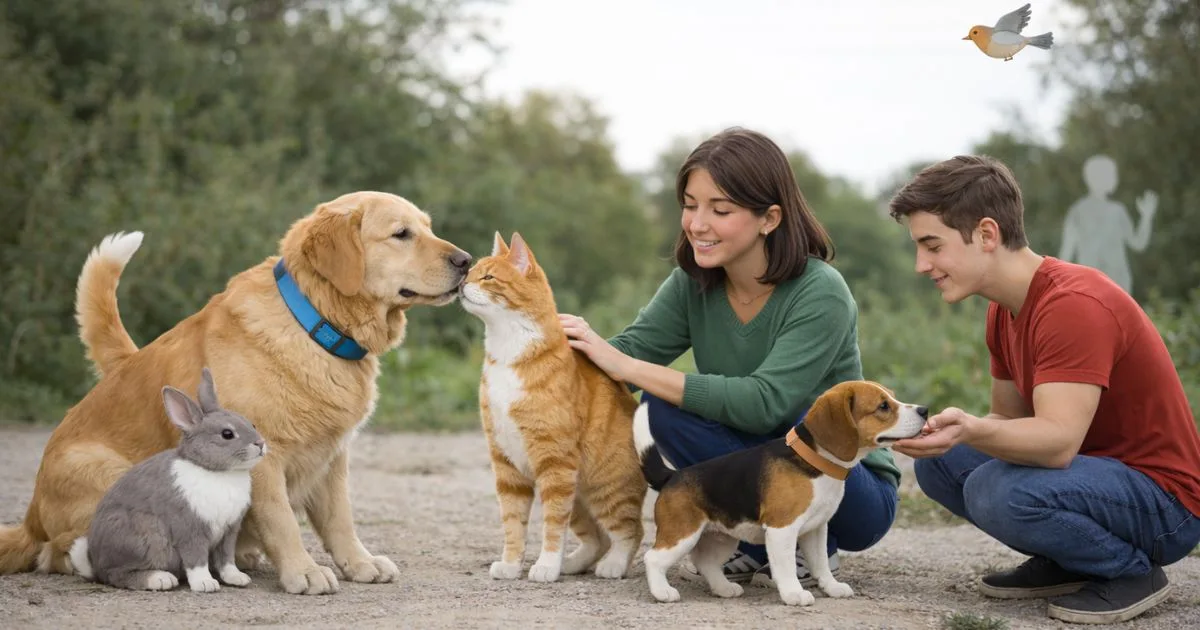
Socializing your dog with other pets and people is one of the most crucial aspects of dog training and puppy care. It not only helps prevent undesirable behaviors such as aggression, fear, or separation anxiety but also contributes to your dog’s overall well-being and happiness. Proper socialization ensures that your dog learns how to interact with people and other pets in a calm and controlled manner.
Whether you’re introducing your dog to new people, other animals, or unfamiliar environments, the process of socializing your dog will help them become more confident and adaptable. In this guide, we’ll dive into actionable dog behavior tips, essential training tips, and the step-by-step process to make socializing your dog a positive experience. By following these steps, you can address issues like anxiety, fear, or unruly behavior while creating a friendly, well-adjusted companion.
Why Socializing Your Dog is Essential
Socialization is not just about getting your dog used to being around others. It helps prevent behavioral issues such as fear-based aggression, excessive barking, or anxiety. A well-socializedis more likely to adapt to new environments, people, and other pets without stress or aggression.
But what happens when your isn’t socialized properly?
Dogs that are poorly socialized may:
- React fearfully or aggressively to strangers or other animals
- Have difficulty adapting to changes in routine or environment
- Struggle with separation anxiety
By properly socializing your , you can avoid these issues and ensure that they are comfortable and well-behaved in all situations.
Understand Your Dog’s Temperament
Before you begin socializing your , it’s important to understand their personality. Some dogs are naturally more outgoing, while others are more reserved or shy. The key is to tailor your approach to your dog’s temperament and work at their pace.
Pro Tip:
If your dog is particularly shy or fearful, start with smaller, less intimidating encounters—like meeting one calm dog or person at a time.
10 Basic Steps to Socializing Your Dog
Socializing your is essential for their well-being, confidence, and the development of positive behaviors. Whether you’re introducing your to new people, pets, or environments, following these steps will ensure that the process is smooth and stress-free for both you and your dog
.
Start Early
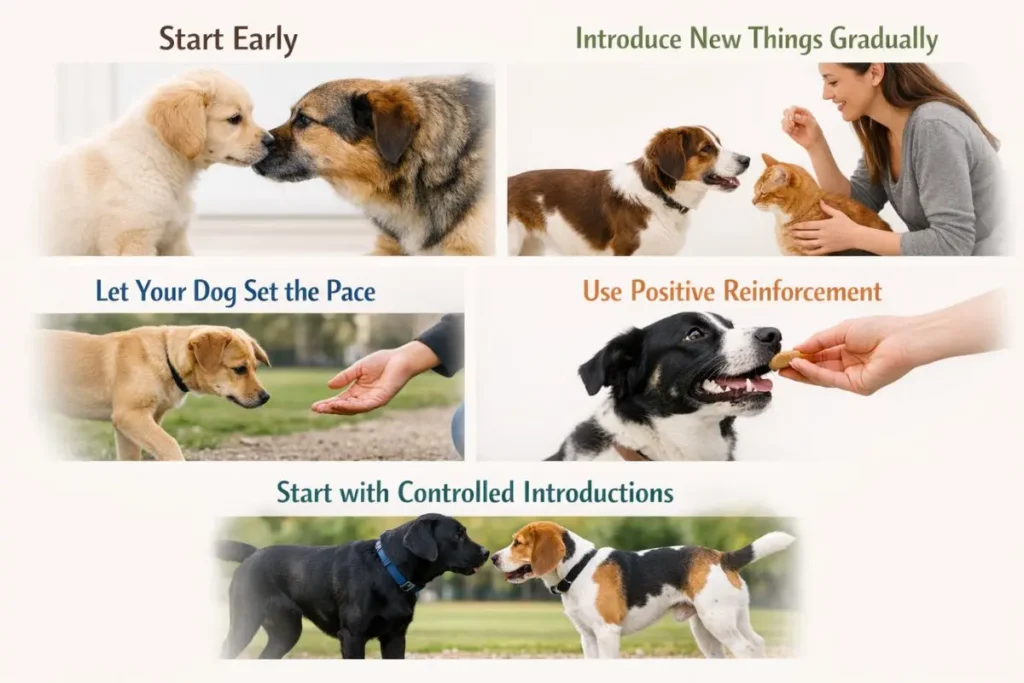
The earlier you start, the better. Puppies are most receptive to socialization between 3 to 14 weeks old, but it’s never too late to socialize an adult dog. The earlier you begin, the more likely your will grow up confident around other pets and people. However, for older dogs, patience and gradual exposure will be key.
Introduce New Things Gradually
Avoid overwhelming your dog by introducing new people, pets, and places gradually. Start with one person or one at a time, and avoid crowded or chaotic environments initially. This keeps your dog from feeling overstimulated and ensures a positive experience.
Let Your Dog Set the Pace
Never rush your dog during interactions. Some dogs are naturally more confident, while others may need more time. Allow your to approach new people and animals at their own pace. If they seem anxious, give them space and try again later.
Use Positive Reinforcement
Reward your dog with treats and praise whenever they show calm behavior during socialization. Positive reinforcement helps them associate social situations with rewards, making them more eager to participate in future interactions.
Start with Controlled Introductions
When introducing your dog to other pets, start with calm, well-behaved . A good way to introduce pets is in a neutral space where neither animal feels territorial. For example, introduce them in an open park or in a friend’s yard.
Expose Your Dog to Various Environments
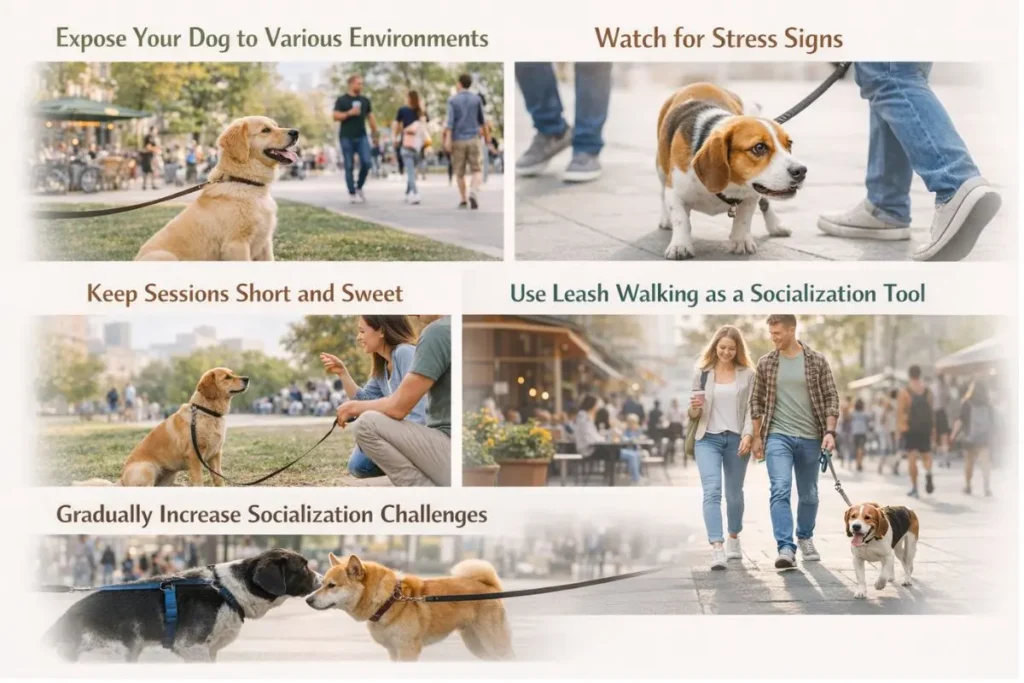
Socialization isn’t just about people and other pets—exposing your dog to different environments (like parks, busy streets, and quiet cafes) will help them adjust to new situations. Gradually expose them to these places, increasing the level of distraction as they grow more comfortable.
Watch for Stress Signs
Keep an eye on your dog’s body language. Signs of stress, like panting, shaking, growling, or retreating, indicate that your dog may be feeling overwhelmed. If you notice these signs, take a break and allow your to calm down. Avoid forcing interactions when your shows discomfort.
Keep Sessions Short and Sweet
Initially, socialization sessions should be short—no more than 10 to 15 minutes per session. If your dog behaves well, always end the session on a positive note. Gradually lengthen sessions as your gains confidence.
Use Leash Walking as a Socialization Tool
Leash walking is one of the most effective ways to expose your dog to new people and other animals. Keep the leash loose, and practice walking past people, dogs, and distractions. Reward your dog for staying calm during these walks.
Gradually Increase Socialization Challenges
Once your dog is comfortable in familiar situations, gradually increase the challenge. Start visiting busier areas with more people and animals. This progressive exposure helps your dog remain calm even in stimulating environments.
Common Mistakes
Rushing the Process
It’s tempting to introduce your dog to as many people or animals as possible to speed up the process. However, forcing your dog into uncomfortable situations can lead to fear, stress, and even aggressive behaviors. Always let your set the pace.
Punishing Fearful Behavior
Many dog owners make the mistake of scolding or punishing their dog when they show fear or anxiety. Instead of scolding, redirect their attention or provide reassurance. Punishment will only make your dog more anxious.
Ignoring Body Language
Understanding your dog’s body language is key to successful socialization. If your dog is showing signs of stress, like panting, whining, or avoiding eye contact, give them space and try again later. Pushing a stressed into an uncomfortable situation can undo your socialization efforts.
Pro-Level Tips for Successful Socialization
Use Controlled Environments
If you’re socializing your dog with other pets, start in controlled, quiet environments like your home or a calm park. This reduces distractions and allows both animals to focus on each other.
Set Up Positive Playdates
Arrange playdates with calm and friendly dogs. This gives your dog the opportunity to interact with other pets in a positive, low-stress environment. Keep the playdates short and end on a positive note so your leaves feeling confident.
Gradually Expose to Different Environments
Expose your dog to various places and people, from parks to cafes to busy streets. This helps them adapt to different environments and reduces the likelihood of fear-based behavior.
Example: If your dog struggles with walking in crowded areas, take them to a quieter spot first. Gradually work your way up to busier places while rewarding calm behavior.