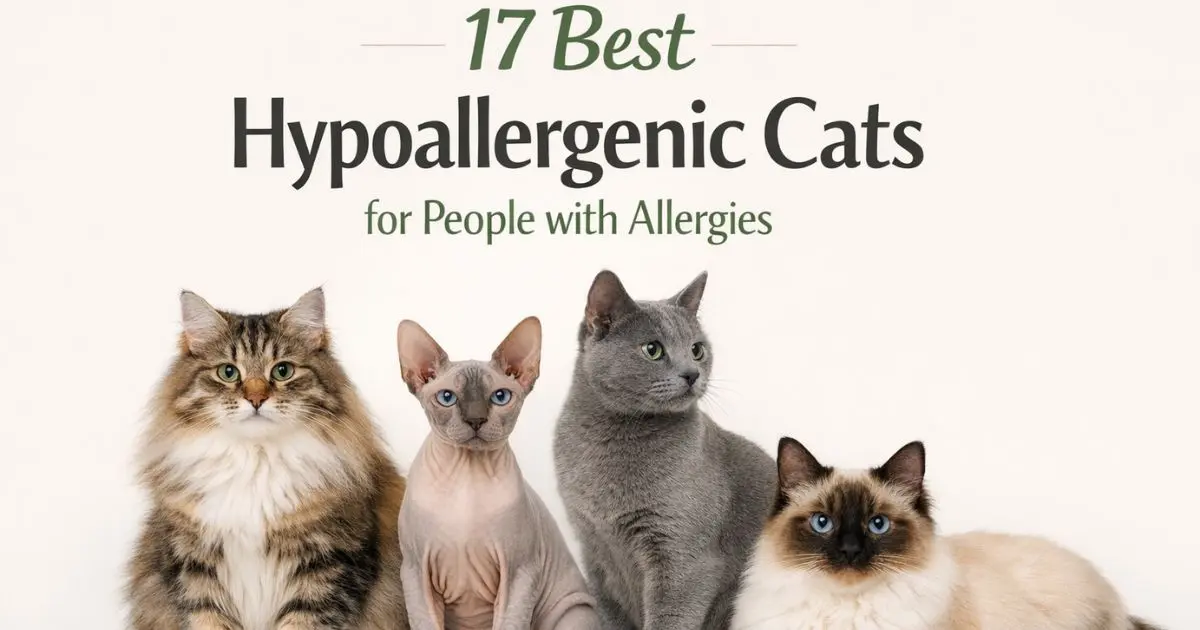
If you’re someone who dreams of having a cat but finds yourself struggling with cat allergies, you’re not alone. Many potential cat owners who are allergic to cats believe they have to give up on the idea of having a furry companion, but there’s hope: hypoallergenic cats. While no cat is entirely free of allergens, hypoallergenic cats produce fewer allergens, which can significantly reduce the chances of an allergic reaction.
These cats can make owning a cat possible for those with cat sensitivities or allergies. In this post, we will explore the best hypoallergenic cat breeds for people with allergies, provide practical advice on managing allergic reactions, and offer tips to help you enjoy the companionship of a hypoallergenic cat.
What Makes a Cat Hypoallergenic?
Before jumping into the best hypoallergenic cat breeds, it’s essential to understand what “hypoallergenic” means in the context of cats. While no cat breed is 100% free of allergens, the term “hypoallergenic” refers to cats that produce fewer allergens than others. The main allergens responsible for cat allergies are proteins found in a cat’s saliva, skin cells (dander), and urine.
The Fel d 1 protein is the primary allergen found in cat saliva and skin, and it is responsible for most allergic reactions. When a cat grooms itself, the Fel d 1 protein in its saliva gets transferred to the fur, and as the cat sheds, the allergen spreads throughout your environment.
Best Hypoallergenic Cat Breeds
There are several cat breeds that produce fewer allergens, making them better suited for people with allergies. While no cat is truly allergy-proof, these breeds tend to be the best for allergy sufferers due to their genetic makeup.
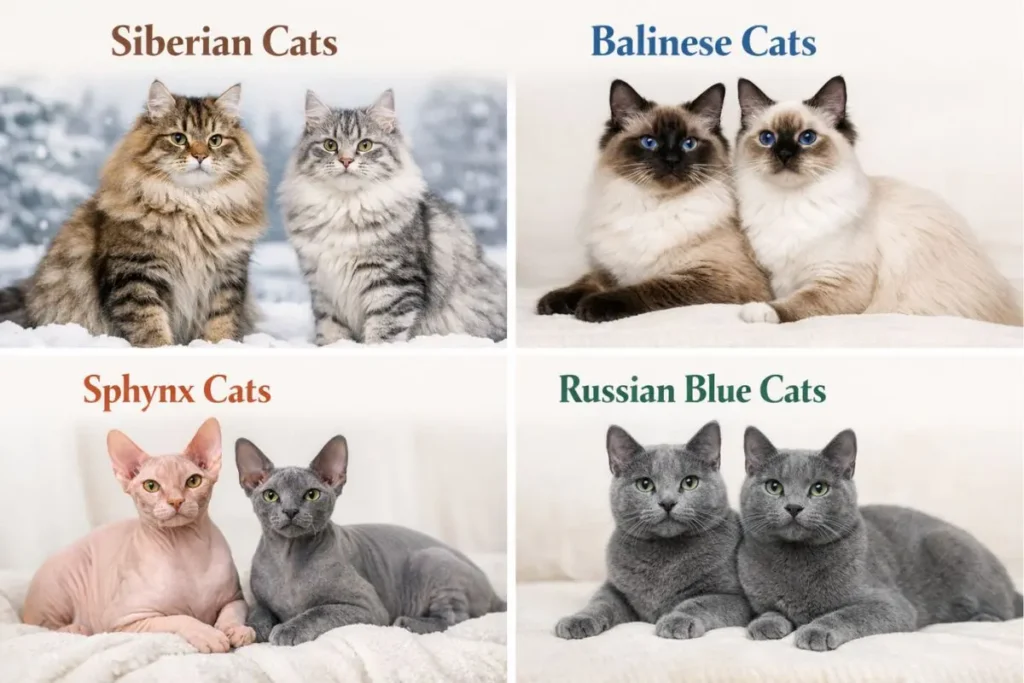
Siberian Cats
Siberian cats are often regarded as one of the best hypoallergenic breeds. Native to Russia, these cats are known for their thick, luxurious coats. Despite their long fur, Siberians tend to produce less of the Fel d 1 protein compared to other cats. They also shed less, which further minimizes the spread of allergens. Siberians are playful, affectionate, and form strong bonds with their families.
Why Siberian Cats Are Great for Allergy Sufferers:
- Lower Fel d 1 protein production: This helps reduce allergic reactions.
- Low shedding: Less shedding means fewer allergens in the environment.
- Friendly and playful: Siberians are affectionate, making them wonderful companions for families and individuals alike.
Balinese Cats
Balinese cats are long-haired Siamese cats, often referred to as the “long-haired Siamese.” These cats are not only striking in appearance, but they also produce fewer allergens compared to other long-haired breeds. With their silky coats and low shedding, Balinese cats are a great choice for people with allergies. They are social and very vocal, forming deep bonds with their human companions.
Why Balinese Cats Are Great for Allergy Sufferers:
- Lower Fel d 1 protein production: This reduces the likelihood of allergic reactions.
- Silky, low-shedding coat: Their hair doesn’t shed as much as other long-haired breeds, which helps reduce the amount of dander.
- Highly social: Balinese cats love interaction and thrive on human companionship, making them perfect for families or individuals who are home often.
Sphynx Cats
Sphynx cats are unique because they are hairless, which greatly reduces the amount of shedding and dander in the environment. However, they still produce allergens through their skin, so regular bathing is required to remove oils and dead skin. Sphynx cats are known for being very social, affectionate, and playful, making them excellent companions for people with allergies.
Why Sphynx Cats Are Great for Allergy Sufferers:
- Hairless: Fewer allergens are released into the air due to the lack of fur.
- Regular bathing needed: Bathing removes oils and dead skin cells that can trap allergens.
- Affectionate and social: Sphynx cats love attention and are known for being extremely friendly and interactive with their owners.
Russian Blue Cats
Russian Blue cats are well-loved for their beautiful blue-gray coats and gentle, quiet nature. These cats are hypoallergenic because they produce less Fel d 1 protein than many other breeds. Their short, dense coat sheds minimally, which helps keep allergens under control. Russian Blues are calm, affectionate, and can form strong bonds with their families.
Why Russian Blue Cats Are Great for Allergy Sufferers:
- Lower Fel d 1 protein production: This helps to reduce allergic reactions.
- Minimal shedding: Their dense coat doesn’t shed much, which helps reduce the spread of dander in the home.
- Calm and affectionate: Russian Blues are gentle and form deep connections with their human companions, making them excellent pets for those with allergies.
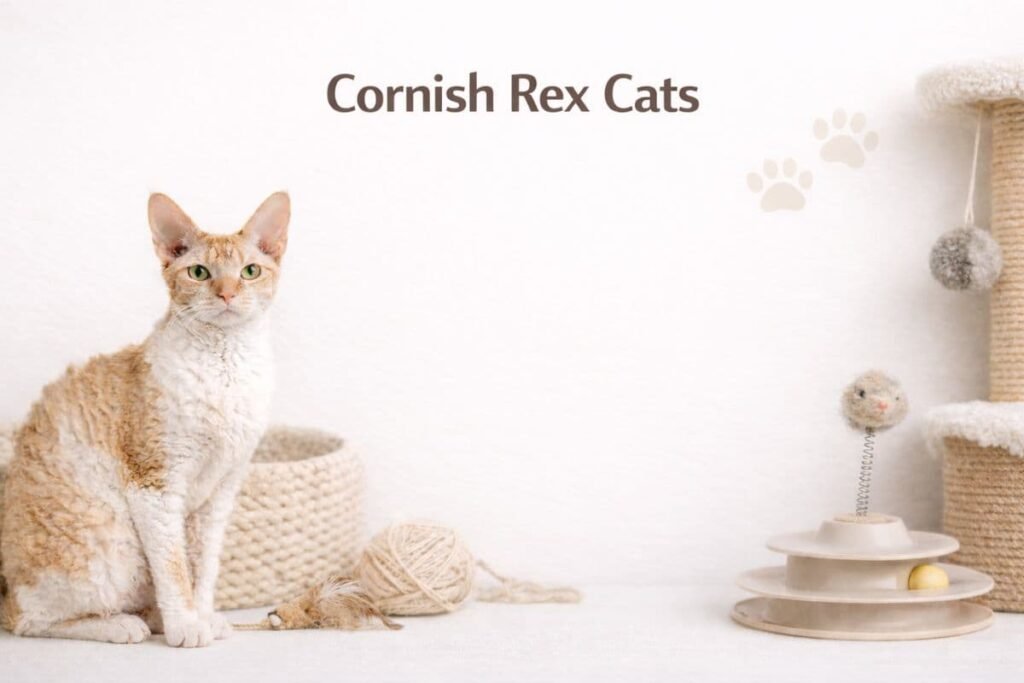
Cornish Rex Cats
The Cornish Rex is known for its curly, soft coat, which sheds very little, making it an excellent hypoallergenic choice. These cats are highly social and playful, and they love being involved in family activities. Their minimal shedding and low dander production make them a great option for allergy sufferers.
Why Cornish Rex Cats Are Great for Allergy Sufferers:
- Curly coat: Their unique curly coat sheds very little, reducing the spread of allergens.
- Minimal shedding: Their soft coat sheds far less than other cats, helping keep dander in check.
- Playful and affectionate: Cornish Rex cats love to interact with people, making them perfect for families who are looking for an active and affectionate companion.
Devon Rex Cats
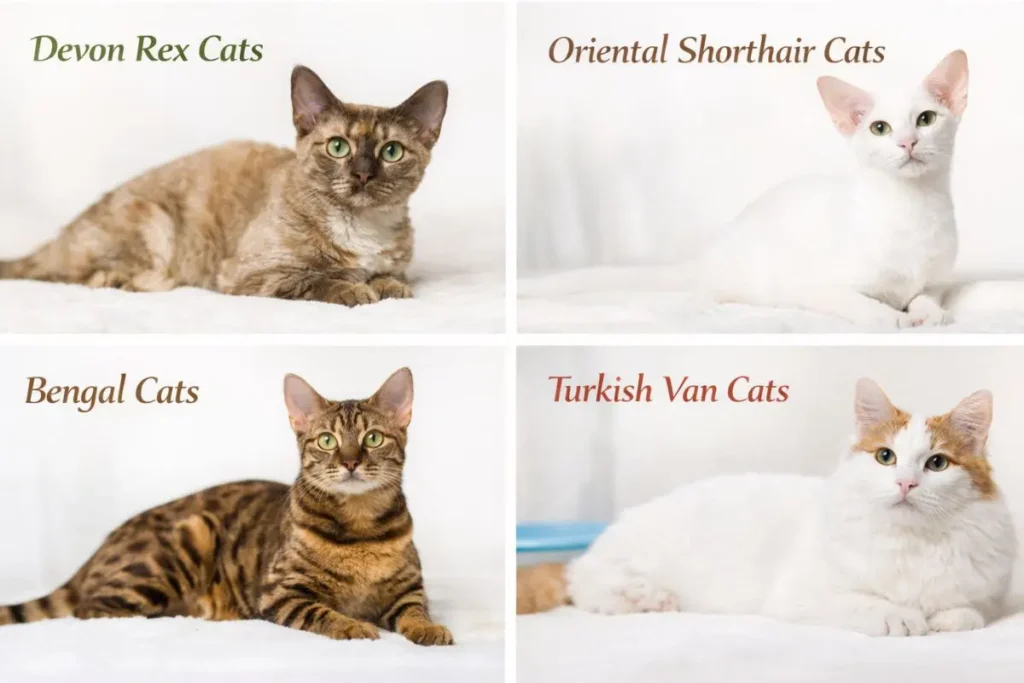
Devon Rex cats have a short, curly coat that sheds very little, making them another excellent choice for people with allergies. Their unique appearance and mischievous, playful personalities set them apart. These cats enjoy being around people and are often described as “dog-like” in their need for attention and companionship.
Why Devon Rex Cats Are Great for Allergy Sufferers:
- Curly coat: Their soft, curly fur reduces shedding and dander production.
- Minimal shedding: Devon Rex cats shed very little, helping reduce allergen levels in the home.
- Mischievous and affectionate: These playful cats love to interact and form strong bonds with their owners.
Oriental Shorthair Cats
The Oriental Shorthair is similar to the Siamese but has a sleek, short coat that sheds very little. They produce fewer allergens than many other cats, making them a suitable option for allergy sufferers. These cats are intelligent, energetic, and social, and they love being part of the family.
Why Oriental Shorthair Cats Are Great for Allergy Sufferers:
- Short, sleek coat: Their short coat sheds minimally, which helps to keep allergens down.
- Less Fel d 1 production: These cats produce fewer allergens compared to most other cats.
- Energetic and social: Oriental Shorthairs are playful and affectionate, often seeking attention from their human companions.
Bengal Cats
Bengal cats have a unique, wild look thanks to their spotted or marbled coat. Despite their exotic appearance, Bengals produce fewer allergens than most other cats. They are high-energy cats that need plenty of stimulation and exercise. While they are active, Bengals also enjoy spending time with their families.
Why Bengal Cats Are Great for Allergy Sufferers:
- Short, low-shedding coat: Their sleek, short coat doesn’t shed much, which helps keep allergens at bay.
- Energetic and playful: Bengals are active cats that thrive in households with plenty of space and stimulation.
- Affectionate with owners: Despite their wild appearance, Bengals are known to be affectionate and enjoy spending time with their human companions.
Turkish Van Cats
The Turkish Van is a large, strong breed with a thick coat that sheds very little. These cats are often referred to as “the swimming cat” due to their love for water. While their long fur might seem like a problem, Turkish Vans produce fewer allergens compared to other long-haired breeds. They are independent but also form strong bonds with their owners.
Why Turkish Van Cats Are Great for Allergy Sufferers:
- Minimal shedding: Their long, thick coat sheds minimally.
- Low Fel d 1 production: These cats produce fewer allergens than most long-haired breeds.
- Love of water: Turkish Vans are playful and love water, making them an interesting and active companion.
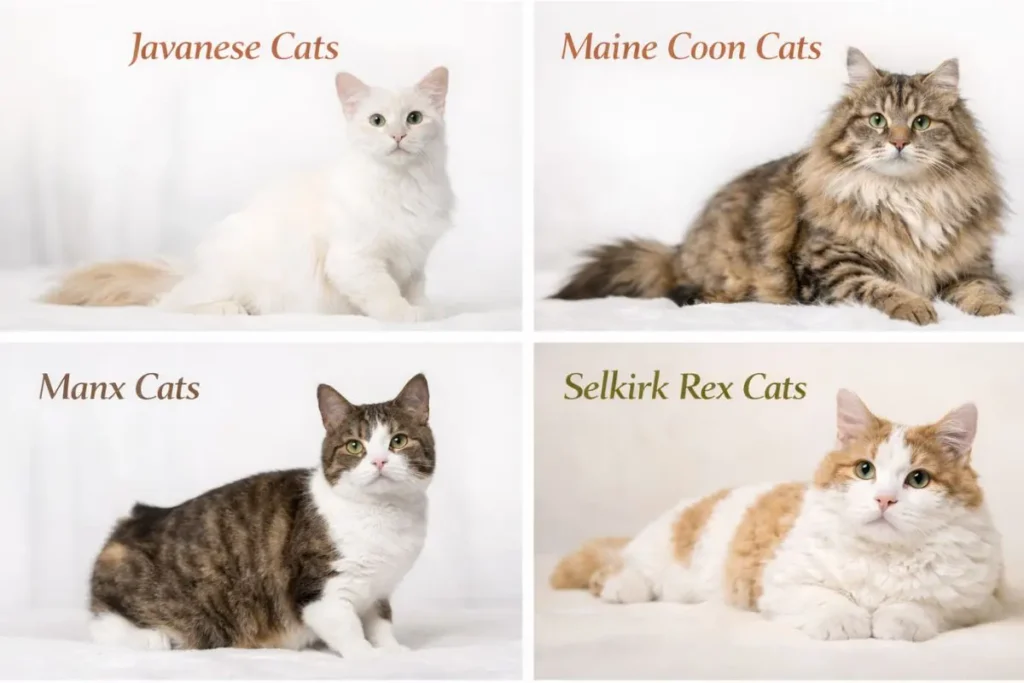
Javanese Cats
Javanese cats are closely related to the Balinese breed and share similar hypoallergenic qualities. They have a silky coat that sheds minimally, and they are known for their intelligence and curiosity. Javanese cats are social and enjoy being around people, often forming strong attachments to their owners.
Why Javanese Cats Are Great for Allergy Sufferers:
- Silky, low-shedding coat: Their long, silky coat sheds minimally and doesn’t produce much dander.
- Active and social: Javanese cats enjoy being around their human companions and are very interactive.
- Highly intelligent: Javanese cats are known for their problem-solving abilities and curiosity.
Maine Coon Cats
Maine Coons are one of the largest domestic cat breeds, but despite their size and long fur, they are relatively hypoallergenic. Their dense coats shed minimally, and they produce fewer allergens than most long-haired cats. Maine Coons are friendly, gentle, and great with children, making them an excellent choice for families.
Why Maine Coon Cats Are Great for Allergy Sufferers:
- Long, thick coat: Their long fur sheds minimally, which helps reduce allergens in the home.
- Friendly and gentle: Maine Coons are known for their calm and affectionate nature.
- Good with kids and pets: Maine Coons are great for families, including those with other pets or young children.
Manx Cats
Manx cats are known for their taillessness or short tails. They have a dense, short coat that sheds minimally, and they produce fewer allergens than many other cats. Manx cats are friendly, playful, and get along well with children and other pets.
Why Manx Cats Are Great for Allergy Sufferers:
- Short, dense coat: Their coat sheds minimally, which helps to reduce the spread of allergens.
- Minimal shedding: Manx cats produce less dander than many other breeds.
- Playful and friendly: They are social, friendly cats that enjoy interacting with their human companions.
Selkirk Rex Cats
Selkirk Rex cats have a soft, curly coat that sheds very little, making them ideal for allergy sufferers. These cats are known for their laid-back nature and love for cuddling. They are very affectionate and enjoy spending time with their human companions.
Why Selkirk Rex Cats Are Great for Allergy Sufferers:
- Curly coat: Their soft, curly fur reduces shedding and dander production.
- Minimal shedding: Selkirk Rex cats shed very little, helping reduce allergen levels in the home.
- Calm and affectionate: These cats love cuddling and are perfect for people who want a companion to relax with.
Savannah Cats
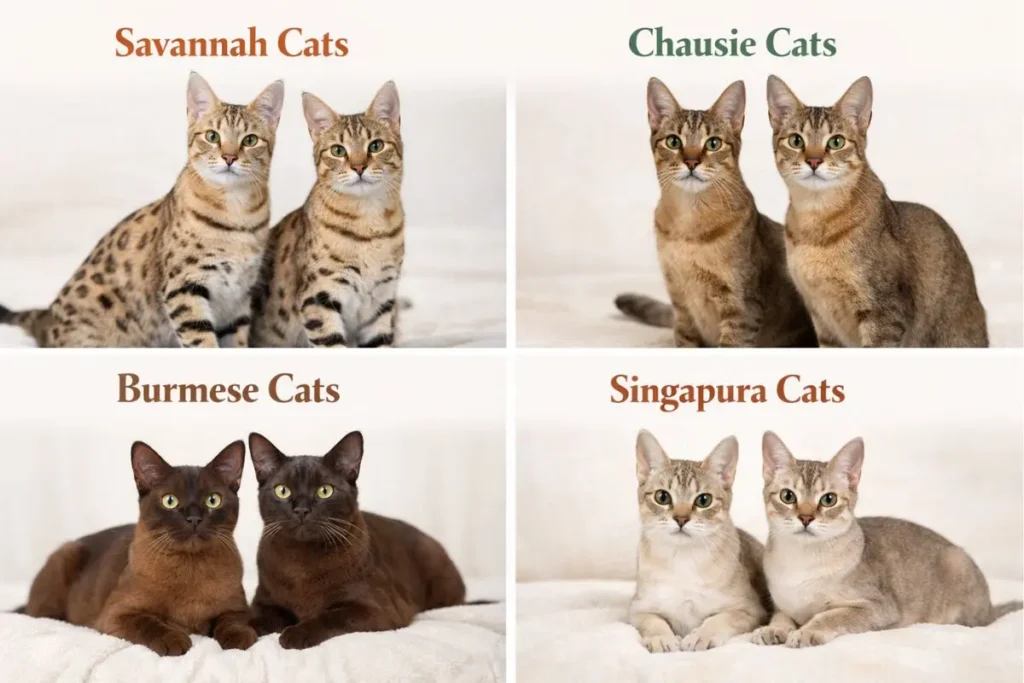
The Savannah cat is a hybrid breed, a mix between a domestic cat and a wild serval. These wild-looking cats have short, low-shedding coats and produce fewer allergens. They are energetic, intelligent, and require a lot of stimulation. While they need plenty of space and activity, they are also affectionate with their families.
Why Savannah Cats Are Great for Allergy Sufferers:
- Short, low-shedding coat: Their coat sheds very little, making them a good hypoallergenic option.
- Energetic and intelligent: Savannah cats require plenty of mental stimulation and love to explore.
- Affectionate: Despite their wild appearance, they bond strongly with their human companions.
Chausie Cats
Chausie cats are another hybrid breed that combines wild servals and domestic cats. They have short, low-shedding coats, and while they still produce some allergens, they are typically a good option for allergy sufferers. Chausie cats are active, intelligent, and require a lot of stimulation. They have strong hunting instincts and love to explore their environment.
Why Chausie Cats Are Great for Allergy Sufferers:
- Short, sleek coat: Their coat sheds minimally, reducing the spread of dander.
- Playful and independent: Chausie cats are highly energetic and intelligent, making them an excellent choice for active households.
- Hybrid nature: Their wild serval genes contribute to their reduced allergen production.
Burmese Cats
Burmese cats have a sleek, short coat that produces fewer allergens. They are affectionate, friendly, and love to interact with their owners. Burmese cats are also known for their playful and gentle nature, making them excellent companions for families.
Why Burmese Cats Are Great for Allergy Sufferers:
- Short, low-shedding coat: Their coat sheds minimally and doesn’t release much dander.
- Affectionate and friendly: Burmese cats are loving and enjoy spending time with their humans.
- Gentle and playful: These cats are ideal for families with children or other pets.
Singapura Cats
The Singapura is one of the smallest cat breeds, with a short, fine coat that sheds minimally. They are playful, curious, and social, often bonding strongly with their human companions. Singapura cats are known for their intelligence and adaptability.
Why Singapura Cats Are Great for Allergy Sufferers:
Playful and social: Singapura cats love to interact with their families and are very affectionate.
Small size: Their small size and low shedding make them easy to care for.
Short, fine coat: The Singapura’s fine coat sheds very little, keeping allergens to a minimum.
Tips for Minimizing Allergens at Home
To make your home even more hypoallergenic-friendly, follow these additional steps:
- Regular grooming: Brush your cat’s coat frequently to reduce shedding.
- Invest in air purifiers: HEPA filters can help remove allergens from the air.
- Create allergen-free zones: Keep your bedroom or specific areas cat-free to reduce exposure.
Common Mistakes
While hypoallergenic cats can reduce allergic reactions, there are still some common mistakes allergy sufferers make when living with a cat.
Neglecting Grooming
Even hypoallergenic cats need regular grooming. Skipping grooming sessions can lead to an increase in dander and fur buildup in your home, which can worsen allergies.
Assuming Hypoallergenic Means No Allergies
While hypoallergenic cats produce fewer allergens, they’re not entirely allergen-free. It’s important to take proactive steps to manage allergies, such as regular cleaning and grooming.
Not Cleaning Your Home Enough
Regular cleaning is crucial to minimize allergens. Vacuuming, washing bedding, and cleaning surfaces can help reduce the spread of allergens in your home.