As a first-time dog owner, one of the most important things you can do for your dog’s health is to make sure they’re properly vaccinated. Vaccinations are essential for your dog’s long-term health, preventing potentially life-threatening diseases and helping them live a full, happy life. But if you’re not familiar with how vaccinations work or why they’re important, you might find yourself feeling a little confused. Don’t worry — this post will guide you through everything you need to know about vaccinating your dog, what they need, and how to make sure they stay safe and healthy.
Why Are Vaccinations Crucial for Your Dog?
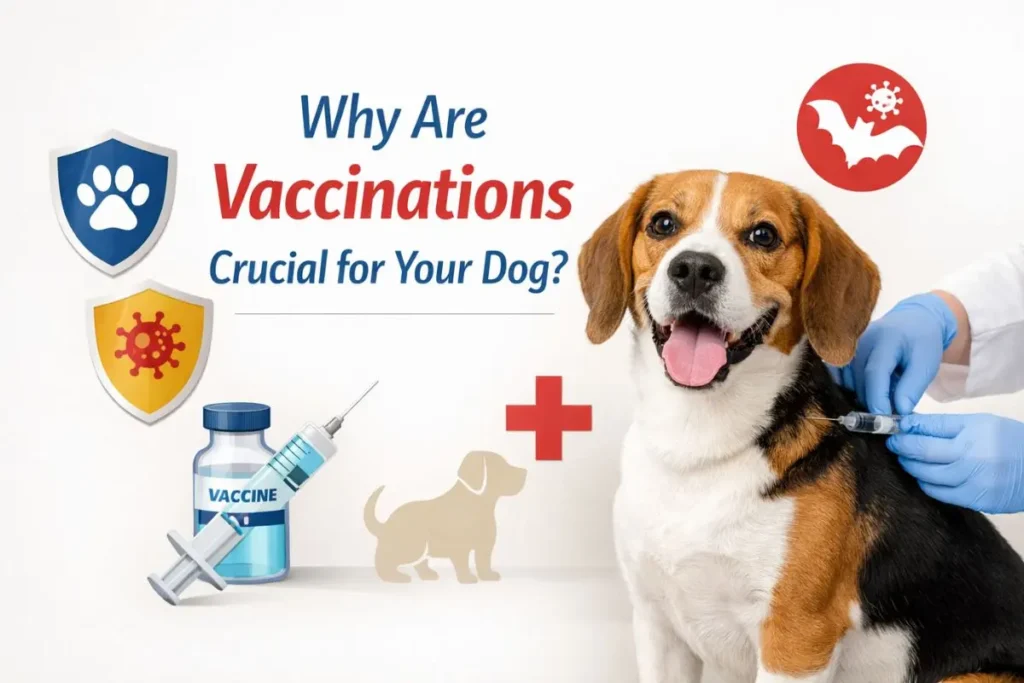
Every dog, regardless of breed or size, needs to be vaccinated to protect them from deadly diseases. While some diseases are rare, they can spread quickly, especially if your dog interacts with others in places like parks or doggy daycare. Vaccines work by training your dog’s immune system to recognize harmful pathogens, so it can fight them off before they take hold.
Without the right vaccinations, your dog is vulnerable to diseases like rabies, parvovirus, and distemper, which are not only dangerous but also expensive to treat.
Core Vaccines
When it comes to your dog’s vaccinations, there are core vaccines — these are the must-have shots that every dog should receive to keep them safe. The American Animal Hospital Association (AAHA) and the American Veterinary Medical Association (AVMA) have identified the following core vaccines for dogs:

Rabies Vaccine
Rabies is a fatal viral disease that affects the nervous system. It can be transmitted through bites from infected animals, and because it can spread to humans, it is often a legal requirement for all dogs. Puppies typically receive their first rabies shot between 12 and 16 weeks of age, with booster shots given every 1–3 years depending on local laws and your vet’s advice.
- Why it matters: Rabies is nearly always fatal, and since it can be passed to humans, vaccinating your dog is not just for their protection but for your safety, too.
Canine Parvovirus
Parvovirus is one of the most contagious and dangerous diseases for dogs, particularly puppies. It attacks the digestive system, leading to severe dehydration, vomiting, and diarrhea, which can be fatal if not treated immediately.
- Why it matters: Parvovirus spreads easily through feces, and infected dogs can shed the virus in the environment. It’s important to vaccinate your dog early to avoid the risk of exposure.
Canine Distemper
Distemper is a viral disease that affects a dog’s respiratory, gastrointestinal, and nervous systems. It spreads through the air and direct contact with infected dogs.
- Why it matters: Distemper is a serious disease that can cause permanent neurological damage and is often fatal. Vaccinating your dog protects them from this highly contagious virus.
Canine Adenovirus (Hepatitis)
Adenovirus causes hepatitis, which affects the liver. This disease can lead to fever, abdominal pain, jaundice, and liver failure if not treated in time.
- Why it matters: Hepatitis can lead to organ damage, and vaccination is the best way to ensure your dog remains healthy.
Bordetella (Kennel Cough)
Bordetella is a bacterial infection that causes coughing, sneezing, and nasal discharge. While not always necessary for every dog, the Bordetella vaccine is recommended if your dog will be in high-risk environments such as dog parks, grooming salons, or boarding facilities.
- Why it matters: Kennel cough is highly contagious and can make your dog feel miserable, though it’s usually treatable. Vaccinating against Bordetella can prevent an outbreak in communal settings.
The Right Vaccine Schedule
Puppy Vaccination Schedule
When you bring your new puppy home, they’ll need a series of vaccines to protect them from these diseases. Typically, the puppy vaccination schedule looks like this:
- First round: 6-8 weeks old – Canine Distemper, Parvovirus, Adenovirus
- Second round: 10-12 weeks old – Boosters for Distemper, Parvovirus, Adenovirus
- Third round: 14-16 weeks old – Final boosters for Distemper, Parvovirus, Adenovirus, and Rabies
- Boosters: 1 year after initial shots and then every 1–3 years, depending on the vaccine type.
Adult Dog Vaccine Schedule
For dogs over a year old, they’ll need booster vaccines to maintain their immunity. Your vet will recommend a schedule for your dog’s specific needs. Some vaccines are required annually, while others, like rabies, are given every 1–3 years.
Common Mistakes
While it’s clear that vaccines are essential, there are common mistakes that many dog owners make when it comes to vaccinations. Let’s go over the most important ones:
Skipping Booster Shots
Vaccination is not a one-time event. Booster shots are critical to maintaining immunity. Skipping boosters could leave your dog unprotected, especially as their immunity starts to wane.
- Solution: Follow the vaccination schedule provided by your vet. Set reminders to keep your dog’s vaccinations up-to-date.
Assuming Indoor Dogs Don’t Need Vaccines
Even if your dog spends most of their time indoors, they still need vaccines. Diseases like parvovirus and distemper can be spread indoors, especially in places where other dogs frequent (vets, grooming centers).
- Solution: Don’t assume that an indoor lifestyle negates the need for vaccines. Always get your dog vaccinated, regardless of their activity level.
Not Following Your Vet’s Advice
Every dog is unique. Some dogs might need special care or have medical conditions that require a tailored vaccination schedule.
- Solution: Always follow your vet’s advice regarding vaccination schedules, especially if your dog has specific health needs or concerns.
Delaying Vaccinations
Delaying vaccinations can expose your dog to preventable diseases. Puppies need early vaccinations to develop immunity before they are exposed to dangerous viruses and bacteria.
- Solution: Start your puppy’s vaccination schedule as soon as possible. Don’t delay, as early vaccinations are key to keeping them protected.
Non-Core Vaccines
While core vaccines are a must for every dog, non-core vaccines are recommended based on your dog’s specific lifestyle, risk factors, or environment. These vaccines help protect against less common but still serious diseases. Knowing whether your dog needs them can help you make the best health choices.
What Are Non-Core Vaccines?
Non-core vaccines are optional and usually recommended for dogs at higher risk due to their age, activity, location, or environment. These vaccines are not necessary for every dog, but can be vital for those exposed to certain risks.
Common Non-Core Vaccines

- Bordetella (Kennel Cough)
A contagious bacterial infection causing coughing and sneezing. Common in dog parks, kennels, and grooming salons.
Why it matters: If your dog interacts with other dogs in communal spaces, consider this vaccine. - Leptospirosis
A bacterial disease affecting the liver and kidneys, spread through contaminated water, soil, or animal urine.
Why it matters: It can also be transmitted to humans. Consider the vaccine if your dog swims in natural bodies of water or has contact with wild animals. - Canine Influenza (Dog Flu)
A contagious respiratory disease causing coughing and fever, common in crowded environments like shelters or dog parks.
Why it matters: If your dog is often around other dogs, this vaccine can prevent illness in high-risk areas. - Borrelia (Lyme Disease)
A bacterial infection spread by ticks, leading to symptoms like fever, joint pain, and kidney damage.
Why it matters: If you live in an area with many ticks or your dog spends time in wooded areas, Lyme disease may be a concern.
When Should You Consider Non-Core Vaccines?
Decide based on:
- Your Dog’s Lifestyle: If they interact with other dogs often, vaccines like Bordetella or Canine Influenza might be needed.
- Environmental Factors: Dogs in tick-heavy or water-rich areas may need Leptospirosis or Lyme Disease vaccines.
- Age and Health: Puppies and senior dogs may need extra protection.
- Regional Considerations: Some vaccines are recommended depending on your location.
Common Mistakes
- Assuming All Dogs Need Them: Not every dog requires these vaccines. Consult with your vet to determine necessity.
- Forgetting High-Risk Activities: If your dog visits dog parks or interacts with many others, consider vaccines for diseases like Kennel Cough.
- Not Updating Vaccines: Like core vaccines, non-core vaccines also need boosters. Keep up with these for ongoing protection.
How to Decide If Your Dog Needs Non-Core Vaccine
Consult your vet to consider:
- Breed: Certain breeds are more prone to specific diseases.
- Age: Puppies and seniors may need extra vaccines.
- Health Conditions: Pre-existing health issues might influence vaccination needs.
- Location: Diseases vary by region, so vaccination recommendations depend on where you live.
Expert Tips for Keeping Your Dog Healthy
Vaccinations are just one part of your dog’s overall health plan. To keep your dog thriving, here are a few additional expert tips:
- Healthy Diet: Feed your dog a high-quality diet suited to their breed and life stage. Proper nutrition is key to supporting their immune system.
- Regular Exercise: Keep your dog active with daily walks, playtime, and mental stimulation. Exercise helps maintain their weight and overall health.
- Routine Vet Visits: Regular check-ups are essential for early detection of potential health issues, including heartworm, fleas, and ticks.
- Good Hygiene: Regular grooming and maintaining a clean environment will help prevent infections and skin diseases.