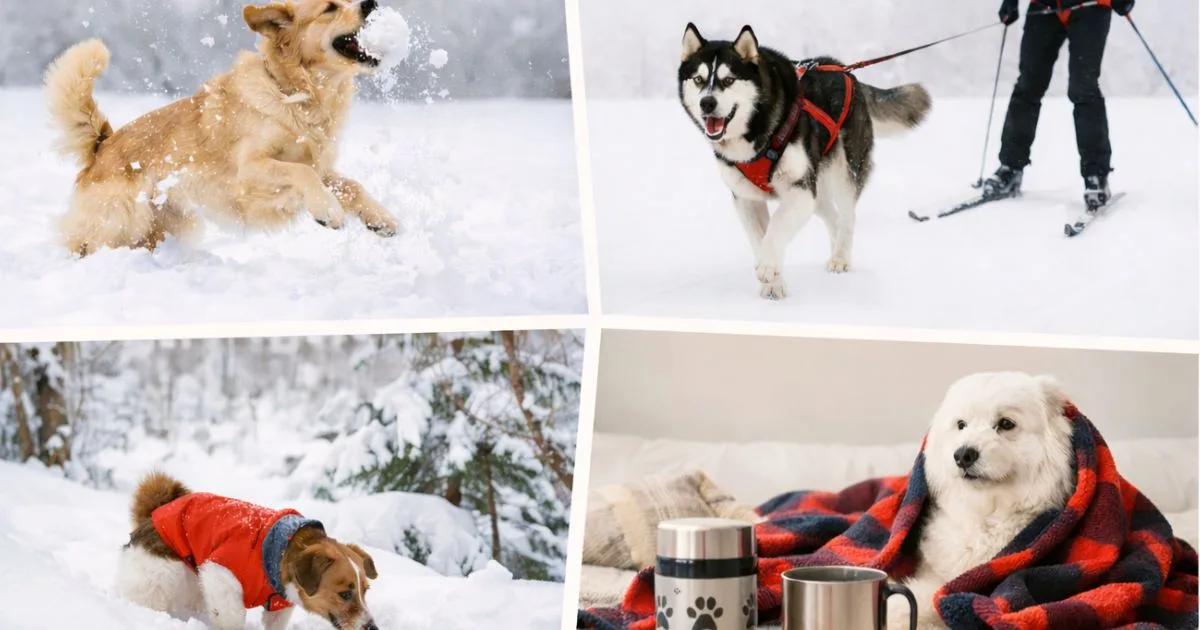
Winter can be an exciting season for dogs and their owners alike, but it also presents unique challenges, especially when it comes to keeping your dog active, safe, and comfortable in cold weather. As a first-time dog owner, you may feel uncertain about how to handle winter’s impact on your dog’s routine. The cold weather can limit outdoor activities, and if your dog isn’t used to snow or cold temperatures, it can be tough to know what to do. This article will guide you through some of the best winter activities for dogs, focusing on keeping them entertained, active, and happy during the colder months while also prioritizing their safety.
From fun snow games like snowball fetch to indoor activities that stimulate your dog’s mind and body, we’ll cover it all. Plus, we’ll address essential safety tips, such as how to protect your dog’s paws, avoid frostbite, and ensure they stay hydrated and warm. Whether you’re taking your dog on winter hikes or playing in the snow, this guide will help you navigate the challenges and make the most out of the winter season with your dog.
Winter Wellness: Issues for Dogs in Cold Weather
Winter brings a few common issues for dogs and their owners to navigate:
- Paw Protection: Snow and ice can cause discomfort or even injury to your dog’s paws if not properly protected.
- Decreased Exercise: Shorter, colder days can reduce the time spent outdoors, leading to a less active lifestyle.
- Reluctance to Play: Just like us, dogs may become more sluggish during winter and may resist outdoor activities.
Let’s take a look at how you can overcome these challenges and keep your dog both safe and engaged.
Winter Activities
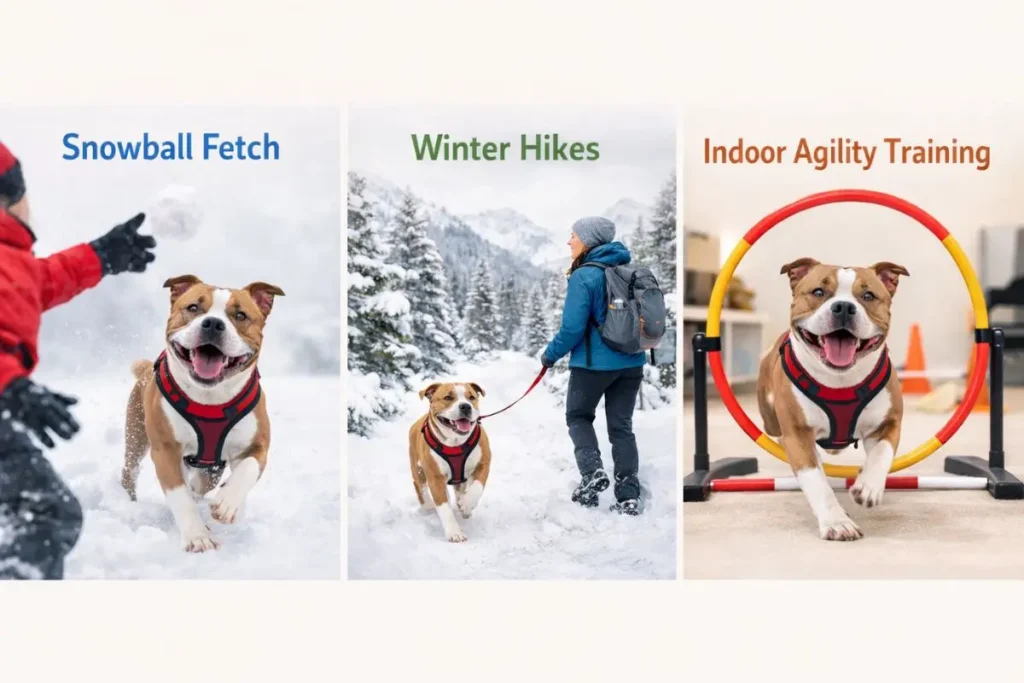
1 Snowball Fetch
If your dog loves to chase, snowball fetch is an exciting variation of regular fetch. Throw a snowball and watch your dog chase it down. This game can be as simple or as challenging as your dog enjoys.
Tips:
- Make sure the snow is clean and free of any harmful chemicals like road salt.
- If your dog is small or hesitant, start with small tosses to help them get used to the cold and snow.
- Avoid snowballs that are too hard, as they may cause dental damage.
2 Winter Hikes
Winter hikes can provide both you and your dog with a change of scenery while staying active. Explore snowy trails, enjoy fresh air, and have some fun outdoors. This is especially beneficial for dogs who enjoy exploring and getting new smells.
Tips:
- Stick to familiar trails where you know the terrain and potential hazards.
- Keep your dog on a leash, as trails may be harder to follow when covered in snow.
- Remember to check the weather before heading out—avoid hiking during extreme cold or storms.
3 Indoor Agility Training
When outdoor play isn’t possible, try setting up an indoor agility course. Use household objects like chairs, cushions, and boxes to create an obstacle course for your dog to navigate. This provides both mental and physical stimulation.
Tips:
- Keep training sessions short—10 to 15 minutes to prevent overexertion.
- Use positive reinforcement like treats or praise to encourage your dog through the course.
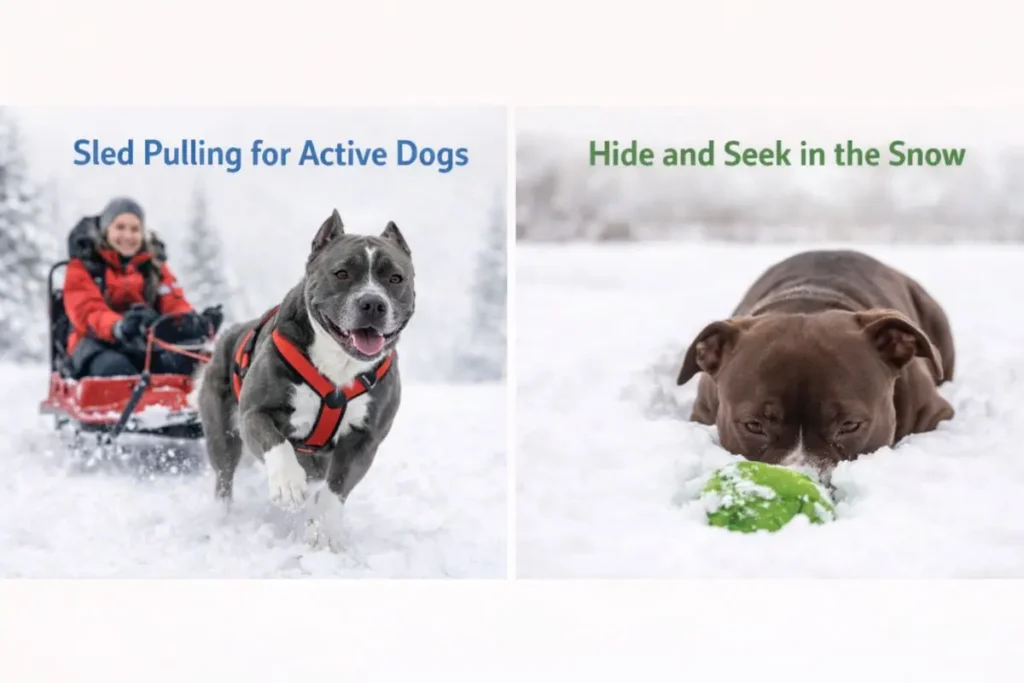
4 Sled Pulling for Active Dogs
If you have a strong, energetic dog, you might want to try sled pulling. Attach a lightweight sled to a harness, and let your dog pull it through the snow. This is a fantastic way to build strength and burn energy.
Tips:
- Use a properly fitted harness designed for pulling to ensure comfort and prevent injury.
- Start with light weights to ensure your dog isn’t overwhelmed, and always watch for signs of fatigue.
5 Hide and Seek in the Snow
For dogs who enjoy using their noses, snow-based hide and seek can be a fun and rewarding activity. Hide a toy or treat in the snow and let your dog sniff it out.
Tips:
- Make sure to choose a safe spot for hiding treats or toys, ensuring they won’t be buried too deeply in the snow.
- Start with easy-to-find spots, then gradually increase the difficulty as your dog gets the hang of it.
Essential Safety Tips
While winter activities are enjoyable, safety should always be a top priority. Follow these key tips to keep your dog safe and healthy during the colder months.
Protect Your Dog’s Paws
Snow, ice, and salt can cause irritation or even injuries to your dog’s paws. Invest in dog boots to protect them from the cold. If your dog is not a fan of boots, try applying paw balm to keep the paws moisturized and shielded from rough surfaces.
Keep Them Warm
Dogs with short coats or small bodies can be more sensitive to the cold. Consider getting a cozy dog sweater or coat to help keep them warm, especially during walks. Long-haired or double-coated dogs like Huskies are more tolerant of cold but may still need extra warmth in extreme conditions.
Monitor for Frostbite
Frostbite is a serious concern, especially for dogs with less fur or sensitive skin. Be mindful of areas where frostbite is most likely—ears, paws, and tails are common spots. Limit outdoor exposure during extreme cold, and always check your dog after outdoor play.
Hydrate Your Dog
Even in winter, dogs need plenty of water to stay hydrated. After playing outside in the snow, be sure to provide fresh water to your dog, as they can easily become dehydrated, especially if they’ve been active.
Shorten Walks on Extreme Days
If the weather is particularly harsh, reduce your dog’s outdoor time. Shorter, more frequent walks are often better than one long walk. Pay attention to your dog’s behavior—if they seem uncomfortable or reluctant to go outside, it’s time to head indoors.
Common Mistakes
As a dog owner, there are a few common mistakes that can affect your dog’s well-being during the winter months:
Overexerting Your Dog in the Cold
While it’s tempting to let your dog run wild in the snow, overexertion in the cold can lead to exhaustion or injuries.
Solution: Keep play sessions short and always check your dog for signs of fatigue or discomfort. Offer them breaks in warm places to prevent overexertion.
Not Using Proper Paw Protection
Many first-time dog owners forget to protect their dog’s paws during winter. Salt and ice can cause irritation, and snow can build up between their toes, causing discomfort.
Solution: Use dog boots or paw balm, and make sure to check your dog’s paws after every walk.
Ignoring Winter Clothing for Dogs
Not all dogs are equipped for harsh winter conditions. Small or short-haired dogs can easily get cold, leading to discomfort or illness.
Solution: Invest in a good winter coat or sweater to keep your dog warm, especially for short-haired breeds or small dogs.