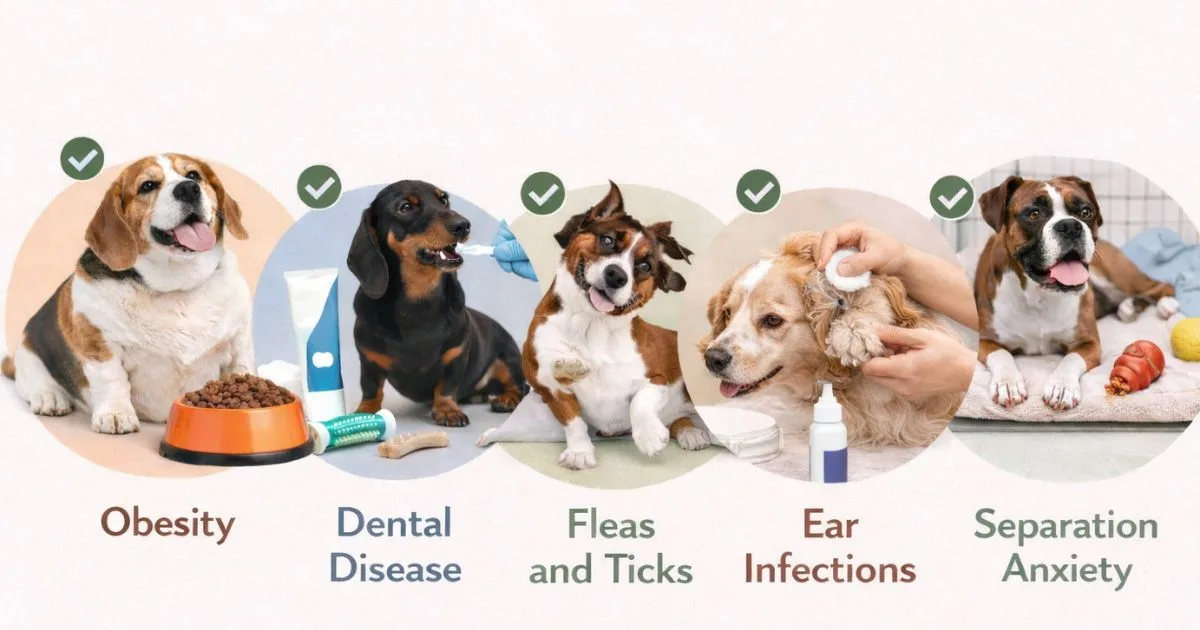
Owning a dog is one of life’s greatest joys, but it also comes with responsibilities—especially when it comes to keeping them healthy. Health problems in dogs can often go unnoticed until they become more serious, which is why prevention is key. Knowing what to watch for and how to take proactive steps can make a world of difference in your dog’s quality of life.
In this article, we’ll cover five common health problems in dogs, providing step-by-step instructions on how to prevent them and actionable advice to keep your dog healthy, happy, and thriving.
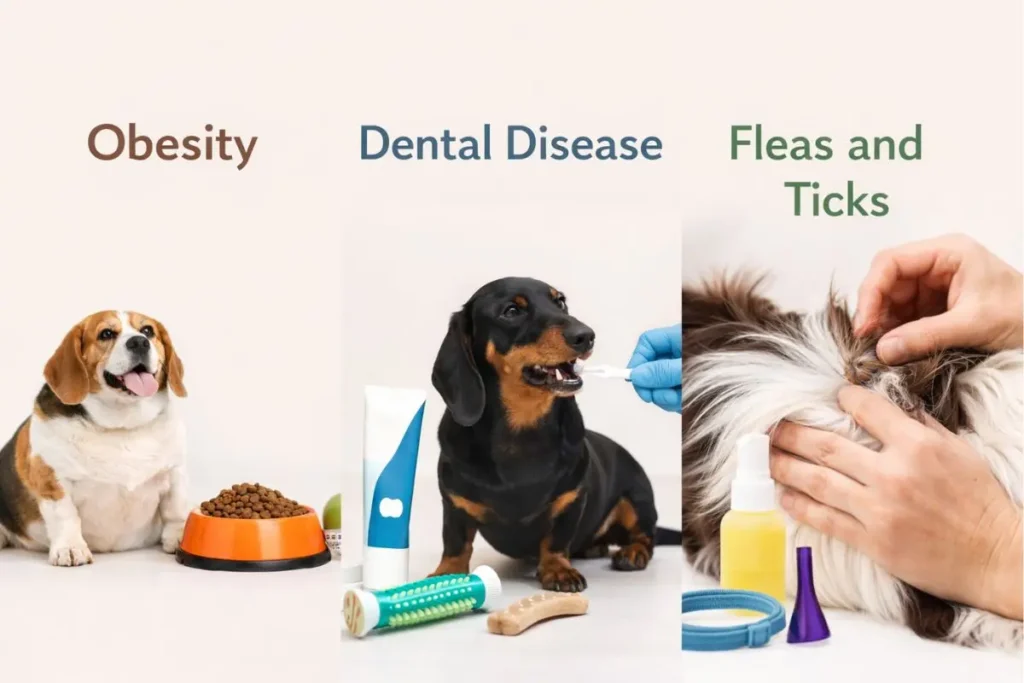
Obesity
What Is It?
Obesity is a growing concern in the canine world. It occurs when a dog has an excessive amount of body fat, typically due to an imbalance between the calories they consume and burn. This condition increases the risk of diabetes, arthritis, heart disease, and even shortened life expectancy.
How to Prevent It:
Portion Control
Ensure that you’re feeding your dog the right amount of food for their size, age, and activity level. Many dog owners unknowingly overfeed, leading to weight gain.
- Measure Food: Use a measuring cup or kitchen scale to measure portions and avoid free-feeding (leaving food out all day).
- Adjust for Activity Level: If your dog is more sedentary, reduce their portion sizes accordingly.
Exercise and Play
Keep your dog moving! Dogs need regular physical activity to stay fit, and the amount will depend on their breed, age, and health status.
- Daily Walks: At least 30 minutes of walking per day is crucial, but active breeds may require more.
- Interactive Play: Games like fetch, tug-of-war, or agility training can provide both physical and mental stimulation.
Healthy Treats
Treats are a great way to reward your dog, but it’s important to offer healthy alternatives to avoid extra calories.
- Healthy Snacks: Instead of fatty treats, try carrots, apples, or low-calorie dog biscuits. These are low in calories but still provide the satisfaction of chewing.
Pro Tip:
Don’t be fooled by “healthy” treats. Many treats marketed as healthy are still packed with calories. Check the ingredients and serving sizes!
Example:
Bella, a 5-year-old Labrador, had been gaining weight due to frequent table scraps. Her owner adjusted her food portions and began a daily walking routine. Within a few months, Bella dropped the extra weight and regained her energy levels.
Dental Disease
What Is It?
Dental issues are common but often overlooked by dog owners. Left untreated, tartar buildup can lead to gum disease, tooth loss, and systemic infections that can affect the heart, kidneys, and liver.
How to Prevent It:
Regular Brushing
One of the most effective ways to prevent dental issues is by brushing your dog’s teeth regularly. This helps remove plaque and prevents tartar buildup.
- Use Dog-Specific Toothpaste: Never use human toothpaste. It contains ingredients that can be harmful to dogs.
- Brushing Routine: Aim to brush your dog’s teeth at least 2–3 times a week. Start slow if your dog is new to brushing—just a few strokes each time.
Dental Chews and Toys
Dental chews help to scrape off tartar and promote oral health. Look for chews that have the Veterinary Oral Health Council (VOHC) seal, indicating they are clinically proven to reduce plaque and tartar.
- Chew Toys: Rubber and nylon toys are beneficial for cleaning teeth while your dog chews.
- Raw Bones: Giving your dog natural bones can help clean teeth, but be sure they are raw (cooked bones can splinter and cause harm).
Professional Cleanings
Even with regular brushing and chews, dogs need professional cleanings from time to time.
- Vet Checkups: Schedule annual dental exams with your vet to check for signs of gum disease and tooth problems.
Common Mistake:
Neglecting dental care until your dog shows signs like bad breath or difficulty eating can result in severe damage. Prevention is far more effective and less expensive than treating dental disease once it’s advanced.
Example:
Charlie, a 3-year-old Dachshund, began to show signs of bad breath and discomfort while eating. After a professional cleaning and regular brushing at home, Charlie’s oral health improved, and his bad breath disappeared.
Fleas and Ticks
What Are They?
Fleas and ticks are external parasites that cause discomfort, itching, and even severe skin conditions. They also transmit diseases such as Lyme disease and heartworm.
How to Prevent Them:
Preventive Medications
Prevention is the best defense. Consult your vet for recommendations on flea and tick prevention, as different products are available depending on your dog’s size, breed, and lifestyle.
- Oral Medications: These are typically given monthly and are highly effective in preventing fleas and ticks.
- Topical Treatments: These are applied to your dog’s skin and can also prevent parasites.
- Collars: Flea and tick collars are a more long-term option that lasts for several months.
Regular Grooming and Inspection
Grooming is essential, especially during flea and tick season. Check your dog’s fur after every outdoor adventure.
- Check for Ticks: Run your fingers through your dog’s fur, feeling for bumps (ticks). Pay extra attention to hidden spots like under the tail, between the paws, and inside the ears.
- Bathe Regularly: Bathing your dog helps remove fleas and ticks, especially if your dog has been outdoors.
Clean Environment
Cleanliness is just as important for preventing fleas and ticks.
- Vacuum Your Home: Regular vacuuming helps remove fleas and eggs from your home environment. Don’t forget to wash your dog’s bedding weekly.
Common Mistake:
Some dog owners believe that flea season ends after summer, but ticks are active year-round, and flea larvae can thrive even in colder months.
Example:
Max, a Golden Retriever, was constantly scratching and biting at his fur. After starting a flea and tick prevention regimen, Max’s skin irritation cleared up, and he stopped scratching.
Ear Infections
What Are They?
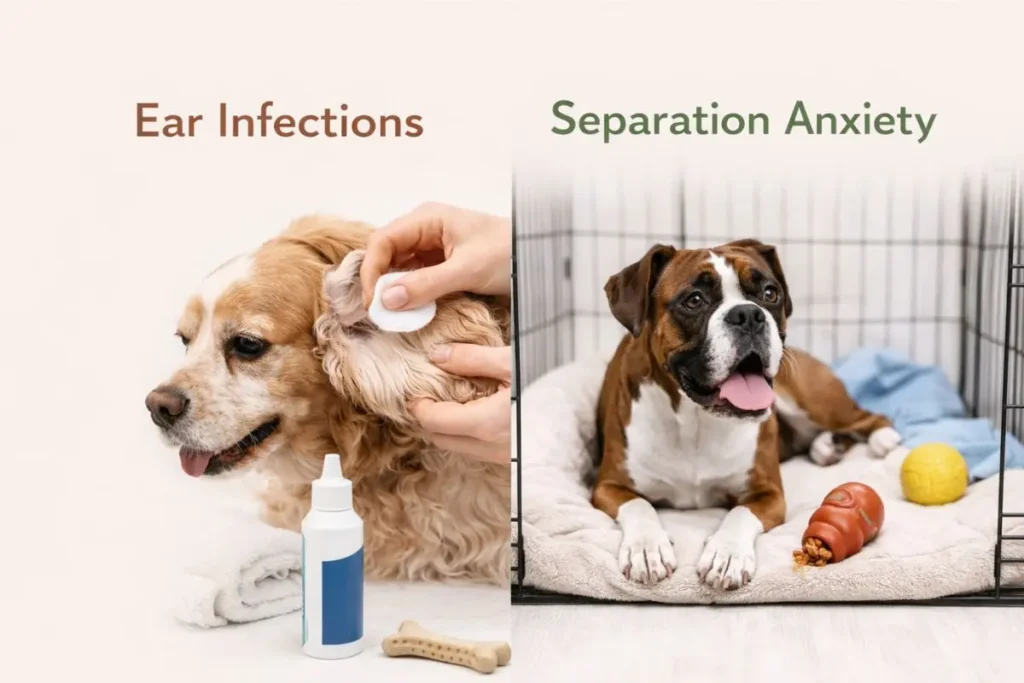
Ear infections are common, especially in dogs with floppy ears. Moisture, bacteria, yeast, or allergies can cause painful inflammation inside the ear canal.
How to Prevent It:
Regular Ear Cleaning
Keep your dog’s ears clean to prevent infections. Use a gentle ear cleaner recommended by your vet, and clean them at least once a week.
- Don’t Over-Clean: Cleaning your dog’s ears too frequently can lead to irritation. Stick to a weekly schedule unless your vet advises otherwise.
Dry Ears After Baths
After swimming or bathing your dog, be sure to dry their ears thoroughly to prevent moisture buildup.
- Use a Towel or Wipe: Gently dry the outer ear flap and the inside of the ear canal.
Watch for Allergies
If your dog suffers from allergies, these can contribute to frequent ear infections.
- Diet Changes: Consider an allergy-friendly diet or consult your vet for other ways to manage allergy-related ear infections.
Pro Tip:
Never insert cotton swabs into your dog’s ear canal. They can push dirt and wax deeper inside, potentially causing more harm than good.
Example:
Rex, a Cocker Spaniel, frequently suffered from ear infections. By regularly cleaning his ears after baths and using a hypoallergenic diet, his ear problems were significantly reduced.
Separation Anxiety
What Is It?
Separation anxiety happens when dogs become excessively anxious when left alone. Symptoms include destructive behavior, excessive barking, and house soiling. It’s a common issue, particularly in dogs with a strong attachment to their owners.
How to Prevent It:
Create a Safe Space
Set up a comfortable space for your dog when you’re away, such as a crate or designated room with their favorite toys and bedding.
- Comfort Items: Include a blanket with your scent to provide comfort.
Gradual Desensitization
Help your dog get used to being alone by practicing short separations. Start with a few minutes and gradually extend the time.
- Training Sessions: Leave your dog alone for increasing periods, and always reward calm behavior when you return.
Mental Stimulation
Provide engaging toys like puzzle feeders to keep your dog entertained while you’re away.
- Kongs: Stuff a Kong with peanut butter or treats to keep your dog busy.
Common Mistake:
Over-pampering a dog with separation anxiety can worsen the issue. Avoid making a big deal out of arrivals and departures to help reduce stress.
Example:
Luna, a 2-year-old Boxer, had separation anxiety. Her owner practiced short separations and gradually extended the time. Luna learned to be calm when left alone, and her anxiety was greatly reduced.