Choosing the right cat breed is an important decision, especially for first-time cat owners. Understanding the most popular cat breeds is crucial because each breed comes with its own distinct cat behavior, health concerns, and care needs. Whether you’re trying to address common issues like scratching furniture, managing indoor cats, or ensuring your cat’s health and nutrition are well taken care of, knowing the specific characteristics of each breed can help you make a more informed choice.
Additionally, some breeds have particular cat behavior quirks, such as excessive vocalization or aloofness, that may require extra attention. Whether you’re focused on cat behavior, cat health, or finding the best fit for your home environment, this guide will give you the knowledge you need. We’ll discuss popular breeds, their potential challenges, and actionable solutions to make your life as a cat owner easier and more enjoyable.
Cat Behavior Issues
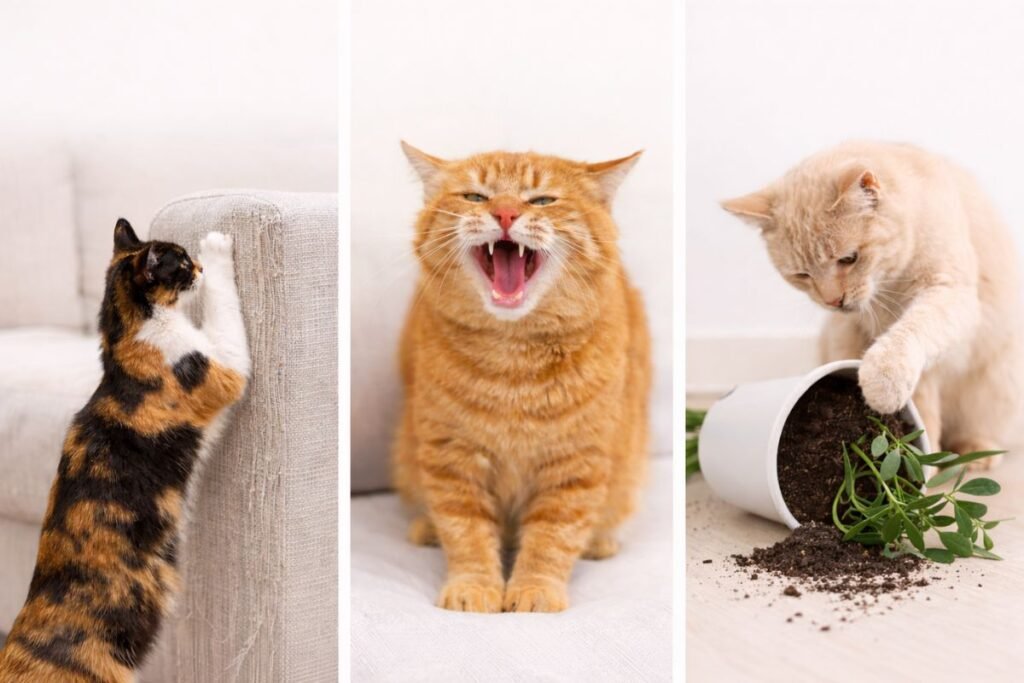
As a new cat owner, behavior problems may arise, whether it’s scratching furniture, not using the litter box, or a shy personality. These issues can cause frustration and confusion, especially when you’re still learning how to best care for your new companion. The key is to understand your cat’s breed and adjust your approach to their specific needs, which will help you solve common problems more effectively.
Unveiling Top Cat Breeds
Let’s explore some of the most popular cat breeds, the potential issues they may have, and actionable tips you can apply today to solve any challenges that may come your way.
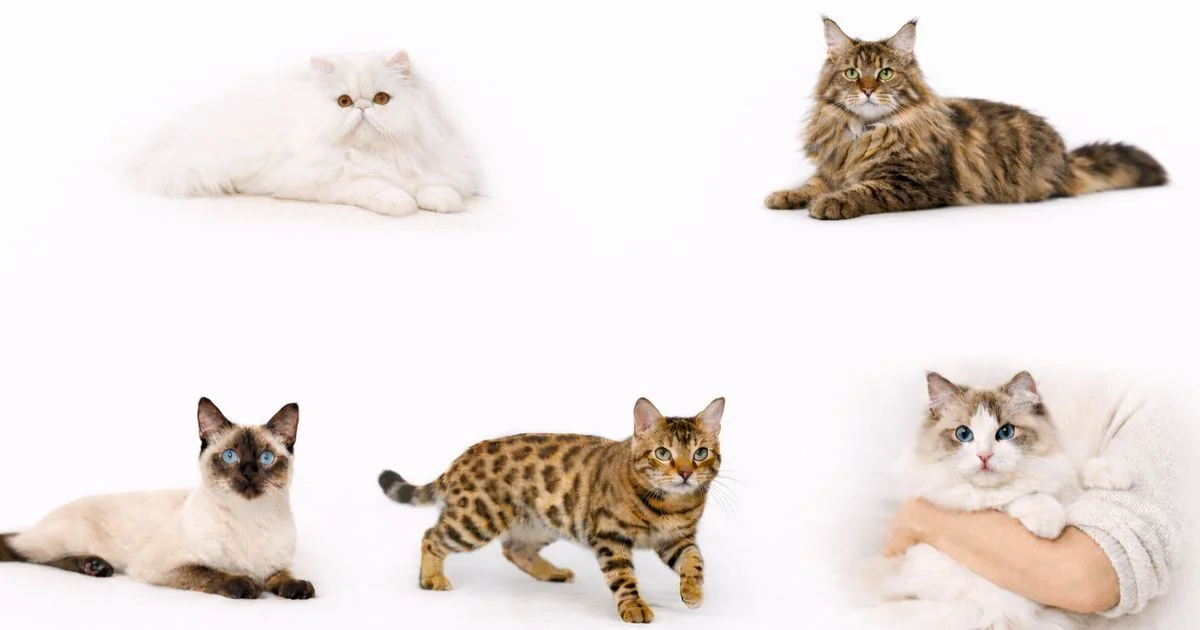
Persian Cats
Known for their long, beautiful coats and calm demeanor, Persians are a beloved breed. They are affectionate, easygoing, and prefer a quiet environment, making them great companions for relaxed households.
Common Issues:
- Grooming: Persian cats have long, dense fur that needs regular grooming to prevent matting. If neglected, their fur can become tangled, leading to discomfort and hairballs.
- Litter Box Preferences: Persians tend to be picky about their litter boxes. They require a clean, quiet, and private space to do their business.
Maine Coon Cats
Maine Coons are one of the largest domesticated cat breeds. They are friendly, sociable, and intelligent. Their large size and bushy tails make them an eye-catching breed, but their temperament is even more impressive.
Common Issues:
- Overeating: Maine Coons love food and can easily overeat, leading to obesity. This breed requires a balanced diet and controlled portions.
- Dental Health: Maine Coons are prone to dental problems, so regular teeth cleaning is essential.
Siamese Cats
Siamese cats are known for their striking blue eyes and sleek bodies. They are vocal, affectionate, and demand attention. Siamese cats form strong bonds with their owners and prefer companionship.
Common Issues:
- Excessive Vocalization: Siamese cats are known for being quite talkative, which can sometimes be overwhelming.
- Separation Anxiety: Siamese cats don’t like being alone and can become anxious or destructive if left for long periods.
Ragdoll Cats
Ragdolls are affectionate, docile cats that love to be held. They go limp when picked up, earning them their name. Their calm and laid-back nature makes them perfect companions for families or individuals who enjoy cuddling with their cats.
Common Issues:
- Weight Gain: Ragdolls tend to be less active and can easily become overweight without proper exercise.
- Shyness: Ragdolls may take a while to warm up to new people or environments.
Bengal Cats
Bengal cats are active, playful, and known for their stunning leopard-like spots. They are highly intelligent and require a lot of stimulation, so they are best suited for owners who can provide plenty of playtime.
Common Issues:
- High Energy: Bengals are energetic and need constant stimulation to avoid becoming bored and destructive.
- Climbing and Scratching: Bengals have a natural instinct to climb and scratch, which can lead to damage if not properly managed.
Solving Cat Behavior Problems
Behavioral problems, such as scratching furniture or litter box issues, are common for all cat owners, but they can be resolved with some simple strategies.
Preventing Scratching
- Provide Scratching Posts: Cats need a place to scratch, so provide tall scratching posts or pads. Place them in areas where your cat likes to scratch, such as near furniture or windows.
- Use Deterrents: Try using double-sided tape on furniture or natural sprays designed to deter scratching. These help cats understand where they should and shouldn’t scratch.
Litter Box Problems
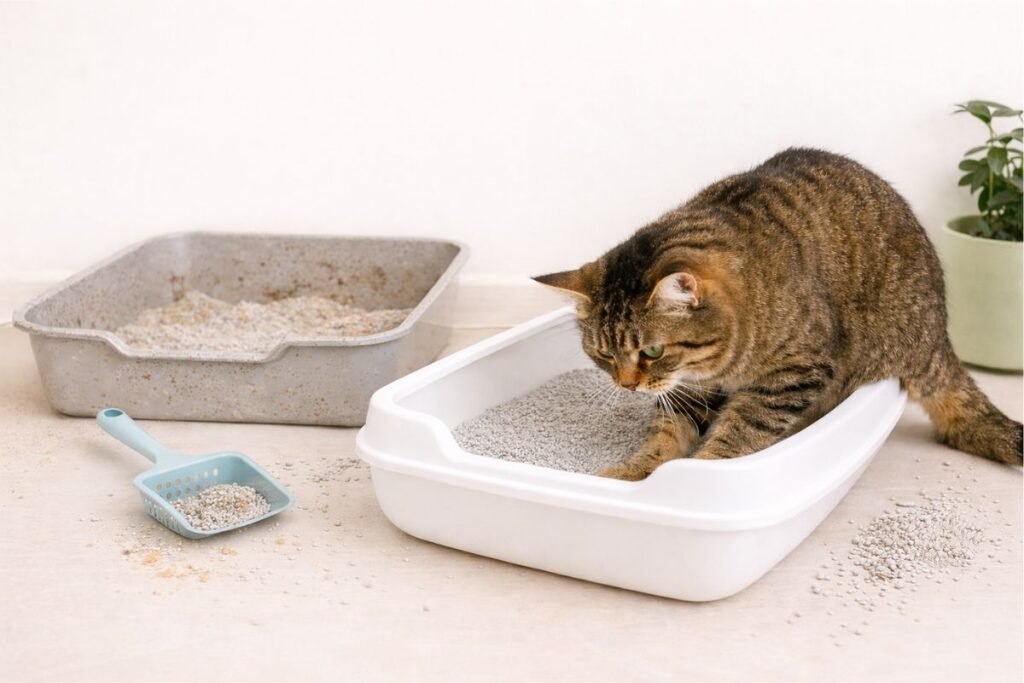
- Keep It Clean: Cats are extremely particular about their litter boxes. Clean it daily to ensure they’ll continue using it.
- Try Different Litter Types: Some cats have preferences when it comes to litter. If your cat refuses to use the litter box, experiment with different types (clumping, non-clumping, or natural litters) to find what works best for them.
Shyness or Separation Anxiety
- Create Safe Spaces: Provide a quiet corner or space where your cat can retreat to if they’re feeling overwhelmed.
- Be Patient: Don’t rush your cat’s adjustment to new experiences or people. Let them come to you at their own pace.
Key Takeaways
Choosing the right cat breed is just the first step in ensuring your feline friend thrives in your home. By understanding your cat’s breed-specific traits, you can address potential issues before they arise. Here’s what you need to remember:
- Different breeds have varying grooming and exercise needs.
- Litter box and scratching problems can often be solved with the right environment and training.
- Always be patient and allow your cat to adjust to new situations at their own pace.